Proven Ways to Preserve Food and Reduce Waste
The Comprehensive Guide to Food Preservation: Techniques and Best Practices
Food preservation is the ancient yet evolving science of extending the shelf life of food by preventing the growth of microorganisms, slowing oxidation, and inhibiting enzymatic degradation. By controlling environmental factors such as temperature, moisture, acidity, and oxygen levels, humans have successfully stored harvests to ensure food security throughout the year.
Core Methods of Food Preservation
1. Thermal Processing
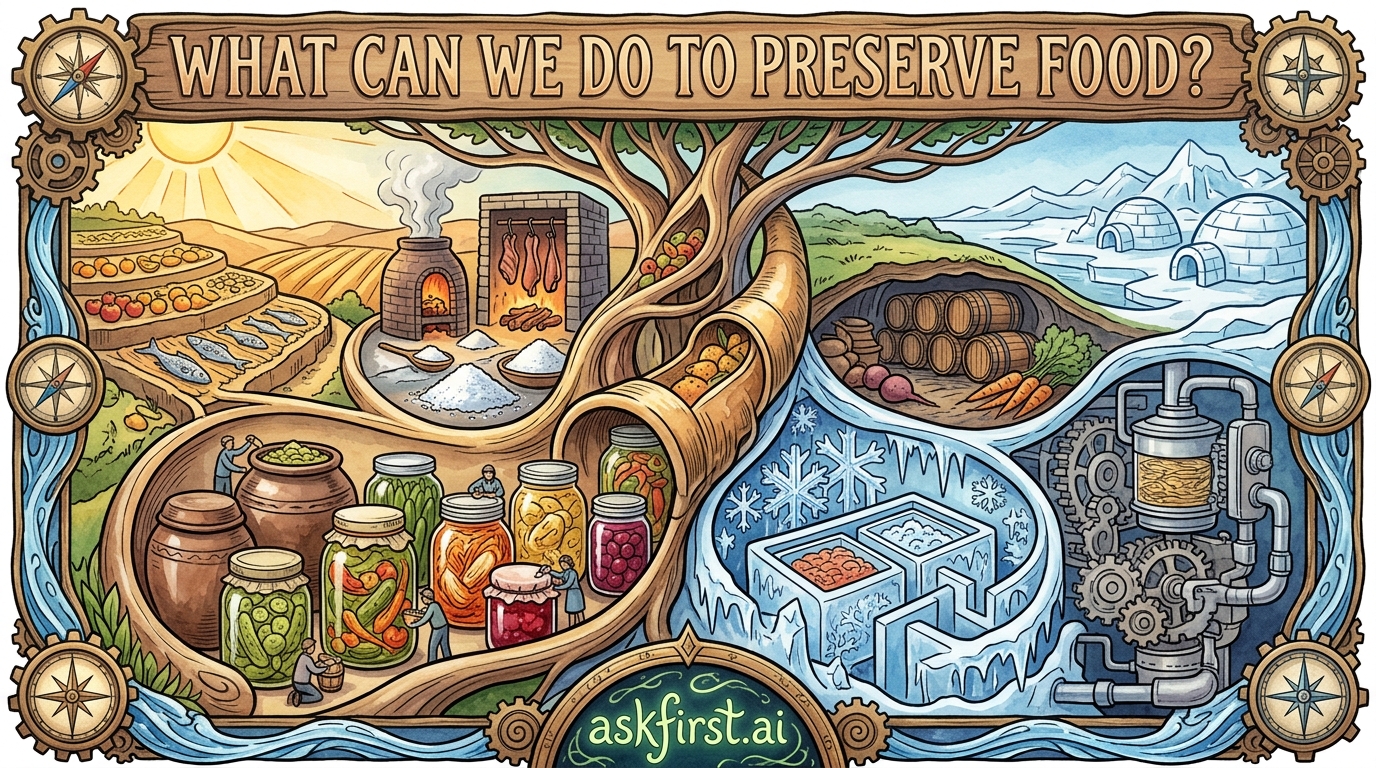
- Canning: This involves sealing food in airtight containers and heating it to temperatures that destroy microorganisms and inactivate enzymes. It is effective for long-term storage but requires precise pressure and temperature monitoring to prevent Clostridium botulinum spores.
- Pasteurization: Used primarily for liquids like milk and juice, this process involves heating the product to a specific temperature for a set time to reduce the number of viable pathogens.
2. Dehydration and Drying
Drying removes water, which is essential for microbial life.
- Sun Drying: The oldest method, suitable for fruits and grains in arid climates.
- Dehydrators: Modern electric units provide consistent airflow and heat, ideal for vegetables, jerky, and herbs.
- Freeze-Drying (Lyophilization): A sophisticated process where food is frozen and then placed in a vacuum, causing ice to sublimate directly into vapor. This retains the highest nutritional value and flavor.
3. Fermentation and Pickling
- Fermentation: Encourages the growth of beneficial bacteria (like Lactobacillus) which produce lactic acid, effectively lowering the pH and preventing spoilage. Examples include sauerkraut, kimchi, and yogurt.
- Pickling: Submerging food in an acidic medium (vinegar or brine) to create an environment where spoilage organisms cannot survive.
4. Temperature Control
- Refrigeration: Slows down chemical reactions and microbial growth by keeping temperatures below 40°F (4°C).
- Freezing: Stops microbial growth entirely by turning water into ice, though it does not kill all bacteria. It is the gold standard for preserving texture and nutrient density in raw produce and meats.
Practical Guide: How to Begin Preserving at Home
To start preserving food safely, follow these steps:
- Sanitize: Always use sterilized jars and equipment to prevent cross-contamination.
- Select Quality: Use only fresh, unbruised produce. Preservation does not improve the quality of spoiled food.
- Follow Recipes: Especially for canning, use research-based recipes (like those from the USDA or the National Center for Home Food Preservation) to ensure safety.
- Labeling: Always mark jars with the contents and the date of preservation.
Pros, Cons, and Future Trends
Pros:
- Reduced Waste: Extends the utility of surplus harvests.
- Cost Efficiency: Buying in bulk during peak seasons saves money.
- Nutrient Retention: Properly preserved food can be as nutritious as fresh counterparts.
Cons:
- Safety Risks: Improper canning can lead to botulism.
- Energy Consumption: Some methods (freezing/dehydrators) require continuous power.
Future Trends:
Technological advancements are moving toward High-Pressure Processing (HPP), which uses extreme pressure rather than heat to kill bacteria, and Active Packaging, which uses materials that actively scavenge oxygen or release antimicrobial agents to preserve freshness. As global food security becomes more critical, these shelf-stable, nutrient-dense technologies will play an increasingly vital role in sustainable food systems.