The Real Reason Programmers Date Other Coders
The Algorithmic Romance: Why Coders Seek Compatibility In Code
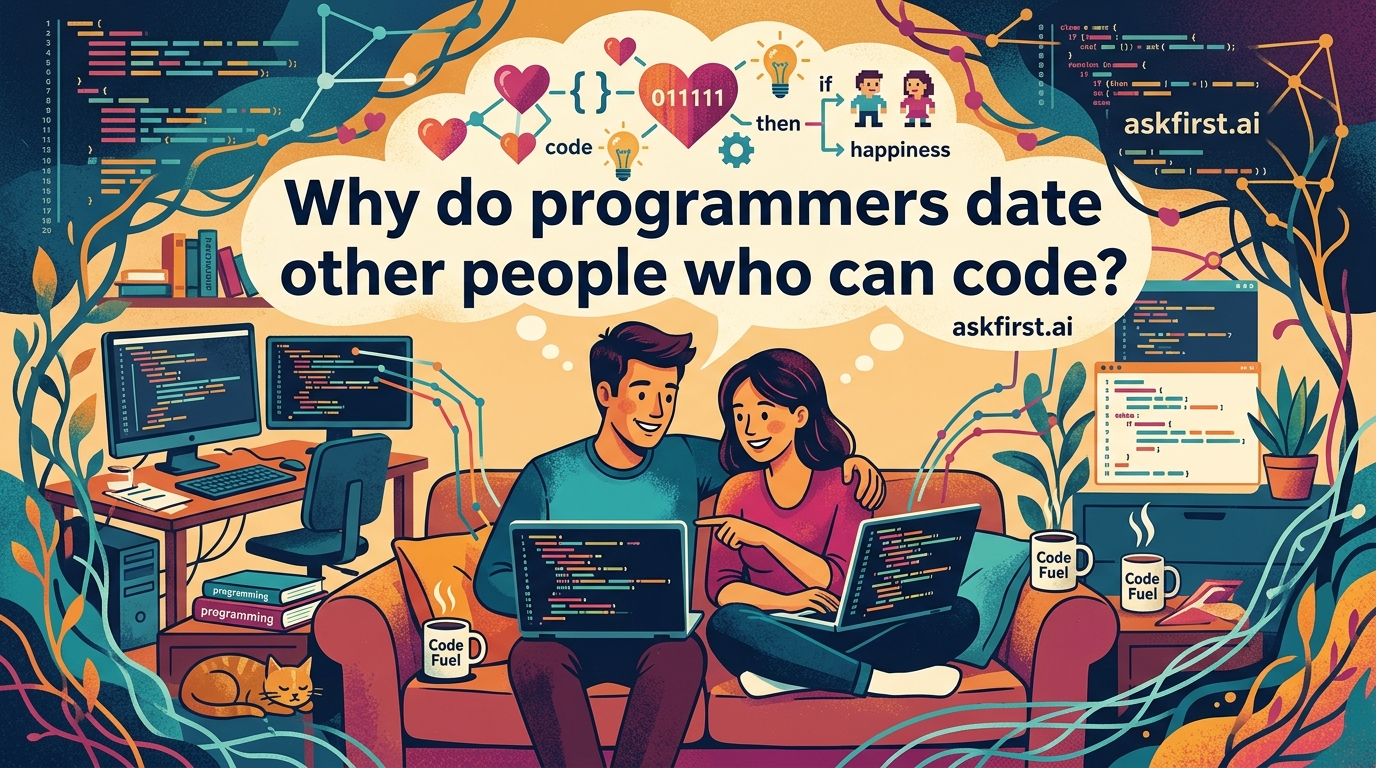
There is a persistent fascination with why individuals embedded in the world of software development often gravitate toward partners with similar technical skill sets. While common cultural tropes suggest this is merely a case of finding someone who understands the "language," the reality involves complex psychological, linguistic, and lifestyle alignment.
The Linguistic Shortcut: Shared Mental Models
Communication is the cornerstone of any lasting partnership. For programmers, code is not just a job; it is a way of processing the world. When two people share the ability to code, they possess a common framework for problem-solving. This creates a high-bandwidth communication channel. When one partner expresses frustration about a "nested dependency hell" or an "illogical UI requirement," the other understands the emotional and intellectual weight behind those concepts immediately. This eliminates the "translator phase" required when explaining technical stressors to a non-technical partner, leading to faster emotional regulation and support.
Lifestyle Synchronicity and Cognitive Demands
Software development is a cognitively expensive profession requiring high states of "flow." This state often necessitates long, uninterrupted blocks of deep work. Partners who also code instinctively understand the biology of this focus. They are less likely to perceive a partner’s need for solitary screen time as a lack of affection or neglect, but rather as an essential component of their professional survival. This mutual understanding prevents conflict over working hours, remote-work habits, or the tendency to debug problems mentally during dinner conversations.
Intellectual Stimulation and Mutual Growth
Relationships thrive on shared interests that allow for growth. In the tech world, technologies evolve rapidly, and staying competitive requires constant learning. A household containing two developers becomes a private laboratory of innovation. They exchange best practices, review side projects, and discuss architectural philosophy. This creates a dynamic of "peer-mentorship" that strengthens the bond. According to psychological theories regarding assortative mating—the tendency for people to choose partners with similar traits—this shared intellectual curiosity serves as a powerful glue that maintains excitement and novelty within the relationship.
Busting the Myth: It Is Not Just About the Code
It is vital to clarify that the magnetism is not purely professional. It is about the shared temperament. Developing software requires patience, logical deduction, and the ability to embrace failure during the debugging process. When two people share this specific set of values—the belief that any problem is solvable with enough effort and logic—it creates a stable foundation for navigating the broader, non-technical challenges of life. Whether managing household finances or planning travel, these couples often apply the same analytical rigor, leading to efficient, cooperative outcomes that define the partnership's unique success and longevity.