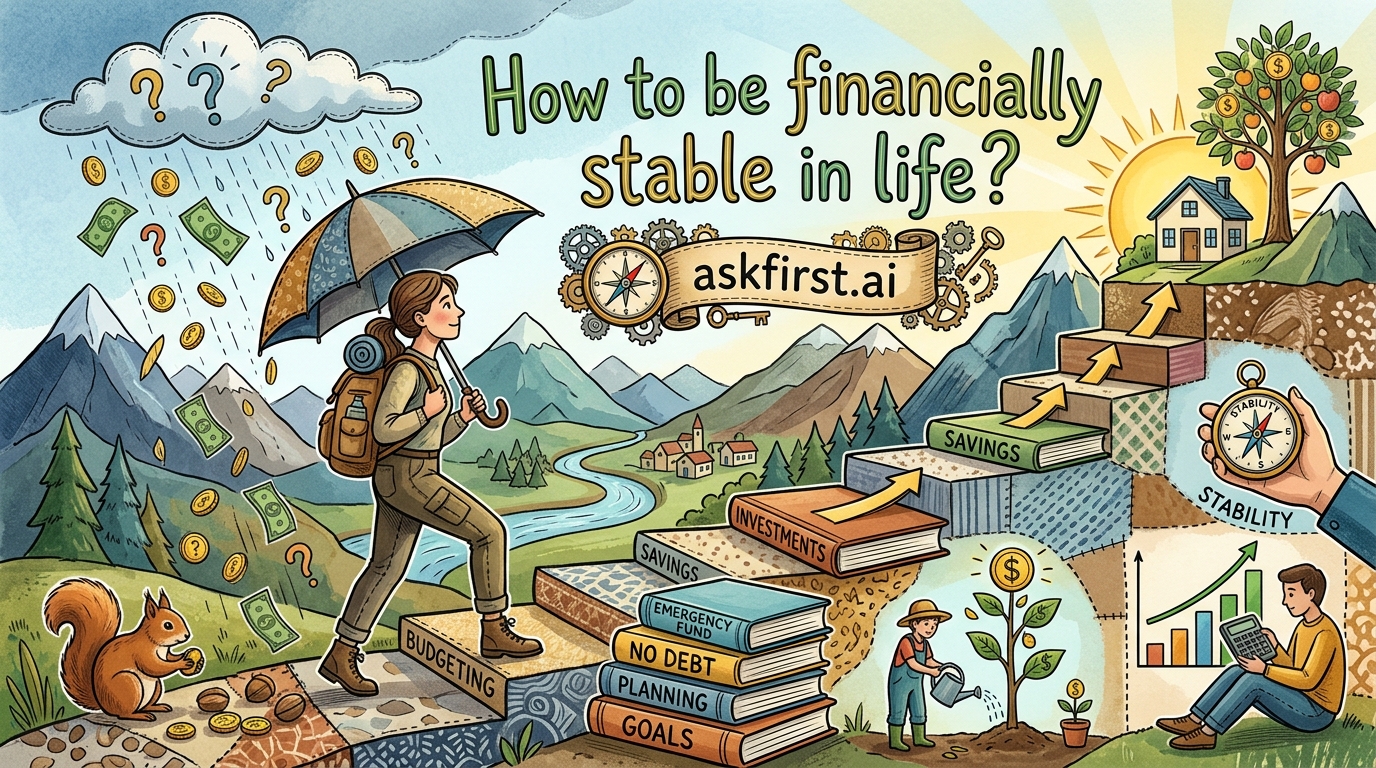
Master Your Financial Future: A Comprehensive Guide to Achieving Lasting Stability
Financial stability is not merely the accumulation of wealth; it is the state of having sufficient income, manageable debt, and strategic savings to meet current needs and future goals without undue stress. Achieving this requires a disciplined blend of psychological shifts, rigorous accounting, and long-term investment strategies.
The Foundation: Budgeting and Cash Flow
The cornerstone of financial health is the "50/30/20 Rule." This framework suggests allocating 50% of your net income to needs (housing, utilities, groceries), 30% to wants (entertainment, dining out), and 20% to savings and debt repayment.
- Track Every Cent: Utilize apps like YNAB (You Need A Budget) or simple spreadsheets to categorize spending. Awareness is the first step toward control.
- The Emergency Fund: Before investing, establish a liquid reserve covering 3–6 months of essential living expenses. This acts as a buffer against job loss, medical emergencies, or unexpected repairs.
- Debt Management: Prioritize high-interest debt (typically credit cards). Use the Debt Avalanche method—paying off debts with the highest interest rates first—to minimize the total interest paid over time.
Wealth Accumulation Strategies
Once stability is established, the transition from "surviving" to "thriving" begins through asset growth.
- Compound Interest: Albert Einstein famously called this the "eighth wonder of the world." By investing early, even modest sums grow exponentially over decades.
- Diversified Investing: Avoid the mistake of putting all your capital into one asset class. A balanced portfolio includes stocks (equities), bonds (fixed income), and real estate. Low-cost index funds or ETFs are generally recommended for long-term growth due to their low fees and broad market exposure.
- Retirement Accounts: Maximize contributions to tax-advantaged accounts (such as 401(k)s or IRAs in the United States). These vehicles offer tax deductions or tax-free growth, significantly enhancing your net worth over time.
Pros and Cons of Financial Independence
| Pros | Cons |
|---|---|
| Reduced stress and anxiety | Requires long-term sacrifice |
| Freedom to pursue career passions | Susceptibility to market volatility |
| Ability to handle life’s "curveballs" | Risk of lifestyle inflation |
Avoiding Pitfalls: Lifestyle Inflation
A common barrier to stability is lifestyle inflation—the tendency to increase spending as your income rises. To maintain stability, keep your living expenses relatively flat even as your salary grows. Redirect the "surplus" into investments.
Future Trends and Modern Considerations
The modern financial landscape is shifting toward "Financial Independence, Retire Early" (FIRE) movements, where individuals aim to save 50–75% of their income to achieve early retirement. Additionally, the rise of digital assets and automated robo-advisors has democratized wealth management. However, staying financially stable in 2026 requires vigilance against cybersecurity threats and the necessity of continuous skill acquisition in an AI-driven job market.
Final Guidance
Financial stability is a marathon, not a sprint. Consistency beats intensity. By automating your savings, living below your means, and viewing your money as a tool for freedom rather than a vehicle for consumption, you secure your future against the uncertainties of the global economy. Begin today by auditing your current expenses and setting one actionable savings goal.