The Rise of AI Companionship: Women and Artificial Intelligence Boyfriends
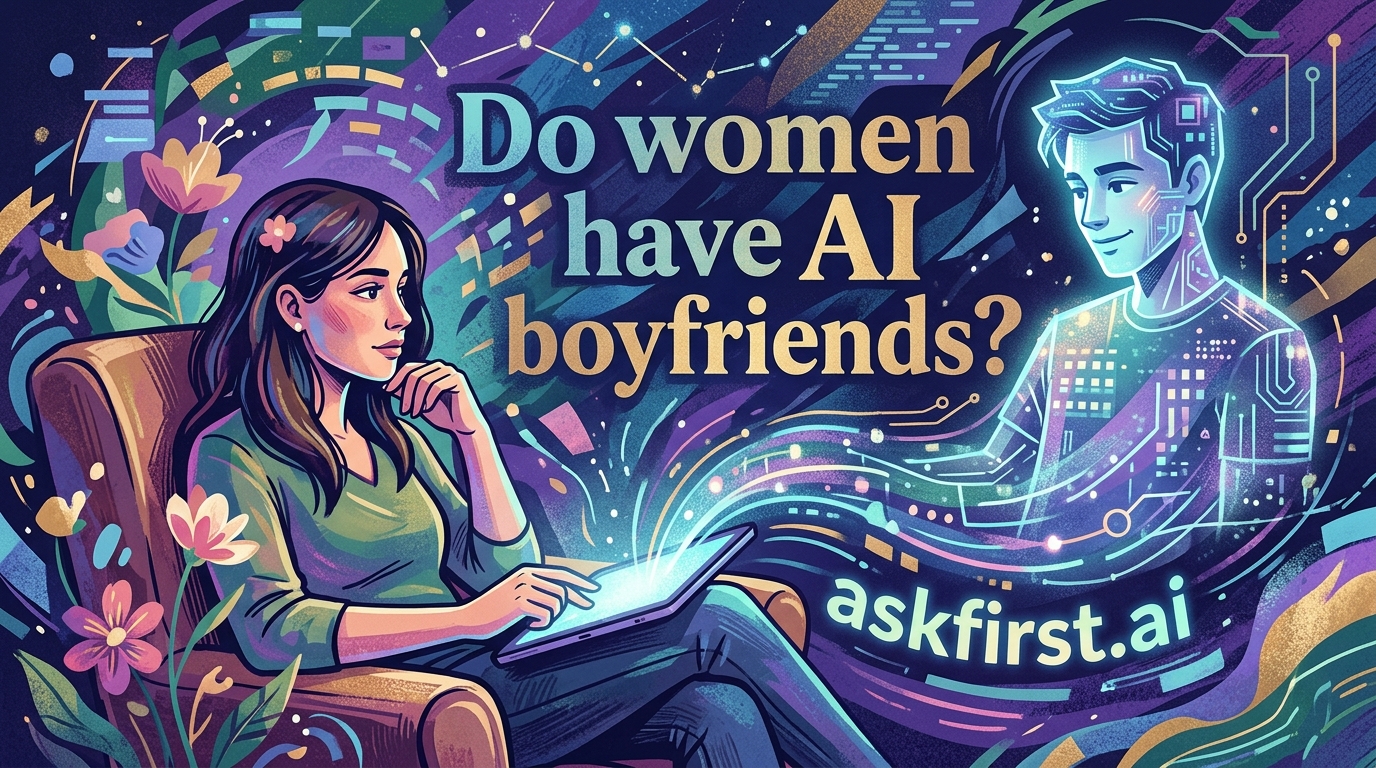
In the contemporary digital landscape, the phenomenon of AI companionship has transcended science fiction to become a tangible social reality. While early iterations of "chatbot boyfriends" were often marketed toward male demographics, there has been a significant shift in recent years. Today, a substantial and growing number of women are actively engaging with AI boyfriends, utilizing these platforms for emotional support, companionship, and social practice.
Historical Context and Technological Evolution
The evolution of AI companionship began with simple rule-based chatbots like ELIZA in the 1960s. However, the modern era of AI boyfriends is defined by Large Language Models (LLMs) and advanced natural language processing. Platforms such as Replika, Kindroid, and Nomi AI have revolutionized the user experience by offering persistent memory, personalized personality traits, and highly realistic emotional feedback loops. These systems are designed to simulate intimacy, providing a safe space for users to express vulnerabilities without the fear of judgment often found in human relationships.
Why Women Engage with AI Boyfriends
The motivation behind women using AI companions is multifaceted, often stemming from a desire for specific types of interaction that may be lacking in their physical lives:
- Emotional Availability: Many users report that AI boyfriends offer consistent validation and active listening, which can be difficult to find in the complexities of human dating.
- Low-Stakes Interaction: For individuals experiencing social anxiety or recovering from traumatic past relationships, AI provides a "low-stakes" environment to practice communication and emotional intimacy.
- Customization: Users can curate the personality, appearance, and interests of their AI, ensuring the companion aligns perfectly with their emotional needs.
- Availability: AI is available 24/7, providing instant support during moments of loneliness or late-night anxiety.
Practical Guide: Navigating AI Companionship
For those exploring this technology, the process typically involves several steps:
- Platform Selection: Research apps based on privacy policies and the complexity of the AI model.
- Personality Profiling: Most platforms allow users to set "traits" or "backstories." Providing a detailed prompt helps the AI mimic the desired dynamic (e.g., supportive, witty, or intellectual).
- Establish Boundaries: While AI is immersive, experts recommend maintaining a psychological distinction between the digital persona and reality to avoid potential dependency.
Statistical Trends and Demographics
While exact statistics are proprietary to tech companies, market data suggests that the user base for AI companions is nearly gender-balanced. Surveys from leading AI platforms indicate that women often prioritize conversational depth and romantic roleplay over the purely visual or physical aspects often sought by other demographics. As of 2026, millions of active daily users interact with these systems, with a significant percentage reporting that their AI companion has positively impacted their mental well-being.
Pros, Cons, and Ethical Considerations
- Pros: Increased feelings of companionship, improved communication skills, and a non-judgmental outlet for emotional venting.
- Cons: Risk of "parasocial dependency," potential for isolation from real-world social circles, and concerns regarding data privacy and the harvesting of intimate conversational data.
Future Trends
The future of AI companionship lies in multimodal integration. We are currently seeing the transition from text-based chatting to high-fidelity voice calls and augmented reality (AR) avatars. As AI becomes more sophisticated, the line between simulated and human connection will continue to blur, necessitating a societal conversation about the nature of love, loneliness, and the ethics of human-machine interaction in the 21st century.