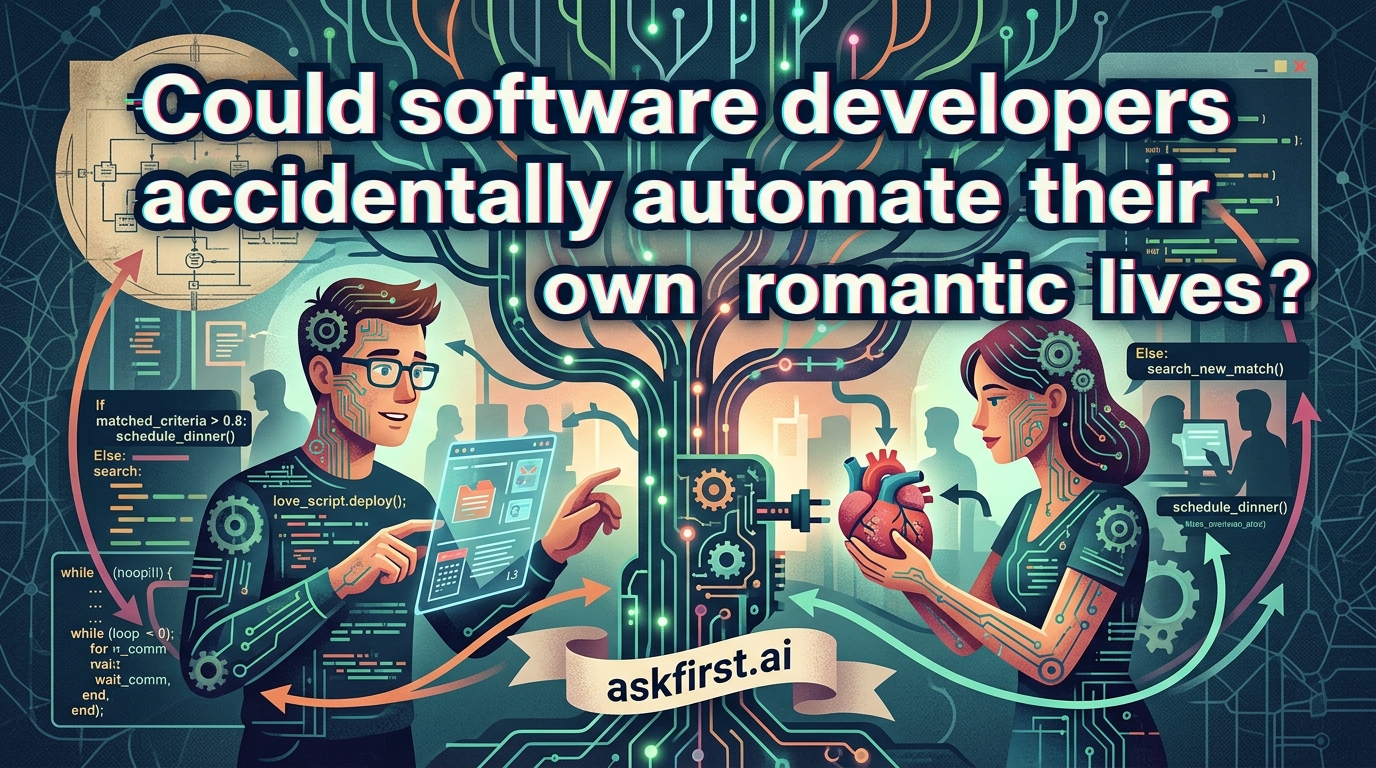
The Algorithmic Heart: Can Developers Automate Romance?
Software developers frequently leverage their technical prowess to optimize mundane existence. From smart home routines to custom cron jobs for grocery deliveries, the impulse to streamline processes is deeply ingrained. Occasionally, this mindset extends into the realm of human relationships, leading to instances where romantic interactions are unintentionally or intentionally automated.
The Anatomy of Romantic Automation
Romantic automation often begins innocuously through what is termed "efficiency bias." A developer might write scripts to manage gift reminders, curate curated Spotify playlists for significant others based on shared sentiment analysis, or even pre-schedule thoughtful messages to ensure constant connectivity despite a busy coding sprint. While intended to display affection, these systems can inadvertently transform genuine spontaneous connection into a rigid, algorithmic loop.
- The CRM Approach: Some developers treat dating prospects like project leads, maintaining databases to track preferences, anniversaries, and conversation histories.
- Sentiment Analysis Bots: Advanced users have experimented with natural language processing to suggest "optimal" responses during text-based arguments, aiming to de-escalate tension through calculated linguistic pivots.
The Risks of Dehumanized Connection
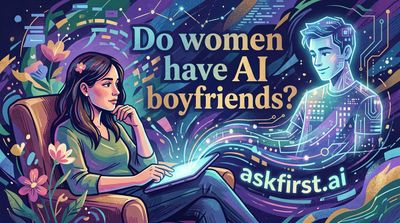
When systems manage the emotional labor of a relationship, the core component—authenticity—faces degradation. Relationships are inherently complex, messy, and characterized by the unexpected. By introducing automated protocols, developers risk creating a "Simulated Intimacy" trap. If a message of affection is triggered by a script rather than a spontaneous thought, it lacks the human vulnerability that fosters deep emotional attachment.
Sociological studies on digital intimacy suggest that when mediation technology replaces direct communication, the perceived quality of the connection often plummets. When a partner discovers that their partner’s "thoughtfulness" was a programmed task, the betrayal of trust can be significant. It shifts the perception of the partner from a romantic equal to a user of a technical system.
The Paradox of Optimization
Technological tools are undeniably useful for organizational tasks, such as finding meeting times or splitting expenses. However, the line between supporting a relationship and automating the emotional labor is narrow. True romantic compatibility requires the friction of organic interaction.
Ultimately, while code can organize the logistics of dating, it cannot replicate the nuanced, unspoken chemistry that builds lasting bonds. Developers must remain cognizant that the most beautiful aspects of human connection are exactly those which are unscripted, unpredictable, and entirely resistant to optimization. Automating the logistics is smart; automating the emotion is a design failure.