Professional Gel Hairstyling: Tools, Techniques, and Products
Hairdressers utilize a sophisticated array of products and tools to achieve the sculpted, high-hold, or wet-look aesthetics associated with gel hairstyles. While consumer-grade gels are widely available, professional-grade styling agents offer superior polymers, higher concentrations of humectants, and better structural integrity for complex designs.
1. The Chemistry of Professional Styling Gels
Professional hairstylists select gels based on the polymeric structure of the product. Most high-end gels use copolymers like PVP/VA (polyvinylpyrrolidone/vinyl acetate) to create a film that binds hair strands together without excessive flaking.
- Alcohol-Free Formulas: Professionals prioritize alcohol-free gels to prevent cuticle dehydration, brittle texture, and scalp irritation.
- Hold Levels: Gels are categorized by hold factor (1–10). For editorial or bridal work, stylists often use "extra-firm" hold gels that offer resistance to humidity and gravity.
- Water-Solubility: A critical requirement for professionals is that the product must be easily rinsed out, preventing long-term product buildup that causes dullness.
2. Essential Tools for Gel Application
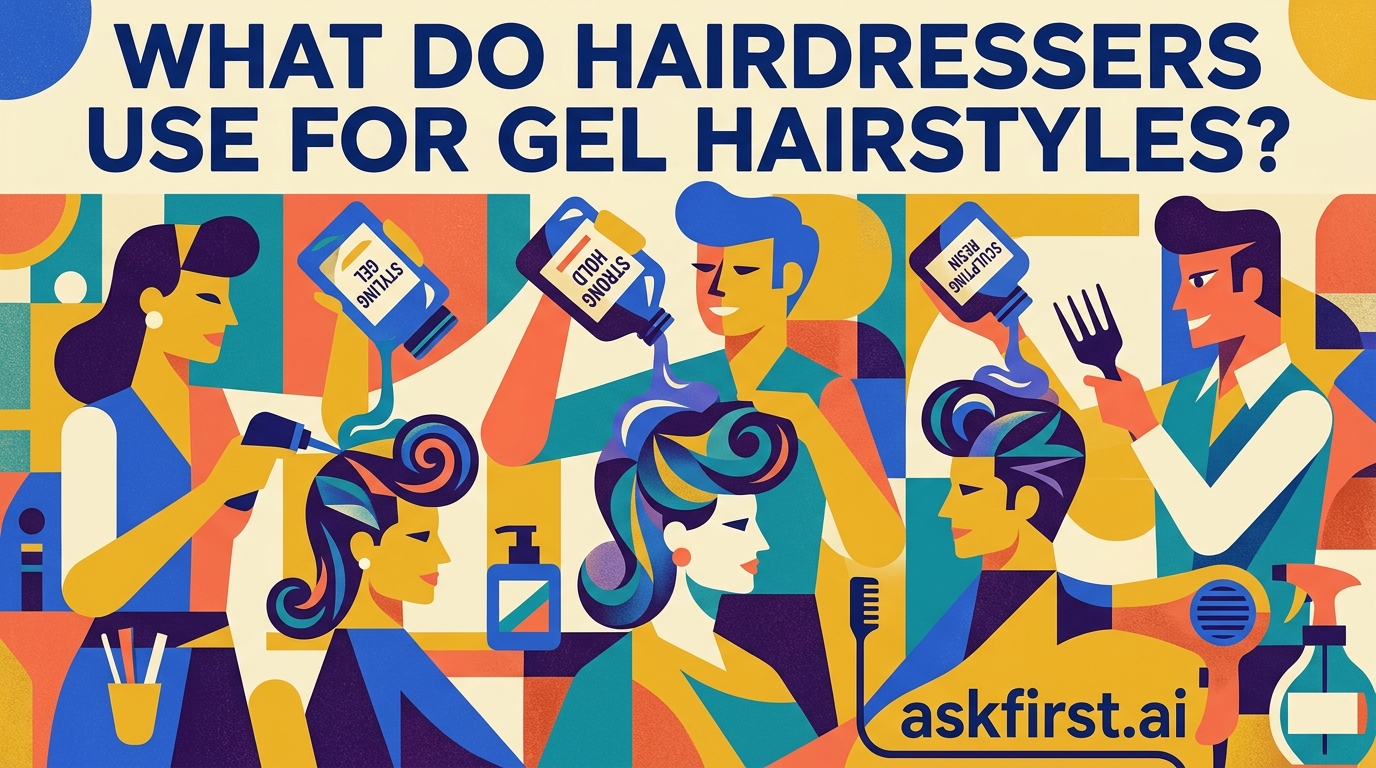
Applying gel is not merely about manual distribution; it requires precision tools to achieve specific textures:
- Tail Combs (Rat-tail combs): Essential for creating sharp, clean parts and perfectly slicked-back sections. The fine teeth allow for the distribution of gel from root to tip.
- Boar Bristle Brushes: Used to smooth the cuticle while the gel is still wet. The natural bristles help distribute the product evenly, preventing "clumping" and ensuring a seamless, mirror-like finish.
- Diffusers and Hooded Dryers: When styling curly hair with gel (the "crunch" method), stylists use a diffuser on low heat to set the gel cast without disrupting the curl pattern.
- Spray Bottles: Professionals often mist the hair with water before applying gel to improve "slip," allowing the product to glide through the hair more effectively.
3. Professional Application Techniques
To achieve a professional finish, stylists follow a rigorous procedural workflow:
- Step 1: Preparation: Hair is typically dampened to allow for better saturation. If the hair is dry, the gel may become tacky too quickly, leading to uneven distribution.
- Step 2: Sectioning: The hair is divided into quadrants. This ensures that the gel is applied to the roots—where control is most needed—rather than just the surface.
- Step 3: Emulsification: The stylist rubs the gel between their palms before application. This warms the product, making it less viscous and easier to work into the fibers.
- Step 4: Sculpting: Using the tail comb, the stylist smoothes the hair into the desired shape. If creating a "wet look," the hair is left to air-dry or set under a hooded dryer to lock in the shine.
4. Pros and Cons of Professional Gel Use
Pros:
- Unrivaled Control: Essential for intricate updos and architectural styles.
- Longevity: Professional gels can maintain style integrity for 24+ hours.
- Versatility: Can be used on all hair textures, from fine, straight hair to coarse, coiled hair.
Cons:
- Build-up: Over-application can lead to flaking.
- Drying Effects: If not properly formulated, gels can leave hair feeling brittle.
5. Future Trends: The Rise of "Clean" Gels
The industry is currently shifting toward botanical-based styling polymers. Modern professional gels are increasingly integrating ingredients like aloe vera, flaxseed extract, and hydrolyzed silk proteins. These additives provide hold while simultaneously conditioning the hair, bridging the gap between styling and hair health.