The Rise of Pre-Marital Counseling: A Comprehensive Analysis
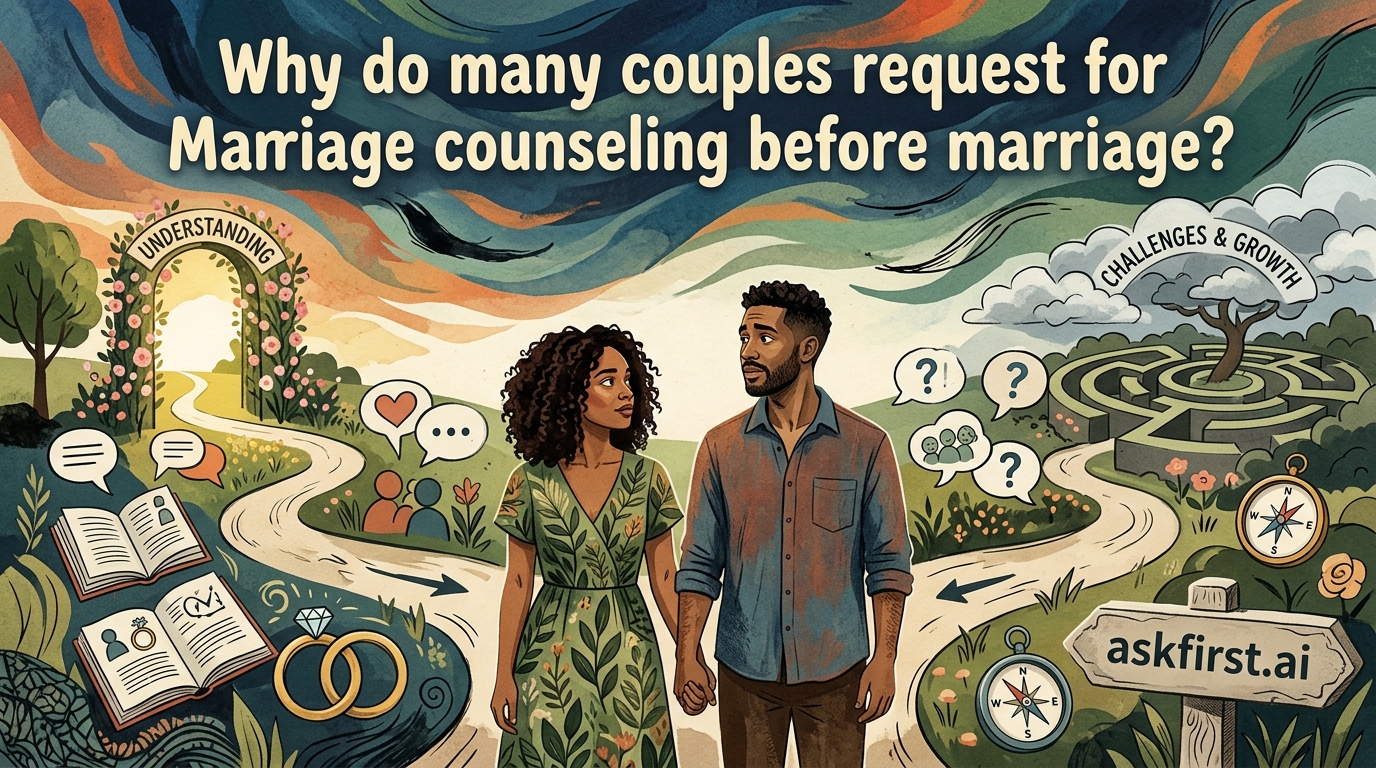
Pre-marital counseling, often referred to as "pre-cana" in religious contexts or relationship coaching in secular settings, has shifted from a niche tradition to a mainstream preventative health measure for romantic partnerships. Today, an increasing number of couples are choosing to engage in structured guidance before their wedding day to solidify their foundation and mitigate future conflicts.
The Rationale Behind Pre-Marital Preparation
Couples seek counseling primarily to transition from the "infatuation phase" of a relationship to a pragmatic, long-term partnership. The core objective is to align expectations regarding the life-altering commitments inherent in marriage.
1. Alignment of Core Values and Life Goals
Many conflicts arise post-marriage due to unspoken assumptions. Counseling provides a neutral space to discuss:
- Financial Philosophies: Debts, spending habits, and whether to maintain joint or separate accounts.
- Family Planning: If, when, and how many children to have, and the expected styles of parenting.
- Career Trajectories: How to balance professional ambitions with domestic responsibilities.
- Extended Family Boundaries: Establishing healthy distance and expectations regarding in-laws and holidays.
2. Conflict Resolution and Communication Skills
The most cited reason for divorce is not a lack of love, but a breakdown in communication. Therapists teach evidence-based techniques, such as the Gottman Method, which focuses on:
- Softened Start-ups: Bringing up grievances without immediate hostility.
- Repair Attempts: De-escalating arguments before they reach a point of no return.
- Active Listening: Ensuring both partners feel heard and understood rather than just defended.
Historical Context and Evolution
Historically, pre-marital counseling was almost exclusively the domain of religious institutions. Priests, rabbis, and ministers mandated sessions to ensure couples understood the theological significance of marriage. In the late 20th century, the secularization of marriage led to the rise of licensed marriage and family therapists (LMFTs) filling this void. Modern programs like PREPARE/ENRICH utilize standardized assessments to identify a couple’s specific strengths and growth areas, providing data-driven insights that traditional counseling lacked.
Pros and Cons: A Balanced View
| Pros | Cons |
|---|---|
| Increased Stability: Studies suggest couples who undergo counseling report higher levels of marital satisfaction. | Financial Cost: Private therapy can be expensive and is often not covered by health insurance. |
| Early Warning Systems: Identifies "red flags" or deal-breakers before the legal commitment is made. | Vulnerability Stress: For some, the intensity of deep-dive questions can cause temporary friction or anxiety. |
| Toolbox Building: Provides a literal toolkit for navigating future crises. | Time Commitment: Requires significant time investment during the already stressful wedding planning period. |
Future Trends
The future of pre-marital counseling is increasingly digital. With the proliferation of tele-health and relationship-focused mobile applications, couples are now able to access high-quality guidance without geographic constraints. Furthermore, there is a growing cultural destigmatization of "proactive therapy," where seeking help is viewed as a sign of maturity rather than a sign of a failing relationship.
Conclusion
Ultimately, couples request pre-marital counseling to "stress-test" their relationship. By addressing potential friction points in a controlled, professional environment, couples are better equipped to handle the inevitable challenges of life, ensuring that their marriage remains a partnership of mutual growth rather than a source of resentment.