The Psychology of the Workspace: Order vs. Chaos
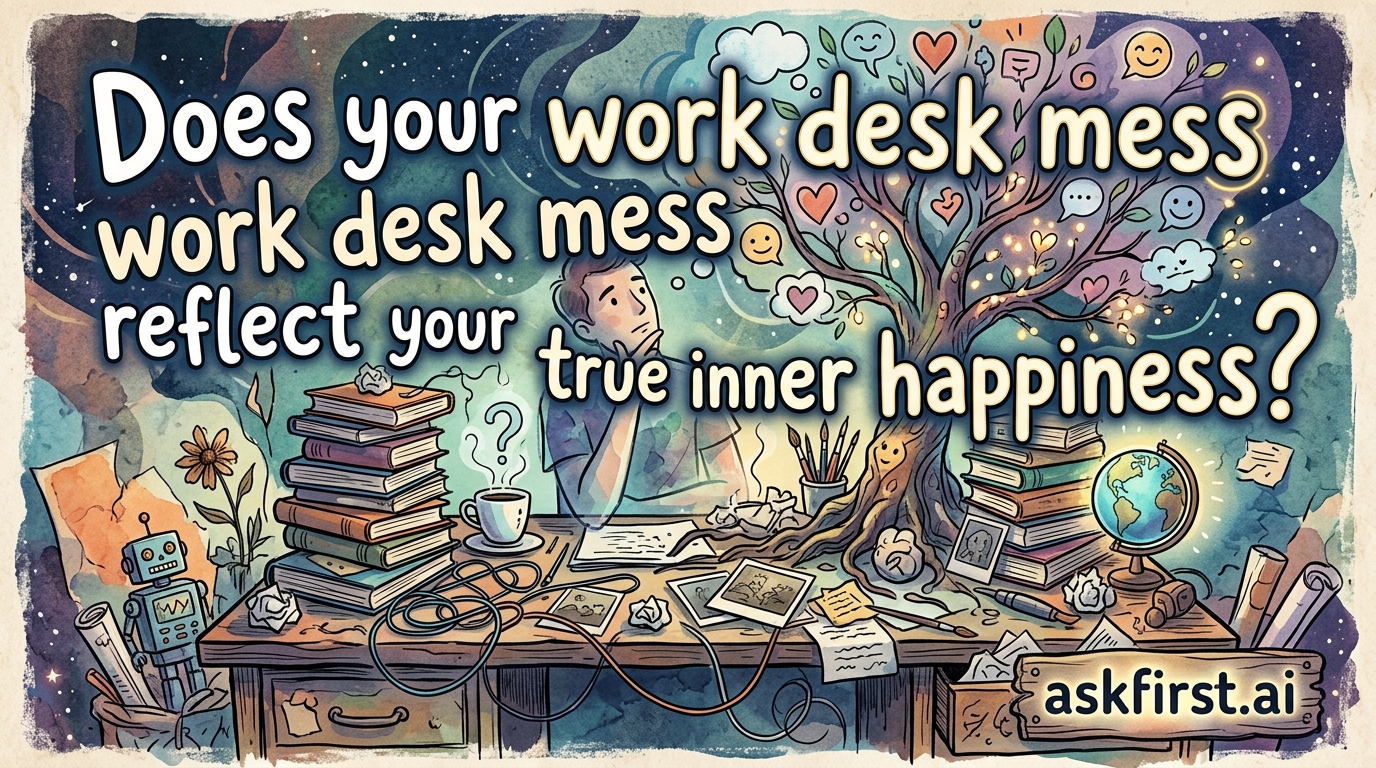
The correlation between a cluttered workspace and an individual’s internal state is a subject of ongoing debate in environmental psychology. While popular culture often frames a messy desk as a sign of a "disorganized mind," academic research suggests a more nuanced relationship between physical environments and mental well-being.
The Historical and Psychological Perspective
Historically, the "clean desk" policy was popularized during the Industrial Age to promote efficiency and standardization. However, modern psychological studies, most notably those conducted by Kathleen Vohs at the University of Minnesota, have challenged the notion that a tidy desk is the only path to productivity.
- The Case for Order: Proponents of minimalism argue that a clear desk reduces cognitive load. By removing visual distractions, the brain can focus its limited executive resources on the task at hand, theoretically leading to lower stress levels and higher satisfaction.
- The Case for Chaos: Conversely, research indicates that a messy environment can stimulate creativity. When individuals are surrounded by a "disordered" space, they are often more inclined to break away from tradition, generate novel ideas, and challenge conventional thinking. This suggests that a messy desk may not reflect unhappiness, but rather a preference for a creative, high-entropy workflow.
Does Messiness Reflect Inner Happiness?
The answer is not binary. Whether a mess reflects "true inner happiness" depends on the individual's psychological baseline and executive function style:
- The "Organized Chaos" Archetype: For many, a desk covered in papers and sticky notes is not a sign of depression or unhappiness, but a "distributed cognitive system." They use physical objects as memory anchors. For these individuals, cleaning the desk disrupts their flow, potentially inducing anxiety rather than relief.
- The "Environmental Feedback" Archetype: For those prone to anxiety, a messy desk can be a visual stressor. In this case, the mess is a symptom of overwhelm, and the act of cleaning becomes a form of self-regulation. Here, the mess is indeed a reflection of an internal state of struggle or burnout.
Practical Assessment: When to Clean
If you are wondering if your desk reflects your inner state, consider these diagnostic questions:
- Do you feel "stuck" when looking at your desk? If the physical items represent unfinished tasks that you are avoiding, the mess is a manifestation of procrastination or latent stress.
- Can you find what you need in under 30 seconds? If the mess hinders your ability to work, it is a functional obstacle.
- Does your environment evolve with your projects? If the "mess" is composed of active project materials, it is likely a tool for success.
Future Trends and Digital Spaces
As we move into 2026, the concept of the "desk" is increasingly hybrid. We must now account for digital clutter. A pristine physical desk paired with thousands of unorganized desktop files or hundreds of unread emails may indicate a displaced need for control. True happiness is rarely found in the state of the desktop, but rather in the intentionality behind it.
Conclusion: A messy desk is not inherently a sign of unhappiness. It is a mirror of your process. If your desk serves your goals and you feel at peace within your environment, the aesthetic state of your workspace is secondary to your functional success and emotional regulation.