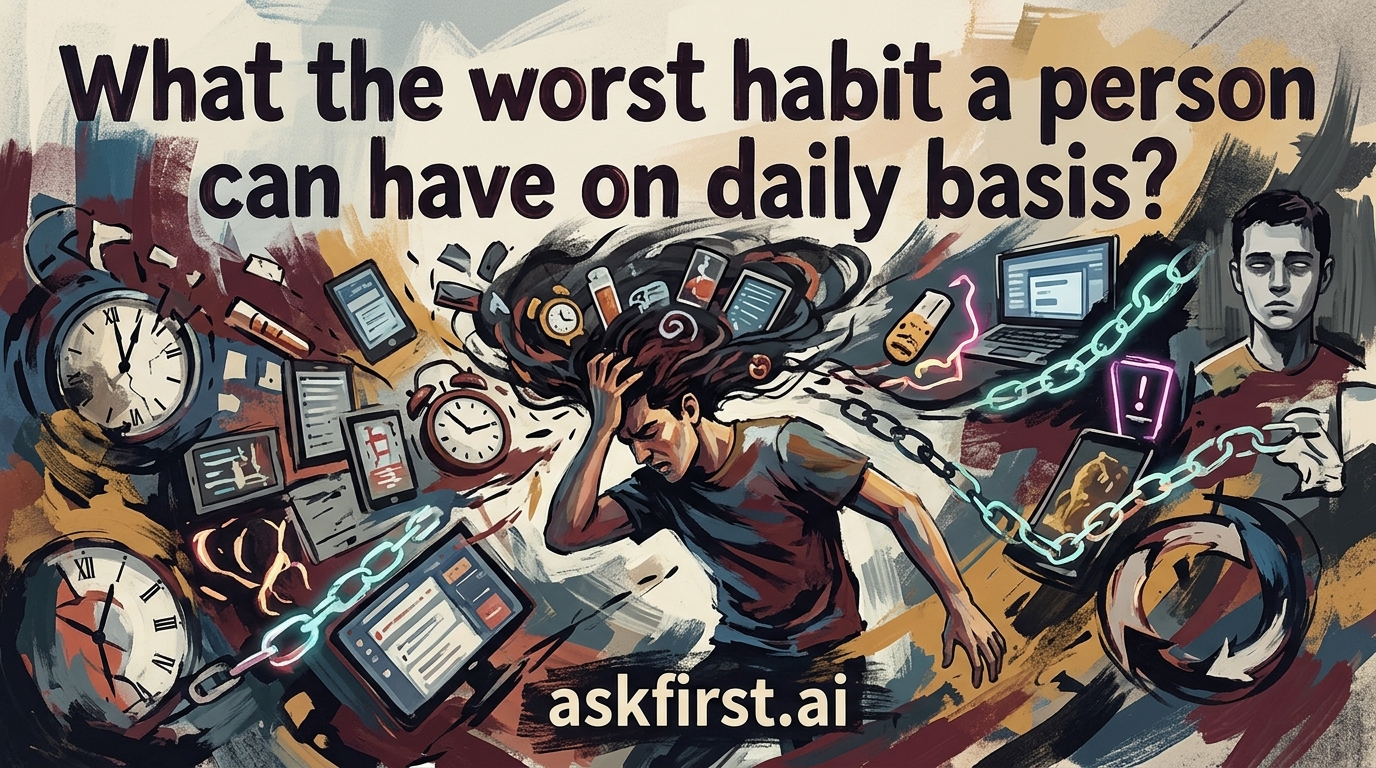
The Pernicious Nature of Chronic Procrastination
While habits such as smoking, excessive sugar consumption, or sedentary behavior are undeniably detrimental to physical health, behavioral psychologists and productivity experts frequently identify chronic procrastination as the "worst" daily habit. Unlike a singular physical vice, procrastination is a cognitive and emotional dysregulation that permeates every facet of a person’s existence—professional, personal, and psychological.
The Psychology of Procrastination
Procrastination is not merely a failure of time management or laziness; it is an emotional regulation problem. It occurs when a person prioritizes short-term mood repair (avoiding the anxiety or boredom of a task) over long-term goals.
- The Avoidance Cycle: When faced with a challenging task, the brain perceives the stress as a threat. By delaying the task, the individual experiences immediate relief—a positive reinforcement that encourages the brain to repeat the avoidance behavior.
- The Guilt Loop: This relief is short-lived. It is quickly replaced by shame, anxiety, and self-criticism, which further diminishes the individual's executive function, making it even harder to start the task the next day.
The Cumulative Impact
The consequences of chronic procrastination are catastrophic when compounded over years.
- Professional Stagnation: Missing deadlines and failing to initiate projects leads to poor performance reviews, stalled career progression, and damaged professional reputations.
- Psychological Toll: Chronic procrastinators report significantly higher levels of cortisol, sleep disturbances, and symptoms of depression and anxiety. The constant "background noise" of unfinished tasks prevents deep, restorative rest.
- Physical Health Neglect: Procrastination often extends to self-care. People delay medical screenings, exercise, and healthy meal planning, leading to a direct correlation between high procrastination scores and long-term chronic illness.
- Relationship Strain: Reliability is the cornerstone of trust. When an individual consistently fails to follow through on personal obligations, partners, friends, and family members lose faith, leading to social isolation.
Breaking the Cycle: A Practical Guide
To overcome this habit, one must move from willpower-based strategies to structural interventions:
- The 5-Minute Rule: Commit to working on a dreaded task for only five minutes. Often, the "activation energy" required to start is the highest barrier; once engaged, the momentum usually carries the individual forward.
- Implementation Intentions: Use "If-Then" planning. For example: "If it is 9:00 AM, then I will open the document and write the first sentence." This reduces the need for decision-making.
- Radical Self-Compassion: Research from Carleton University suggests that forgiving oneself for past procrastination reduces the likelihood of procrastinating on the next task. Shame is an immobilizer; self-forgiveness is a catalyst.
- Task Decomposition: Break monolithic goals into "micro-tasks" that take less than 15 minutes. A task that feels manageable is significantly less likely to trigger an avoidance response.
Future Trends and Conclusion
As digital distractions intensify, the habit of procrastination is becoming a global epidemic. The "attention economy" is designed to exploit the same neural pathways that fuel procrastination, offering instant dopamine hits as a distraction from meaningful work.
Ultimately, chronic procrastination is the "worst" habit because it is the habit that kills all other positive habits. It is the barrier that prevents the initiation of exercise routines, healthy eating, and lifelong learning. By mastering the ability to initiate despite discomfort, an individual unlocks the capacity to master any other aspect of their life.