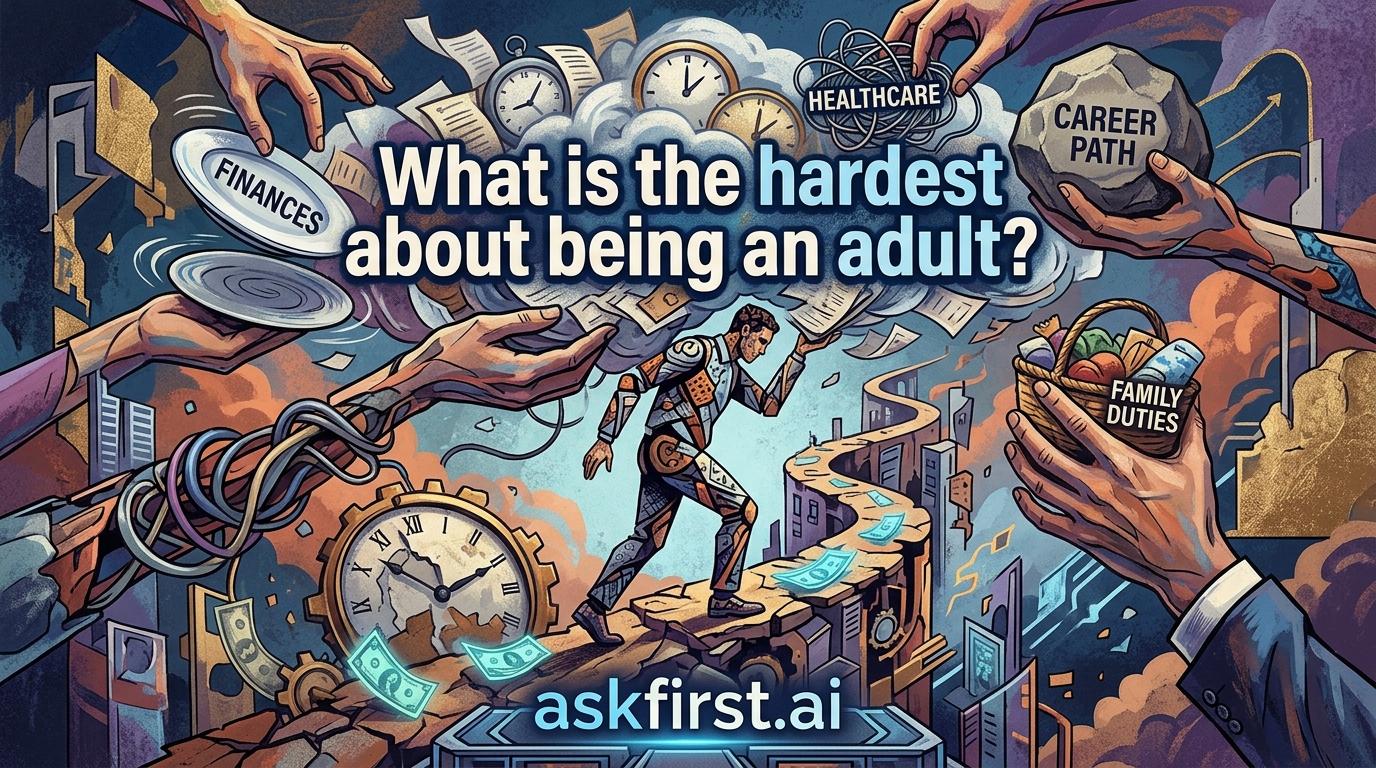
The Complexities of Adulthood: Navigating the Threshold of Maturity
Adulthood is often romanticized as the pinnacle of personal autonomy, yet the transition into this stage of life is fraught with psychological, financial, and existential challenges. Being an adult is not merely about reaching a chronological age; it is defined by the assumption of total accountability for one’s existence.
1. The Weight of Constant Decision-Making
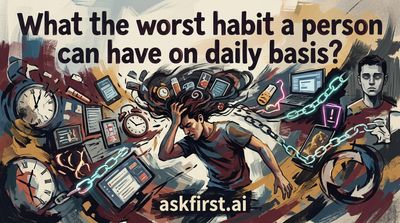
The most profound shift from childhood to adulthood is the "Decision Fatigue" phenomenon. Children and adolescents often exist within structured environments where parents or guardians mitigate the consequences of daily choices. As an adult, every choice—from career trajectory and nutritional intake to financial investments—rests solely on one’s shoulders. This autonomy creates a paradox: while one possesses the freedom to choose, one also carries the crushing weight of the consequences. The inability to defer responsibility to an authority figure leads to high levels of latent stress and anxiety.
2. Financial Stewardship and Economic Realities
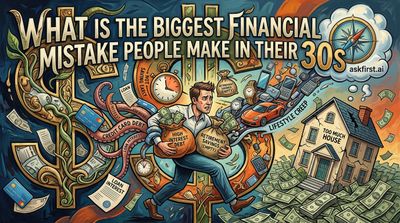
Financial literacy is rarely taught comprehensively in formal education, yet it is the cornerstone of adult survival. The challenges include:
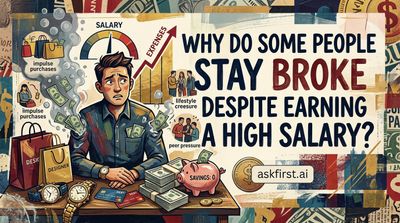
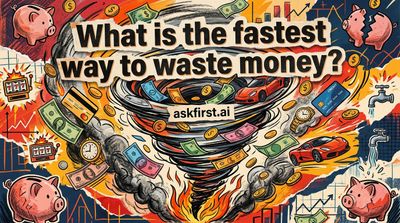
- Budgeting vs. Discretionary Spending: Balancing the "needs" (rent, utilities, insurance) against "wants" in an inflationary economy.
- The Debt Cycle: Managing credit scores, student loans, and interest rates, which can dictate housing and career mobility for decades.
- Retirement Planning: The daunting realization that one must fund their own future existence, often requiring discipline in investment strategies that yield no immediate gratification.
3. The Erosion of Social Fabric
In childhood, social circles are largely dictated by proximity—school, neighborhood, or organized sports. As an adult, maintaining relationships requires intentional, active effort.
- Proximity Loss: Friends move for career opportunities, leading to the "loneliness epidemic" among adults aged 25–45.
- Schedule Conflicts: Aligning calendars becomes an administrative hurdle, often resulting in social isolation.
- Changing Dynamics: Adult friendships are often filtered through professional success, family obligations, and shifting personal values, which can lead to the natural thinning of one’s social circle.
4. Health and Biological Maintenance
The "invincibility" of youth fades as the body demands proactive maintenance. Adulthood requires a shift from reactive medicine to a lifestyle of preventative care. This involves:
- Mental Health: Recognizing burnout and the necessity of boundaries in a hyper-connected, 24/7 work culture.
- Physical Maintenance: The realization that sleep, nutrition, and exercise are no longer optional "wellness" activities, but essential requirements to function at a baseline level of efficacy.
5. The Existential Burden: Finding Meaning
Perhaps the hardest aspect of being an adult is the transition from "what do I want to be?" to "who am I?" Adulthood forces individuals to confront the transience of time. Without a predefined curriculum provided by school, adults must construct their own purpose. This search for meaning can be paralyzing, leading to mid-life crises or professional disillusionment when the reality of daily labor fails to align with youthful ideals of passion and impact.
Summary: The Path Forward
While the challenges of adulthood—financial pressure, social isolation, and the weight of responsibility—are significant, they are also the mechanisms that forge individual identity. The key to successful adulthood lies in building systems: automating finances, prioritizing authentic relationships, and embracing the reality that perfection is an illusion. Adulthood is not a state of having "arrived," but a continuous process of adaptation.