The Anatomy of Financial Depletion: How Capital Dissipates
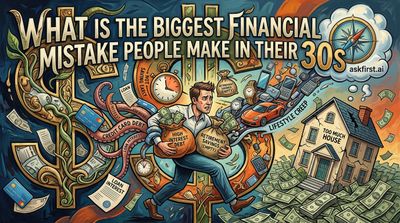
Wasting money is often framed as a series of impulsive decisions; however, from an economic and behavioral perspective, it is a systematic erosion of purchasing power. The "fastest" ways to lose wealth are characterized by high-friction transactions, depreciating assets, and the surrender of compound interest. Below is an exhaustive breakdown of the mechanisms through which capital is most rapidly liquidated.
1. High-Interest Consumer Debt (The "Negative Compound" Trap)
The most efficient way to destroy personal wealth is through high-interest revolving debt, specifically credit cards.
- The Mechanism: Credit cards often carry Annual Percentage Rates (APR) ranging from 20% to 30%. When you carry a balance, you are effectively paying a premium for past consumption.
- The Mathematical Reality: If you owe $10,000 at 25% interest and make only minimum payments, you will pay thousands in interest, often exceeding the original cost of the items purchased. This is the inverse of compound interest—the "eighth wonder of the world" working against your net worth.
2. Lifestyle Inflation and Depreciating Assets
The acquisition of status symbols that lose value immediately upon purchase is a primary driver of wealth depletion.
- Automotive Depreciation: A new vehicle typically loses 10% to 20% of its value the moment it is driven off the lot. Financing a luxury vehicle at high interest rates while it simultaneously depreciates creates a "double-hit" to your balance sheet.
- Luxury Consumption: Purchasing high-end goods (designer apparel, jewelry, or electronics) that lack secondary market resale value is equivalent to burning cash. These items provide utility but contribute zero to long-term financial security.
3. High-Frequency Trading and Speculative Gambling
Attempting to "get rich quick" through high-risk financial instruments is statistically the fastest way to lose capital.
- Day Trading: Studies consistently show that over 90% of retail day traders lose money over the long term. Between commissions, slippage, and the "bid-ask spread," the house (or the platform) wins while the individual depletes their principal.
- Speculative Assets: Investing in volatile assets (such as low-cap cryptocurrencies, "meme" stocks, or leveraged options) without a fundamental thesis is effectively gambling. When market volatility hits, liquidating these positions during a downturn ensures permanent capital loss.
4. The "Subscription Creep" and Micro-Transactions
In the digital age, death by a thousand cuts is a significant financial drain.
- Unused Subscriptions: The "subscription economy" relies on the consumer forgetting they are paying for services. Audits frequently reveal hundreds of dollars per month spent on unused streaming services, gym memberships, and software.
- In-Game Purchases: The gamification of spending—specifically micro-transactions in mobile gaming—exploits psychological triggers to extract small, frequent amounts of money that aggregate into significant annual losses.
Practical Steps to Stop the Bleed
To reverse these trends, one must implement a rigid financial framework:
- Automate Savings: Pay yourself first by moving a percentage of income into an investment vehicle before any discretionary spending occurs.
- Audit Fixed Costs: Conduct a monthly review of all recurring charges. Cancel any service not utilized within the last 30 days.
- The 24-Hour Rule: For any non-essential purchase over $100, wait 24 hours. This cooling-off period mitigates impulsive emotional spending.
Future Trends: The Digital Wallet Effect
As we move toward a cashless society, the "pain of paying" is diminishing. Studies indicate that consumers spend significantly more when using digital wallets or "one-click" checkout features compared to physical cash. Awareness of this psychological phenomenon is the first step toward reclaiming financial agency. By avoiding high-interest debt and prioritizing assets over liabilities, individuals can effectively halt the rapid depletion of their resources.