The Legal Reality of Keeping Your Ex's Possessions After a Breakup
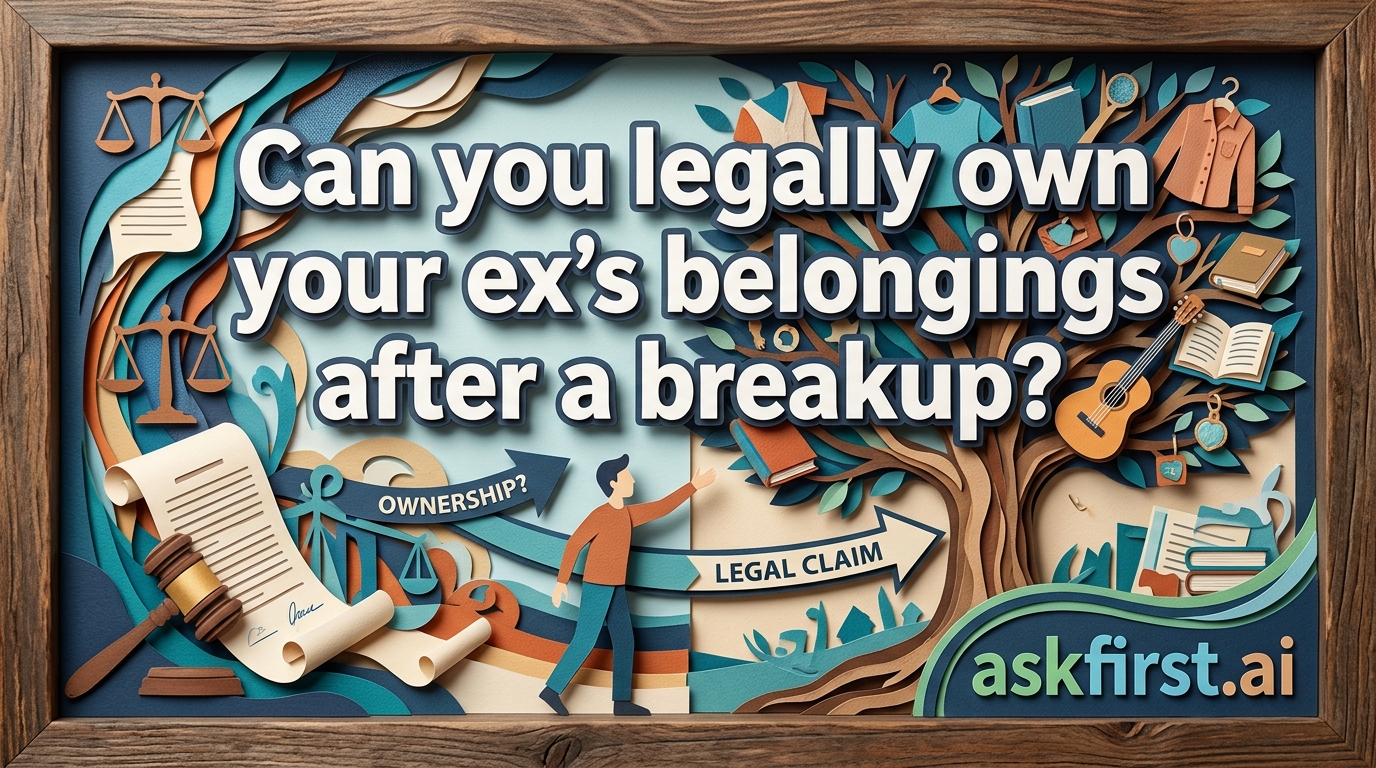
Navigating the aftermath of a relationship often involves disentangling personal property. A common misconception exists that if an item is located in one's home after a partner departs, it automatically becomes the property of the person living there. However, legal systems across most jurisdictions maintain strict doctrines regarding ownership, regardless of a breakup's emotional toll.
Understanding Property Rights and Ownership
Legal ownership of personal property generally remains with the individual who purchased the item, received it as a gift, or inherited it. Simply because an object sits within a residence does not grant the owner of that residence legal title to the item. In the eyes of the law, keeping items that do not belong to you can constitute civil conversion, which is the unauthorized act of depriving another person of their personal property.
Distinguishing Between Gifts and Loans
Determining ownership often hinges on whether an item was a gift or a loan. For a gift to be legally considered the recipient's, three elements must typically be present:
- Donative Intent: The giver intended to permanently relinquish ownership.
- Delivery: The item was physically handed over to the recipient.
- Acceptance: The recipient accepted the item.
If an item was merely lent for convenience, the lender retains legal ownership and is entitled to its return upon request. Disputes often arise regarding "conditional gifts," such as engagement rings. In many jurisdictions, engagement rings are viewed as conditional gifts given in contemplation of marriage; if the marriage does not occur, the donor may have a legal right to reclaim the ring, regardless of who ended the relationship.
The Consequences of Illegitimate Retention
Retaining an ex-partner's property without a valid legal claim can lead to significant consequences, including:
- Small Claims Litigation: An ex-partner can sue for the value of the items, potentially leading to court-mandated restitution.
- Conversion Claims: A formal civil suit can be filed for the recovery of the property or damages.
- Law Enforcement Involvement: In extreme cases where items are withheld or destroyed, accusations of theft or larceny may arise, particularly if there is clear evidence of the original owner's title.
Recommended Best Practices for Property Division
To avoid legal entanglement, clarity is paramount. Always attempt to create a written inventory of shared or individual assets. If a disagreement occurs, avoid "self-help" measures like changing locks or damaging property, as these actions often exacerbate legal liability. Instead, consider mediation or a clear, written communication requesting the retrieval of items by a specific date. When in doubt, consulting a legal professional is the safest route to ensure compliance with local property statutes. The law protects ownership rights firmly, and emotional frustration is rarely a valid defense for the unauthorized retention of another person's goods.