The Digital Legacy: Who Owns Your Virtual Existence?
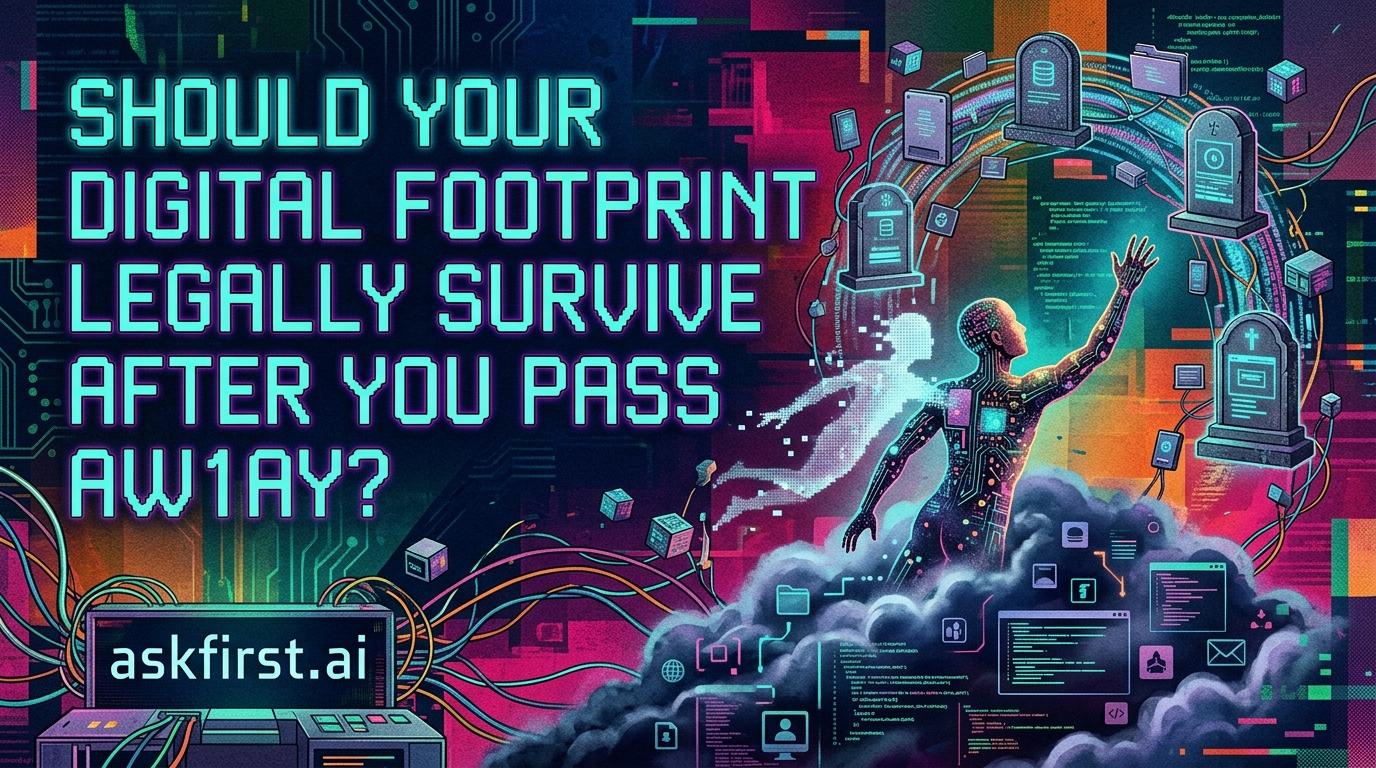
In an era where every photograph, social media update, and digital communication contributes to a permanent archive, the concept of a digital footprint has transformed from a casual trail into a complex estate. As human lives shift increasingly into virtual environments, the legal status of digital assets—ranging from cryptocurrency and intellectual property to social media profiles—remains one of the most debated topics in modern jurisprudence. The question of whether this data should survive depends on a delicate balance between privacy rights, archival necessity, and property law.
The Legal Framework of Digital Assets
Historically, legal systems were designed for physical possessions: houses, bank accounts, and heirlooms. Digital footprints, however, reside in a cloud-based ambiguity. Statutes like the Revised Uniform Fiduciary Access to Digital Assets Act (RUFADAA) in the United States have begun to provide a roadmap, allowing individuals to grant fiduciaries the power to manage their online presence posthumously. Without clear directives, digital data often falls into a legal void, leaving service providers to navigate terms of service that may either protect or delete user data by default.
The Argument for Permanence
Advocates for the preservation of digital footprints argue that personal data functions as a modern form of historical record. By maintaining access to past emails, blog posts, and artistic contributions, society preserves the nuances of individual lives for future generations. This perspective views a digital footprint as a cultural asset. For instance, the digitization of family genealogy and personal correspondence allows historians and descendants to reconstruct narratives that were previously lost to time, ensuring that the essence of a person's life remains accessible to those who value it.
The Argument for the Right to be Forgotten
Conversely, many legal scholars emphasize the 'right to be forgotten.' Privacy advocates argue that individuals should maintain control over their virtual reputation indefinitely. If a digital footprint remains public, the potential for identity theft, unauthorized data harvesting, or the posthumous misrepresentation of one's beliefs poses a significant threat. From this viewpoint, the deletion of digital information is an essential extension of bodily autonomy and private life, ensuring that one's image is not exploited by third parties or algorithms that may manipulate data out of its original context.
Strategic Management of Your Footprint
To ensure your digital legacy reflects your personal wishes, consider these proactive measures:
- Digital Asset Inventory: Maintain a secure, updated list of all online accounts, including cloud storage, social platforms, and digital wallets.
- Designate a Digital Executor: Appoint someone specifically tasked with following your preferences regarding account closure or archival.
- Review Terms of Service: Understand how major platforms handle accounts of deceased users.
Ultimately, the legal landscape is evolving toward a model of user-controlled digital legacy. By acknowledging that your digital footprint is an extension of your estate, you can take control of your virtual future today.