Understanding the Dark Web: An Analytical Overview
The "Dark Web" refers to a subset of the internet that is intentionally hidden, requiring specific software, configurations, or authorization to access. While frequently sensationalized in mainstream media as a monolithic criminal enterprise, it is a complex digital ecosystem. It functions primarily through overlay networks like Tor (The Onion Router), which anonymizes traffic by routing it through a global volunteer network of relays.
1. The Composition of Marketplaces
Contrary to popular belief, the dark web is not solely dedicated to illicit trade. However, the most visible segments—Darknet Markets (DNMs)—operate similarly to e-commerce platforms like Amazon or eBay, but utilize cryptocurrencies (primarily Monero or Bitcoin) to facilitate anonymous transactions.
Categories of Goods and Services
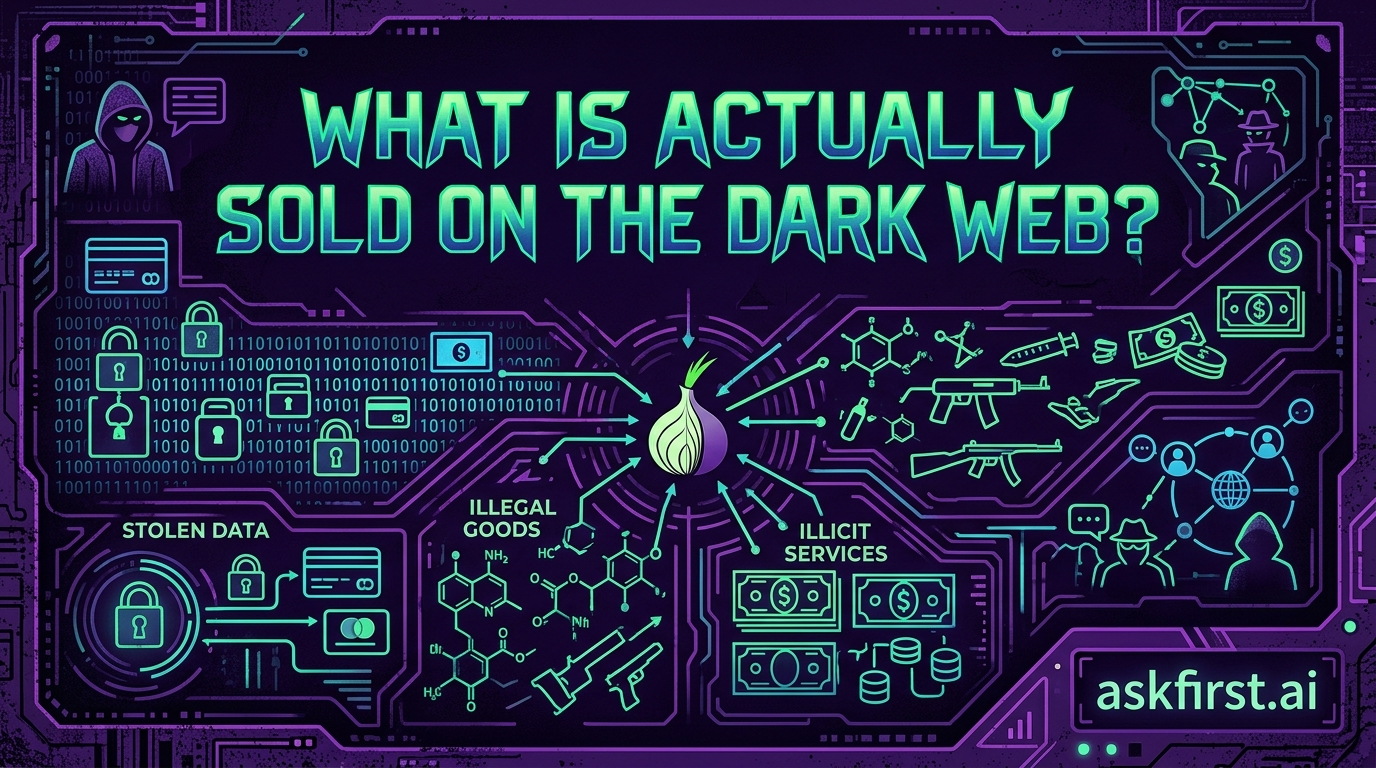
- Illicit Narcotics: This remains the largest segment of dark web trade. Products range from synthetic opioids and stimulants to prescription medications and cannabis. These markets often feature vendor review systems, similar to standard retail sites, to build "reputation" and trust among buyers.
- Stolen Data and Credentials: A significant portion of the economy revolves around "Data Dumps." This includes compromised credit card numbers, login credentials for streaming services or banking portals, and Personally Identifiable Information (PII) such as Social Security numbers, which are sold in bulk for identity theft or further financial fraud.
- Cyber-Attacks and Malware: "Crime-as-a-Service" (CaaS) has become highly sophisticated. Vendors sell Ransomware-as-a-Service (RaaS) kits, DDoS (Distributed Denial of Service) tools, and bespoke malware designed to exfiltrate data from corporate networks.
- Counterfeit Documents: Marketplaces offer high-quality forgeries, including passports, driver’s licenses, and residency permits, often targeting individuals seeking to bypass border controls or verify online accounts illegally.
2. The Mechanics of Trust and Risk
Because dark web transactions lack legal recourse, the ecosystem relies on Escrow Systems. In an escrow arrangement, the market platform holds the buyer's cryptocurrency until the goods are marked as received. This reduces the risk of "exit scams," where a vendor disappears after receiving payment.
Pros and Cons of the Ecosystem:
- Pros: Enhanced privacy for whistleblowers, activists in oppressive regimes, and users seeking to circumvent state-sponsored censorship.
- Cons: High risk of scams, exposure to law enforcement "honeypots," and the proliferation of harmful or dangerous contraband.
3. Practical Safety and Legal Realities
For researchers or users navigating these spaces, the risks are substantial.
- Technical Security: Accessing these sites requires the Tor Browser, which masks IP addresses. However, users often inadvertently reveal their identity through poor operational security (OpSec), such as using personal email addresses or reusing passwords.
- Law Enforcement: Global agencies, including the FBI and Europol, frequently conduct "takedowns" of major marketplaces (e.g., Silk Road, AlphaBay, Hydra). These operations often lead to the de-anonymization of both vendors and regular users.
4. Future Trends
The future of the dark web is currently shifting toward decentralization. As centralized markets are repeatedly seized by authorities, developers are moving toward peer-to-peer (P2P) marketplaces that lack a central server, making them significantly harder to shut down. Additionally, the increasing integration of AI is being used by both criminals to automate phishing campaigns and by law enforcement to scan the dark web for emerging criminal patterns.
In summary, the dark web is a paradoxical space. While it provides a necessary tool for digital anonymity, it simultaneously serves as a marketplace for the commodification of illicit goods and stolen digital assets.