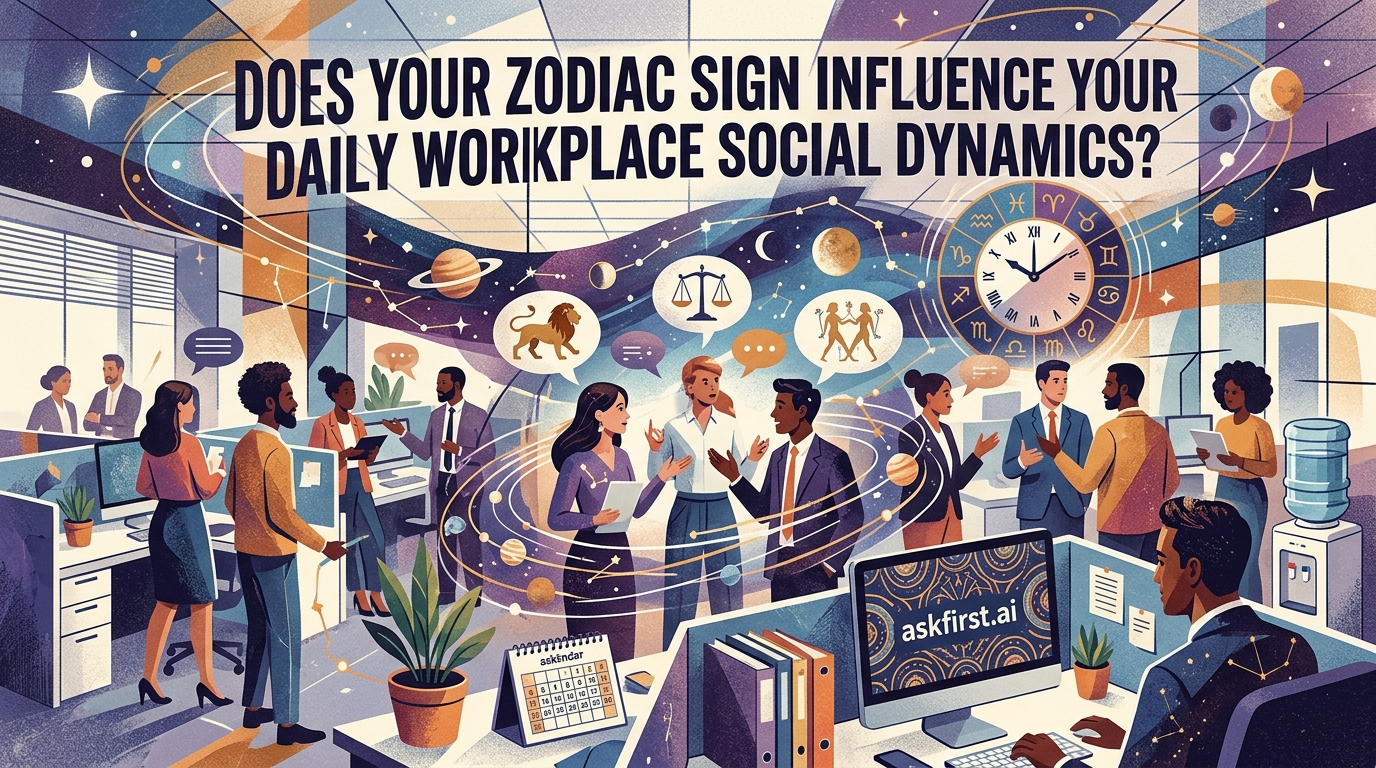
Stellar Strategy: Do Zodiac Signs Dictate Office Success?
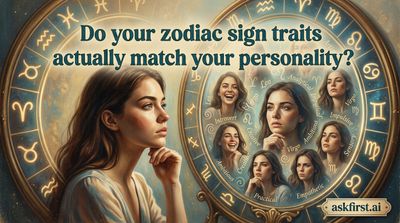
The debate over whether astrological archetypes impact professional interaction remains one of the most intriguing intersections between personality psychology and cultural tradition. While scientific consensus classifies astrology as pseudoscience, the behavioral archetypes associated with the twelve zodiac signs serve as a fascinating mirror for workplace social dynamics. By analyzing these traits, professionals can gain unexpected insights into communication styles, conflict resolution, and leadership temperaments.
The Psychology of Archetypal Behavior
Organizations often utilize personality frameworks like the Myers-Briggs Type Indicator (MBTI) or the Big Five model to categorize employee tendencies. Astrology functions similarly as a heuristic device. For instance, 'Fire' signs (Aries, Leo, Sagittarius) are often associated with high-energy leadership, risk-taking, and assertive communication. In a fast-paced boardroom, these individuals might naturally gravitate toward initiating projects or driving competitive momentum. Conversely, 'Earth' signs (Taurus, Virgo, Capricorn) are frequently characterized by pragmatism, attention to detail, and a focus on long-term stability. These employees often excel in roles requiring structural integrity and meticulous oversight.
Navigating Team Synergy
Understanding these symbolic archetypes can provide a framework for enhancing team empathy. When a manager identifies a coworker as a 'Water' sign (Cancer, Scorpio, Pisces), they might anticipate a higher emphasis on emotional intelligence and interpersonal harmony. Recognizing these preferences allows for more tailored feedback loops. For example:
- Analytical Tasks: Virgo and Capricorn individuals often appreciate data-driven, objective feedback provided in private.
- Creative Collaborations: Libra and Gemini individuals frequently thrive on brainstorming sessions that allow for dynamic verbal exchange.
By acknowledging that coworkers possess diverse 'default settings' for social engagement, leaders can mitigate friction before it escalates. This approach essentially operationalizes the 'Golden Rule' by considering not just how one wishes to be treated, but how different personalities perceive communication.
Beyond the Myth: The Barnum Effect
It is essential to maintain a professional balance. The 'Barnum Effect' suggests that individuals believe vague, general personality descriptions apply specifically to them. In a corporate setting, relying too heavily on horoscopes can lead to stereotyping or cognitive bias. If a manager assumes a Leo is automatically arrogant, they may overlook genuine displays of collaborative humility. Therefore, the value lies not in the stars themselves, but in the reflexive practice of observing diverse communication styles. When used as a tool for self-awareness and active listening, astrological archetypes become a bridge for understanding the broad spectrum of human behavior in a professional ecosystem. Whether one views astrology as a cosmic guide or merely a metaphorical language, the exercise of contemplating different social temperaments ultimately sharpens the emotional intelligence required for modern collaborative success.