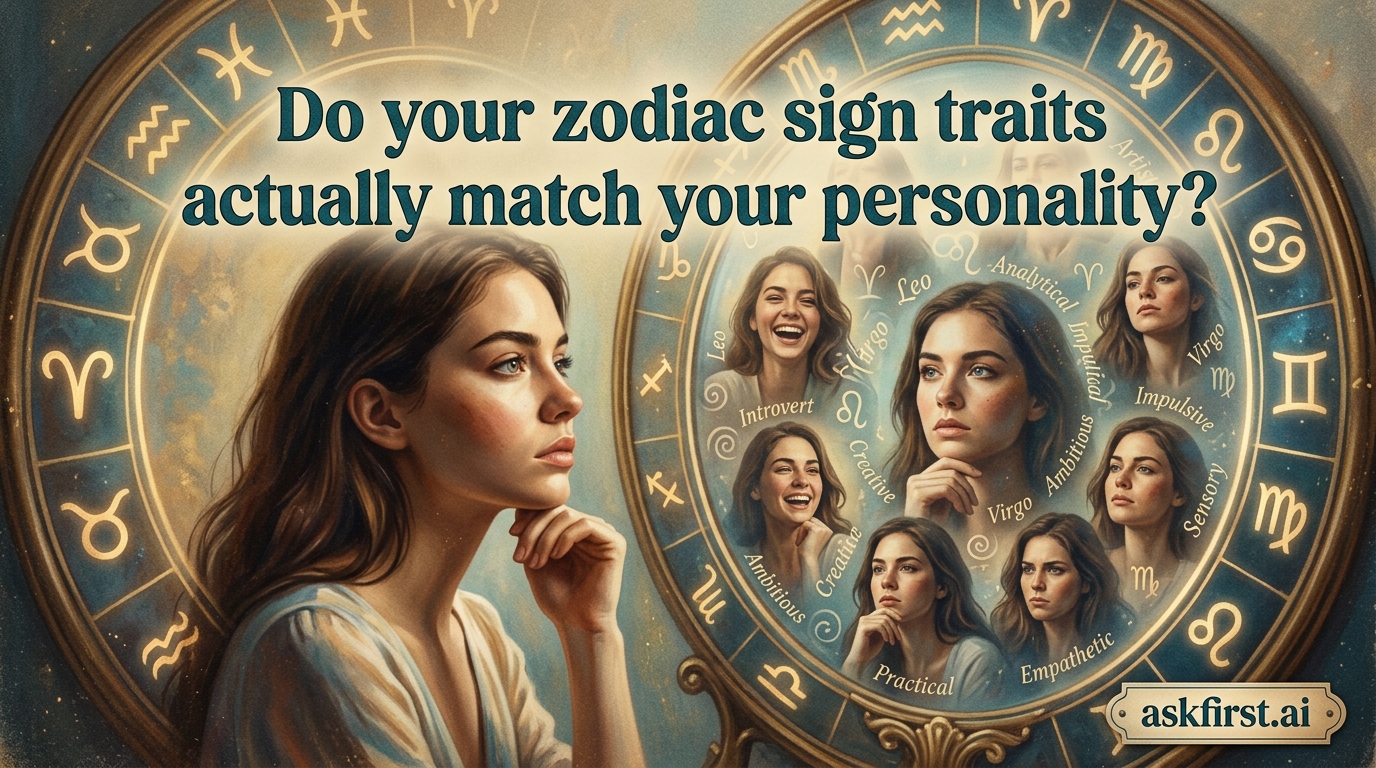
The Cosmic Mirror: Are Zodiac Personality Traits Scientifically Valid?
Astrology remains one of the most enduring cultural phenomena in human history, yet it occupies a complex space between ancient wisdom and modern scientific scrutiny. The belief that the alignment of celestial bodies at the moment of birth dictates an individual's core personality traits is rooted in archetypal systems that date back thousands of years. While millions find resonance in these descriptions, empirical evidence suggests a more nuanced reality involving psychological mechanisms rather than planetary influence.
The Forer Effect and Cognitive Bias
Psychologically, the reason zodiac signs often feel accurate is primarily attributed to the Barnum Effect (or Forer Effect). In 1948, psychologist Bertram R. Forer conducted an experiment where he gave students personality tests, ignored their answers, and provided all of them with the same generic analysis. Students overwhelmingly rated these assessments as highly accurate. This phenomenon illustrates that individuals readily accept vague, general personality descriptions as uniquely applicable to themselves. Zodiac horoscopes often use positive, broad statements that can apply to anyone, creating an illusion of precision.
Confirmation Bias in Personality Assessment
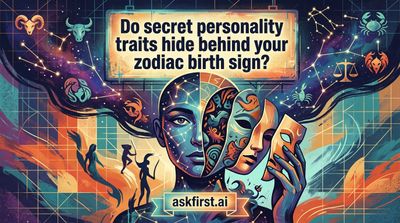
Beyond the Barnum Effect, confirmation bias plays a critical role. When someone identifies as a Leo, they become more likely to notice and record behaviors that confirm 'Leo traits'—like leadership or confidence—while subconsciously ignoring instances where they display shyness or hesitation. The brain seeks patterns to simplify the chaotic nature of personality. By categorizing oneself into a sign, a person creates a mental shortcut that helps navigate social expectations and self-identity.
Personality Theory vs. Astrological Archetypes
The scientific community relies on validated models like the Big Five Personality Traits (OCEAN): Openness, Conscientiousness, Extraversion, Agreeableness, and Neuroticism. Extensive studies comparing zodiac signs against these metrics have consistently found zero statistical correlation. Personality is a product of genetic inheritance, environmental conditioning, socio-economic factors, and personal experience. These variables are dynamic and change throughout a lifespan, whereas a zodiac sign remains fixed.
Why We Still Look at the Stars
Despite the lack of empirical backing, astrology serves a significant function in human culture. It provides:
- Narrative Frameworks: Astrology helps individuals structure their life stories and understand their social behaviors.
- Social Connectivity: Discussing signs creates a common language for exploring relationships and personality differences.
- Self-Reflection: The act of reading a horoscope prompts people to pause and evaluate their current emotional state, which is a mindfulness-adjacent practice.
In conclusion, while zodiac traits do not scientifically correlate with personality, they act as a profound psychological mirror. People see themselves in the archetypes because human personality is flexible enough to accommodate various traits, allowing the cosmos to serve as a canvas for self-discovery.