Decoding Your Spectrum: Can Aura Colors Reveal Hidden Personality Traits?
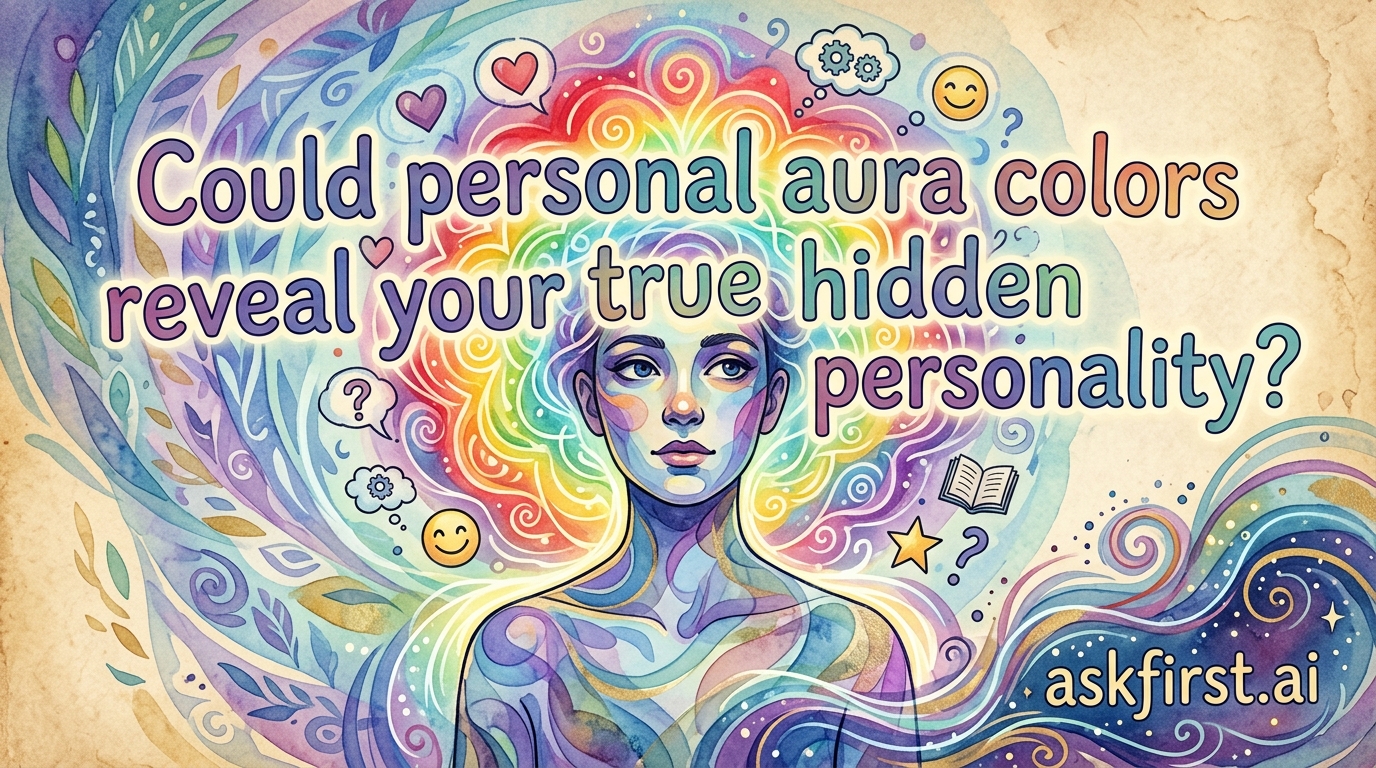
The concept of an aura—a subtle, luminous radiation supposedly surrounding all living beings—has intrigued human curiosity for centuries. While conventional science categorizes this phenomenon as pseudoscience or a visual illusion known as the afterimage effect, the study of "aura colors" remains a popular framework for psychological self-reflection and introspection. By examining these colors, individuals often uncover aspects of their temperament that remain buried beneath daily societal expectations.
The Spectrum of Personality
Practitioners of energy work suggest that specific aura colors correlate with distinct archetypal traits. Understanding these associations provides a unique lens through which one can evaluate their behavioral patterns:
- Deep Red: Often associated with groundedness, physical strength, and survival instincts. Individuals with this aura are frequently described as energetic, determined, and highly pragmatic.
- Vibrant Yellow: Linked to intelligence, optimism, and creativity. This color is thought to reflect a personality that is curious, playful, and intellectually agile.
- Calm Blue: Typically perceived in empathetic, intuitive, and communicative individuals. Those with a blue aura are often seen as the stabilizers in their social circles, prioritizing emotional harmony.
- Mystical Purple: Represents spiritual awareness, deep introspection, and visionary thinking. It denotes a personality that values meaning over material acquisition.
Psychological Projection vs. Energetic Reality
From a psychological standpoint, interest in aura colors often functions as a form of projection. When an individual identifies with a specific "color personality," they are frequently engaging in a process of self-identification that aligns with their personal values. This acts as a "psychological mirror," allowing people to articulate traits they admire or recognize within themselves but struggle to define using clinical terminology.
Why We Seek These Patterns
Human beings possess an innate desire to categorize the complexities of personality. The appeal of aura reading lies in its simplicity and narrative structure. Unlike complex psychological assessments, aura colors offer an immediate, visual shorthand for understanding social dynamics. Whether or not one believes in the literal existence of bio-energetic fields, the practice encourages mindfulness. By asking, "What color is my aura today?" an individual is essentially asking, "How am I feeling, and what drives my actions right now?"
Cultivating Self-Awareness
While critics correctly point out the lack of empirical evidence supporting the existence of invisible spectral fields, the cultural longevity of the aura concept is undeniable. It serves as a tool for personal growth. When viewed as a symbolic language rather than a biological certainty, aura color analysis invites users to explore hidden depths, fostering a stronger connection to their internal landscape and empowering them to live more authentically. Regardless of its scientific status, the quest to decode one's "aura" remains a fascinating exercise in understanding the human condition.