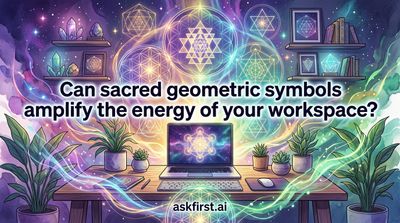
The Intersection of Ritual and Intention
Esoteric rituals are often dismissed as mere superstition, yet psychological research suggests they function as potent cognitive tools for focus and behavioral alignment. By engaging in symbolic acts, individuals create a psychological 'anchor' that bridges the gap between abstract desires and tangible reality. This process of intentional repetition facilitates a shift in mindset, effectively pruning the mental noise that often obstructs goal attainment.
Mechanisms of Manifestation Success
To understand why rituals work, one must examine the role of the Reticular Activating System (RAS). The RAS acts as a filter for the massive amount of sensory input received daily. When a person performs a consistent ritual—such as morning meditation or deliberate journaling—they are signaling the importance of a specific intention to the brain. Over time, the brain becomes primed to recognize opportunities, coincidences, and resources that align with that stated goal. This is not mystical 'magic' in the traditional sense, but rather a neurological realignment that improves the success rate of any task-oriented endeavor.
Structuring Effective Daily Rituals
Consistency remains the bedrock of any successful practice. To integrate esoteric principles into a daily routine, focus on these three elements:
- Symbolic Representation: Use objects (crystals, candles, or journals) to represent a specific goal. This provides the brain with a physical reference point.
- Temporal Anchoring: Perform rituals at the same time daily, such as at dawn or dusk. This routine builds a neurological expectation, conditioning the mind to enter a state of heightened focus automatically.
- Sensory Engagement: Utilize scent (incense or oils), sound (mantras or ambient tones), and touch. Multisensory experiences increase neuroplasticity, helping to encode the intention more deeply within the subconscious mind.
Scientific Perspective and Psychological Priming
Psychologists often refer to this as the 'placebo effect of action.' When an individual believes a ritual will bring them success, their self-efficacy increases. Higher self-efficacy leads to greater persistence, proactive behavior, and improved problem-solving capabilities. In this sense, the ritual serves as a psychological safety net, allowing the individual to bypass self-doubt and fear of failure. By treating manifestation as a structured discipline rather than a passive wish, the practitioner gains a sense of agency over their environment.
Conclusion
Whether through the lens of ancient esotericism or modern cognitive science, the utility of ritual lies in its ability to focus the human will. By systematically aligning one's actions, symbols, and intentions, the capacity to manifest desired outcomes is undeniably enhanced. The efficacy lies not in the supernatural, but in the profound ability of the human mind to shape its own reality through disciplined, symbolic focus.