The Hidden Craft: Why Studios Guard Cinematic Magic
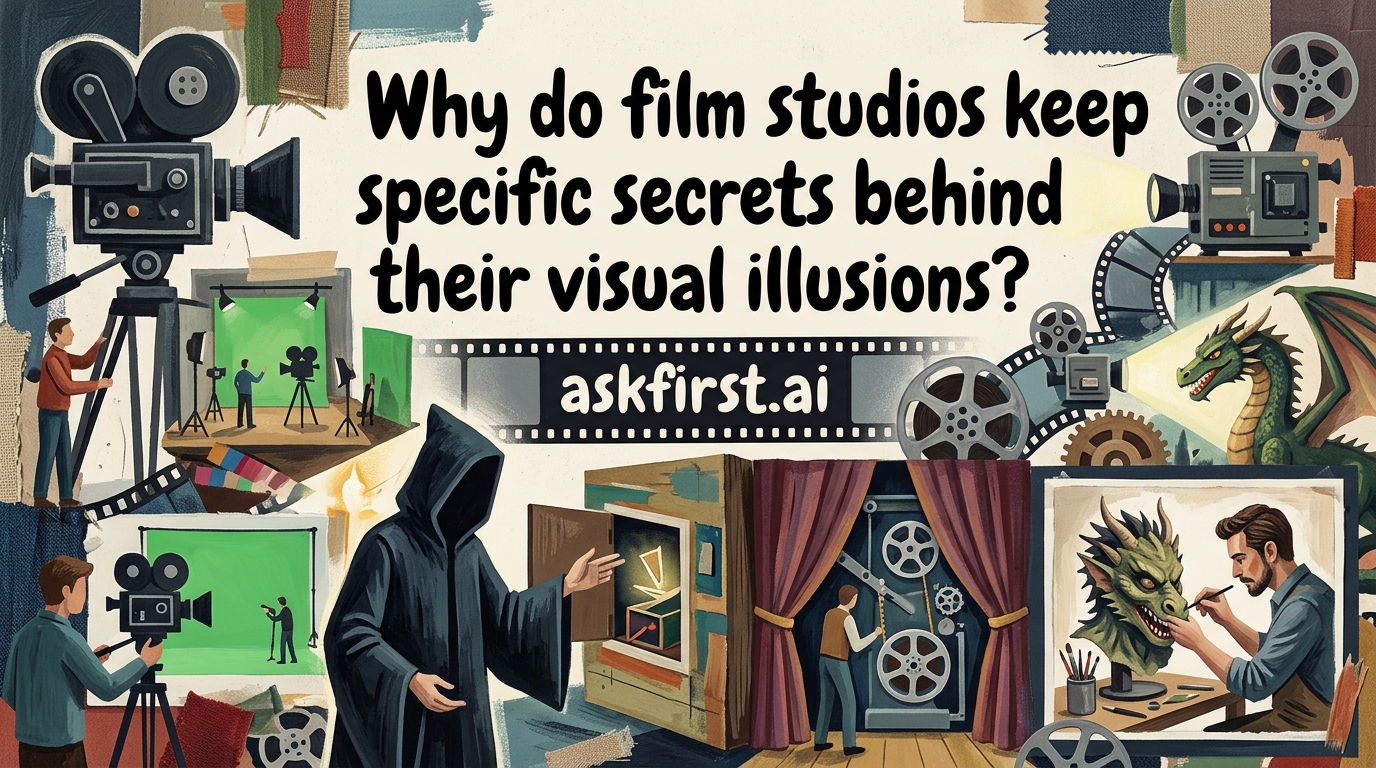
Behind every breathtaking scene in cinema, there lies a sophisticated web of proprietary techniques known as industrial trade secrets. While audiences are captivated by the spectacle on screen, film studios operate under a strict code of silence to protect the intellectual property that constitutes their competitive advantage. The preservation of these techniques is not merely about exclusivity; it is a calculated strategy rooted in economics, artistic identity, and the prevention of commodification.
The Economic Imperative of Innovation
The primary reason studios protect visual effect methodologies is the immense financial investment required to develop them. When a studio pioneers a novel way to render hyper-realistic hair, simulate fluid dynamics, or integrate deep-learning algorithms for facial animation, it represents years of research and millions of dollars. If these techniques were immediately public domain, smaller studios could replicate top-tier results without the R&D overhead, devaluing the original studio's primary market asset. By guarding these proprietary pipelines, studios ensure that their films offer a unique aesthetic experience that competitors cannot easily mimic.
Protecting the Artistic Brand Identity
Beyond simple economics, a studio's "look" is its brand. Just as a high-end chef guards their signature recipes, major VFX houses like Industrial Light & Magic (ILM) or Weta FX cultivate proprietary "recipes" for lighting, texture, and motion. These internal tools—often written in custom shaders or unique code bases—create a distinctive visual thumbprint. If every studio utilized the same open-source software and universal workflows, the cinematic landscape would lack the aesthetic diversity that defines modern tentpole filmmaking. Keeping secrets helps maintain a studio's distinct artistic voice in a saturated market.
Strategic Advantages and Market Dominance
Furthermore, guarding these secrets facilitates a "first-mover advantage." In the fast-paced world of digital production, staying one step ahead is essential. By holding back the precise data or specific technical workarounds used in complex scenes, studios retain the ability to sell their services to other productions or maintain a higher price point for their work. Even within the creative community, sharing technical breakthroughs is often mediated through non-disclosure agreements (NDAs) to ensure that only authorized teams leverage these high-value innovations.
Conclusion: The Veil of Wonder
Finally, there is an element of magic preservation. Cinema relies heavily on the "suspension of disbelief." If the exact step-by-step mechanisms of an illusion are revealed too prematurely, the audience's psychological immersion may diminish. While studios do share technical papers and publicize general advancements years after a film's release, the immediate concealment of these secrets is essential for maintaining both the business competitive edge and the sense of awe that draws viewers to the theater. Protecting these illusions ensures the industry remains an innovative, high-stakes domain of constant human achievement.