The Hidden Sonic World of Silent Cinema: More Than Just Silence
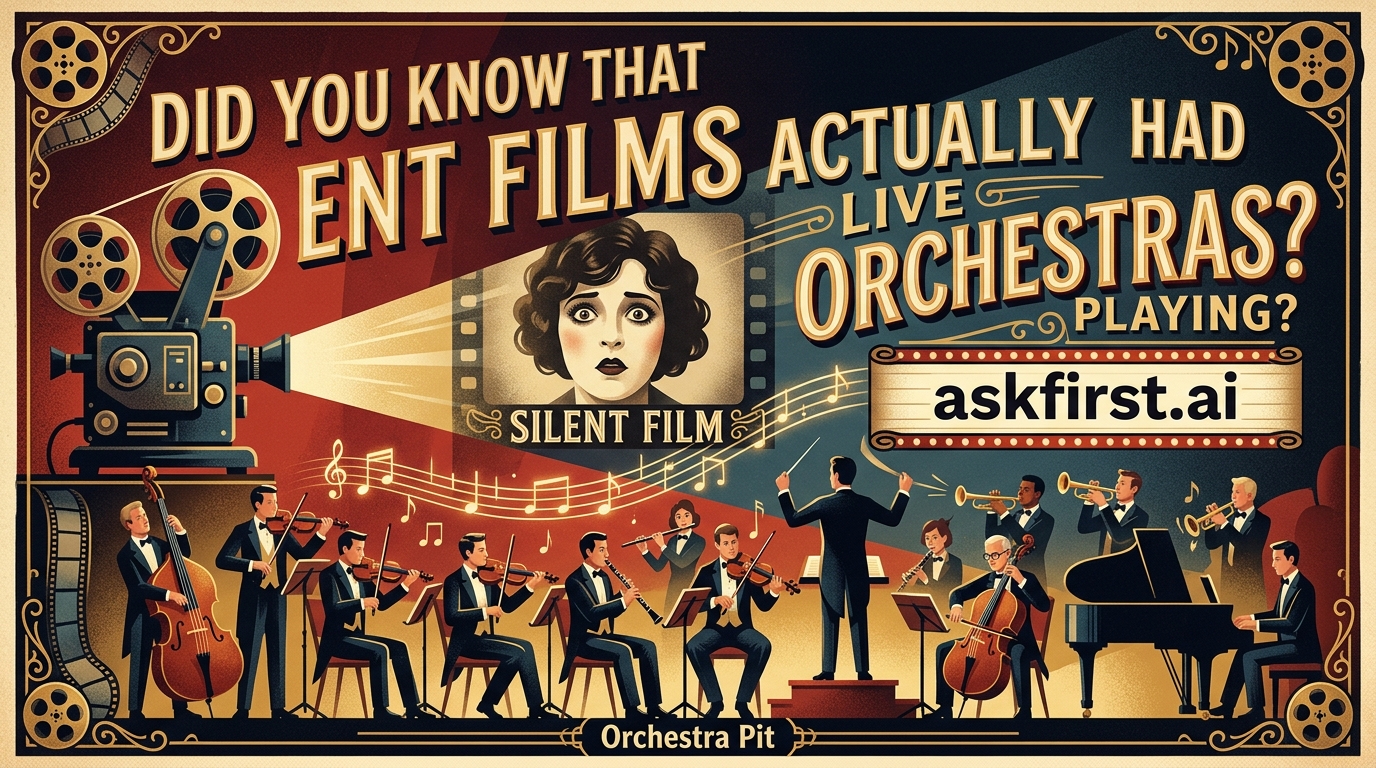
Contrary to the persistent popular myth that silent films were experienced in total acoustic stillness, the reality of early twentieth-century cinema was a vibrant, multi-sensory, and highly audible experience. The term "silent film" is a misnomer; while the technology for synchronizing recorded dialogue had not yet matured, the cinematic environment was far from quiet. Instead, it was an era of profound musical ingenuity.
The Role of Live Accompaniment
From the earliest screenings in the 1890s, music was considered essential. The primary reasons for live musical accompaniment were multifaceted:
- Acoustic Masking: Early projectors were incredibly noisy machines. The clatter of mechanical gears needed to be drowned out to provide a comfortable viewing experience for the audience.
- Emotional Guidance: Because actors lacked voices to convey nuance, music provided the necessary emotional subtext. A sudden shift from a jaunty piano melody to a somber cello solo informed the audience exactly how they should interpret a scene.
- Pacing and Rhythm: Music helped provide a steady temporal flow, giving the projected images a sense of continuity and life that still frames simply could not achieve on their own.
The Evolution of the Silent Soundscape
In small neighborhood "nickelodeons," the musical accompaniment might have been provided by a single pianist or a small ensemble playing improvised tunes or popular hits of the day. However, as film production companies grew and theaters became grand "movie palaces," the scale of musical production evolved significantly.
By the mid-1910s and early 1920s, major films like D.W. Griffith's The Birth of a Nation (1915) or Fritz Lang's Metropolis (1927) were distributed with specific, written "cue sheets" or full orchestral scores. The greatest theaters in cities like New York and London employed full-scale orchestras of up to 40 or 50 musicians, led by highly skilled conductors who ensured the music synchronized perfectly with the action on screen.
Technological Prowess and Artistic Legacy
Beyond just orchestral instruments, theater owners frequently installed massive Wurlitzer or Mighty Wurlitzer organs. These instruments were miracles of engineering, designed with a vast array of percussion effects—such as sirens, bird whistles, and thunder machines—to provide realistic sound effects (foley) live during the movie. This provided an immersive experience that arguably surpassed modern audio setups in its raw, kinetic energy.
While the industry transitioned to "talkies" following the success of The Jazz Singer in 1927, the art of the silent film score laid the foundational grammar for modern cinematic scoring. Composers realized that music was a psychological tool, a discovery that continues to dictate how modern audiences perceive tension, romance, and tragedy in film today. The silent era was not silent at all; it was a pioneering age of live orchestral performance that taught the world how to hear stories in the dark.