The Hidden Language of Cinema: Why Directors Bury Secret Symbols
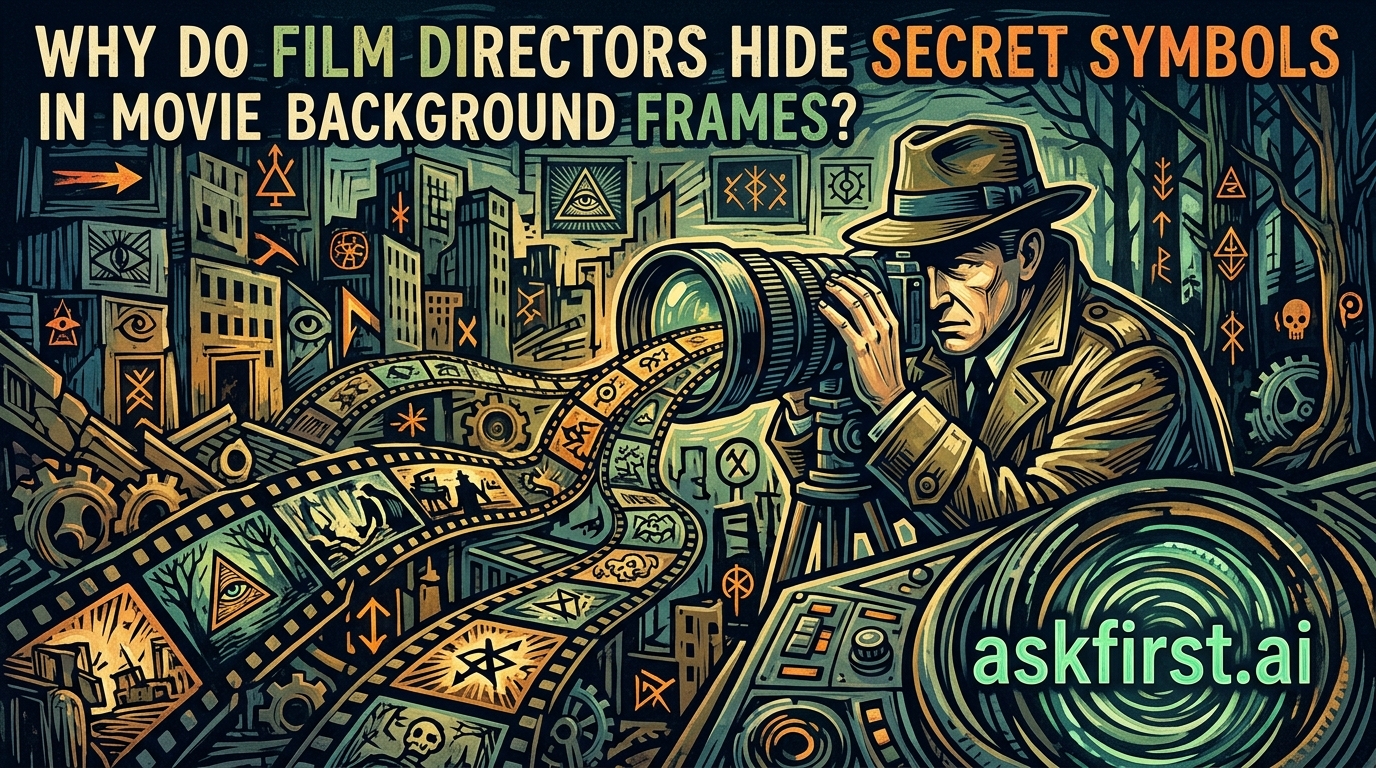
Directors often embed secret symbols, known as "Easter eggs," within background frames to transform movies into immersive, interactive puzzles. This practice is far more than mere artistic flair; it serves as a sophisticated communication tool between the filmmaker and the audience, rewarding the observant viewer and enriching the narrative layer by layer.
The Psychology of Engagement
At its core, the inclusion of hidden details exploits the psychological phenomenon known as the "Zeigarnik effect" and the innate human desire for discovery. When a viewer spots a subtle clue, they receive a dopamine hit, creating a bond of complicity with the creator. This practice transforms passive consumption into active participation. Filmmakers use these symbols to guide subtext, offer nods to inspirations, or even signal future plot developments that might go unnoticed on the first viewing.
Classic Examples and Techniques
Several renowned directors have built entire reputations on these cryptic visual cues:
- Alfred Hitchcock: Often considered the pioneer of the "cameo" and the subtle visual hint, his appearances were not just signatures but structural anchors for his suspenseful narratives.
- Pixar Animation Studios: Famous for the "A113" code—a reference to a classroom at the California Institute of the Arts—which appears in nearly every film produced by the studio, acts as a tribute to the roots of their animators.
- David Fincher: Known for his meticulous nature, he frequently hides symbols like the Starbucks cup in Fight Club, which appears in almost every scene to comment on corporate consumerism.
Narrative Depth and World-Building
Beyond simple "fun," these symbols serve essential world-building functions. By placing specific artifacts in the background—a portrait in a hallway, a book on a shelf, or a fleeting reflection—directors provide "environmental storytelling." This method allows for complex exposition without slowing down the pacing with heavy dialogue. It provides a dense, lived-in feeling to the universe, suggesting that the film's reality exists beyond the immediate frame of the camera. When viewers realize that every prop has been curated with intentionality, they naturally increase their focus, leading to repeat viewings and deeper discussions on social platforms, which ultimately bolsters the film's legacy and long-term cultural relevance.
Conclusion: The Persistence of Mystery
In an age where content is consumed rapidly, these hidden layers offer an "evergreen" quality to cinema. They demand patience and attention, ensuring that a movie can be rediscovered years later. As technology advances, allowing for 4K and 8K scrutiny, the tradition of burying secret symbols persists because it honors the intelligence of the audience, turning the cinematic experience into a lifelong hunt for hidden truths.