The Psychological Depth Behind Post-Series Blues
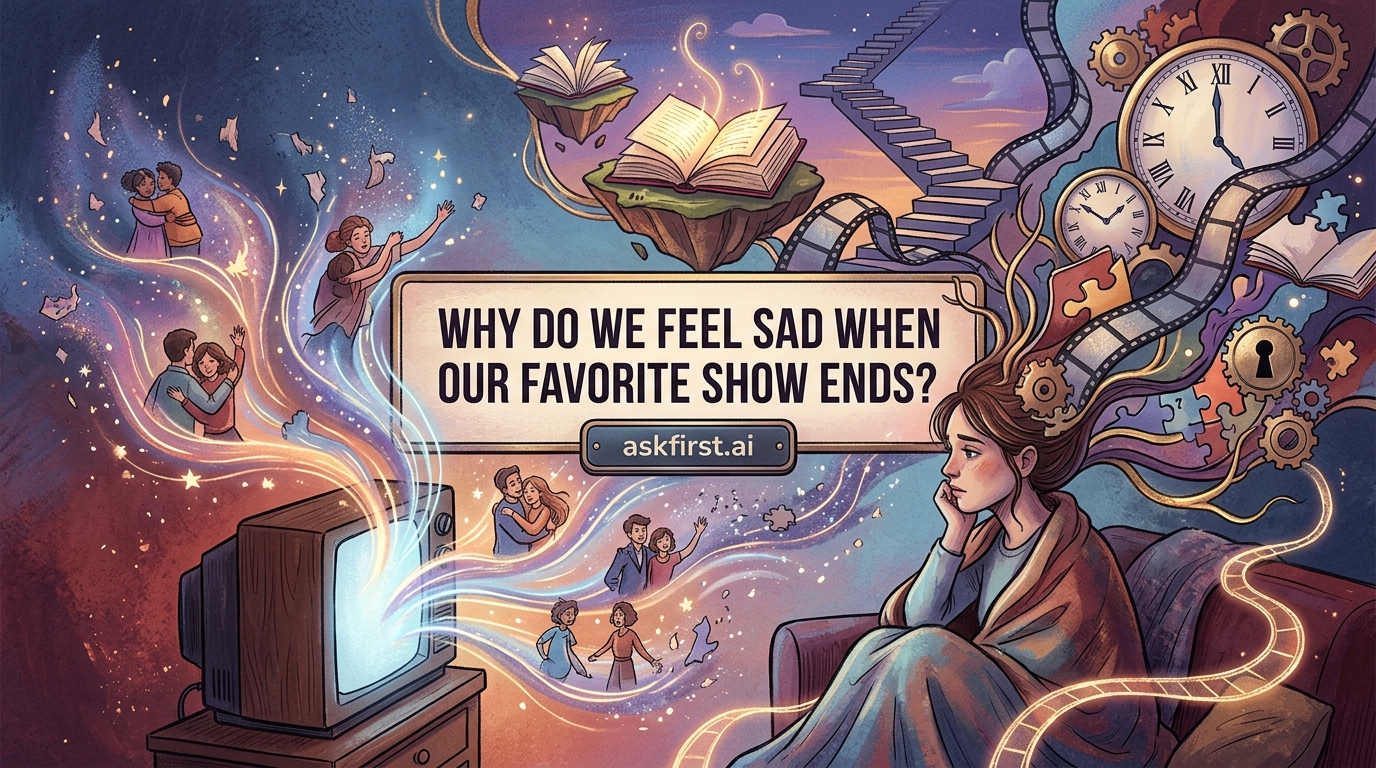
When the credits roll on the final episode of a beloved television series, viewers often experience a profound sense of loss, a phenomenon colloquially known as "post-series depression" or "post-series blues." While this emotional reaction might seem trivial to some, psychologists suggest it is rooted in deep-seated human evolutionary and social mechanisms. The brain often struggles to distinguish between the artificial social bonds formed with fictional characters and real-life interpersonal relationships.
The Illusion of Social Connection
Human beings are innately wired for social interaction. We are social animals who thrive on community, shared experiences, and emotional intimacy. When we invest hundreds of hours into a television series, we engage in what psychologists call a parasocial relationship. These are one-sided relationships where the viewer develops feelings of intimacy, attachment, and even friendship toward a fictional persona.
- Cognitive Investment: Our brains devote significant cognitive resources to tracking the motivations, personality traits, and growth of these characters.
- Emotional Resonance: We experience the character's triumphs and tribulations as if they were happening to a friend. When a show ends, the immediate loss of these frequent, reliable social encounters mimics the sensation of an actual social withdrawal.
The Role of Routine and Cognitive Schemas
Television shows provide a structured framework for our leisure time. Our brains crave routine and predictability, as these patterns conserve energy and reduce stress. A long-running show acts as a "cognitive anchor." When that anchor is removed, the brain must adjust its established patterns and routines, leading to a sense of disorientation.
Research indicates that our minds categorize long-form narratives into stable schemas. When a story concludes, these schemas are forced to "close." The absence of future narrative developments creates an information void. Because our brains are pattern-recognition engines, they find the sudden cessation of a familiar pattern uncomfortable and jarring.
The Mirror Neuron Effect
Human biology plays a significant role in this attachment. Mirror neurons are specialized cells in the brain that fire both when we perform an action and when we observe someone else performing the same action. This neural mirroring allows for empathy and deep emotional connection. As we observe characters navigating complex human challenges, our own neural circuits mirror their joy, sorrow, and growth. Consequently, saying goodbye to a character who has effectively "lived" inside our neural pathways feels like a legitimate personal parting.
Ultimately, feeling sad when a show ends is a testament to the powerful capacity of human empathy. It demonstrates our innate ability to find meaning, comfort, and human-like connection in stories. Rather than seeing this as a sign of detachment from reality, it can be viewed as an indication of a vibrant, healthy, and highly engaged imagination capable of bridging the gap between fiction and emotion.