The Hidden Palette: Decoding Cinema Color Psychology
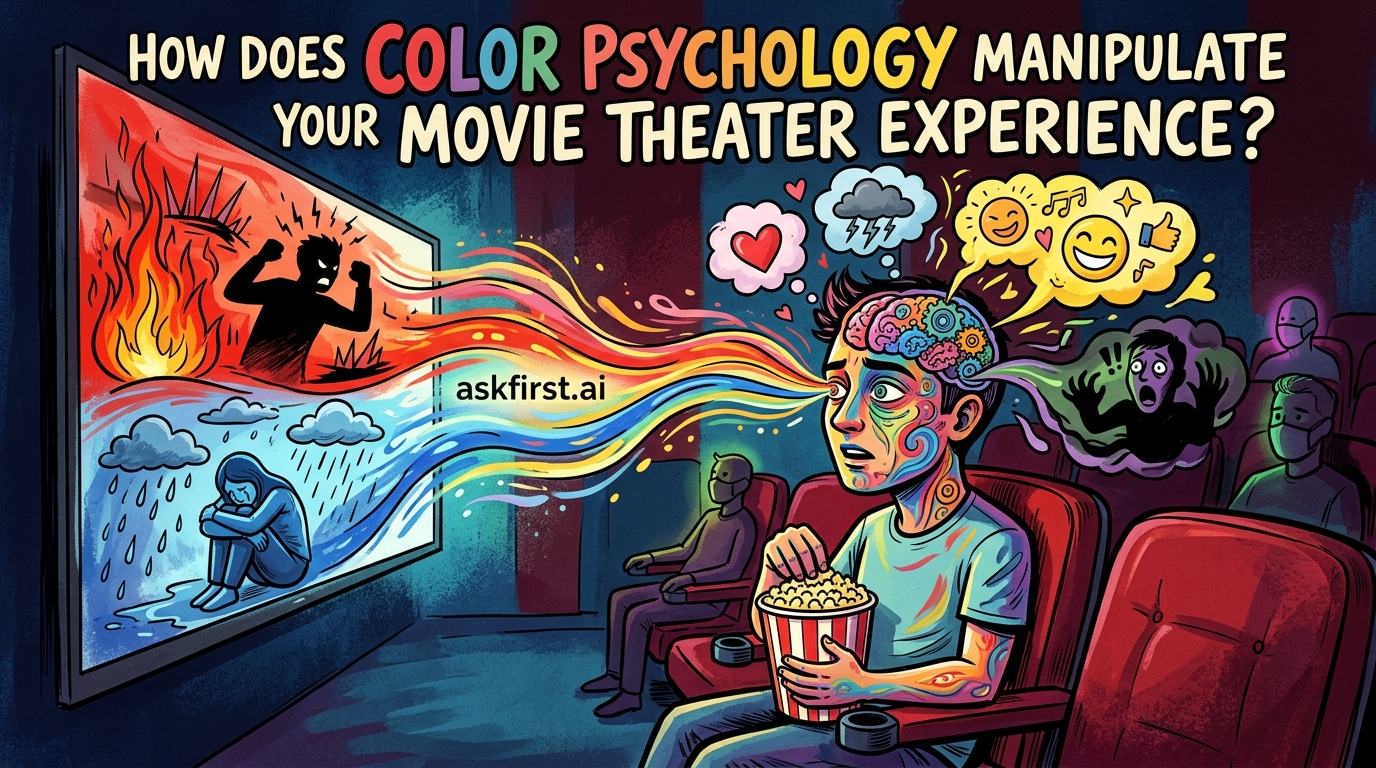
Movie theaters are highly engineered environments where every aesthetic choice is calculated to govern viewer behavior and emotional reception. Color psychology acts as a silent architect, subtly shifting subconscious states to deepen immersion and influence ticket sales.
The Psychology of the Lobby
Walk into a modern cinema and notice the dominance of warm, vibrant colors. Red, orange, and gold are frequently utilized in lobby designs. Research in sensory marketing indicates that warm tones increase heart rate and stimulate hunger, directly benefiting concession sales. This energetic palette prepares the audience to be receptive to high-energy stimuli, shifting them away from the calm, neutral environment of the outside world.
The Sanctuary of the Auditorium
Conversely, the auditorium environment demands a different psychological approach. Once inside the theater, the color palette shifts toward deep blues, dark purples, or neutral charcoals. These "receding" colors are vital for several reasons:
- Visual Focus: Darker walls prevent light reflection, forcing the eye to focus entirely on the luminous screen.
- Psychological Calm: Blue hues are proven to lower physiological arousal and stress levels. By inducing a state of calm, these colors make viewers more prone to "suspension of disbelief," allowing them to detach from reality and fully engage with the narrative.
- Spatial Perception: Dark, cool colors make walls feel as if they are falling away, expanding the perceived size of the room and preventing the claustrophobic anxiety that might occur in a tight, crowded space.
Influencing Perception Through Design
Beyond simple calming effects, theaters use contrast to manage audience flow. Many venues use specific color-coding on flooring to subconsciously guide patrons toward exits or concession areas. For example, a brighter color trail will often lead the eye to high-margin purchase areas, effectively acting as a form of non-verbal navigation.
Furthermore, the interplay between the bright screen and the dark room creates a "tunnel vision" effect. By surrounding the bright, shifting colors of a film with a dark, achromatic void, the theater maximizes the impact of the movie’s color palette. According to the principles of chromatic induction, our perception of a film's brightness and color vibrancy is heightened when the surrounding environment lacks saturation. This is why a movie watched in a dark theater feels more vivid and emotionally potent than the same film viewed on a bright living room television.
By manipulating these visual inputs, cinemas masterfully transform a simple room into a psychological gateway. Every design choice is crafted to ensure the viewer remains focused, hungry, and emotionally pliable, transforming a standard viewing session into a deeply immersive and memorable psychological experience.