The Psychology of Parasocial Grief: Why Sitcom Finales Hurt
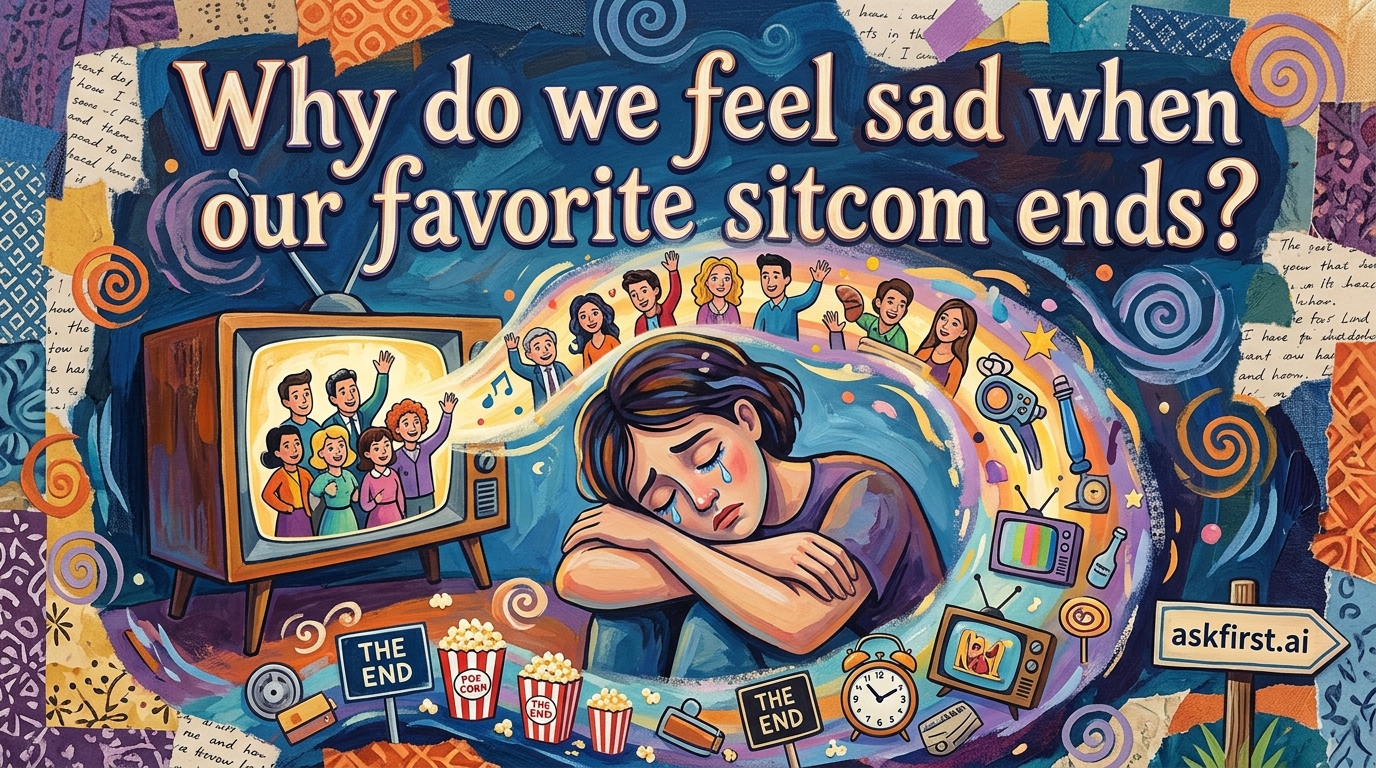
The feeling of sadness upon the conclusion of a beloved sitcom is a documented psychological phenomenon known as parasocial grief. While it may seem irrational to mourn fictional characters, this reaction is rooted in fundamental human social cognition and the way our brains process long-term narrative engagement.
1. The Science of Parasocial Relationships
At the core of this sadness is the parasocial relationship (PSR). Coined in 1956 by sociologists Horton and Wohl, this term describes the one-sided emotional bonds viewers form with media figures. Because the human brain evolved to process social cues and relationships in face-to-face environments, it often struggles to distinguish between "real" social interactions and the repetitive, intimate exposure provided by a sitcom.
- Consistency: Sitcoms often run for years, appearing in our homes weekly. This creates a sense of "relational continuity."
- Intimacy: We see characters in their most private moments—waking up, arguing, and evolving—which mimics the development of real-world friendships.
- Emotional Investment: We invest our time and empathy into their arcs, making their "lives" feel as significant as those of our actual peers.
2. Why Sitcoms Specifically?
Sitcoms are uniquely positioned to trigger this grief compared to dramas or action films. Their episodic nature creates a "comfort zone." By design, sitcoms emphasize stability, recurring settings, and predictable dynamics. When a series finale occurs, it shatters this stability, forcing a permanent separation from a "safe space" that served as a source of emotional regulation and escapism.
3. The Grief Process
When a show ends, viewers often cycle through the Stages of Grief (Kübler-Ross model):
- Denial: Hoping for a reboot, a spin-off, or a "secret" final season.
- Anger: Frustration with the writers for the direction of the finale or the decision to cancel the show.
- Bargaining: Re-watching the series from the beginning in an attempt to "keep the characters alive."
- Depression: The genuine lethargy and melancholy associated with the loss of a routine.
- Acceptance: Eventually moving on to new media or finding comfort in the legacy of the show.
4. Practical Guide: Managing "Post-Show Blues"
If you are struggling with the conclusion of a favorite series, consider these strategies:
- The "Buffer" Period: Avoid jumping into a new show immediately. Allow yourself time to process the ending.
- Community Engagement: Join forums or fan groups. Discussing the finale with others validates your feelings and proves you are not alone.
- Creative Outlet: Write fan fiction or engage in fan art. Channeling your emotions into creation helps process the attachment.
- The Pivot: Once ready, find a show with a similar "vibe" or tone to transition slowly, rather than seeking a direct replacement.
5. Future Trends and Digital Evolution
As we enter the era of AI-driven narrative and immersive VR content, parasocial relationships are predicted to intensify. Future entertainment may allow for "interactive" character relationships, potentially making the eventual "end" of a digital character even more psychologically impactful. As our digital and physical worlds blur, understanding these emotional bonds is essential for maintaining healthy media consumption habits.