The Silent Screenwriter: How Color Psychology Shapes Your Movie Preferences
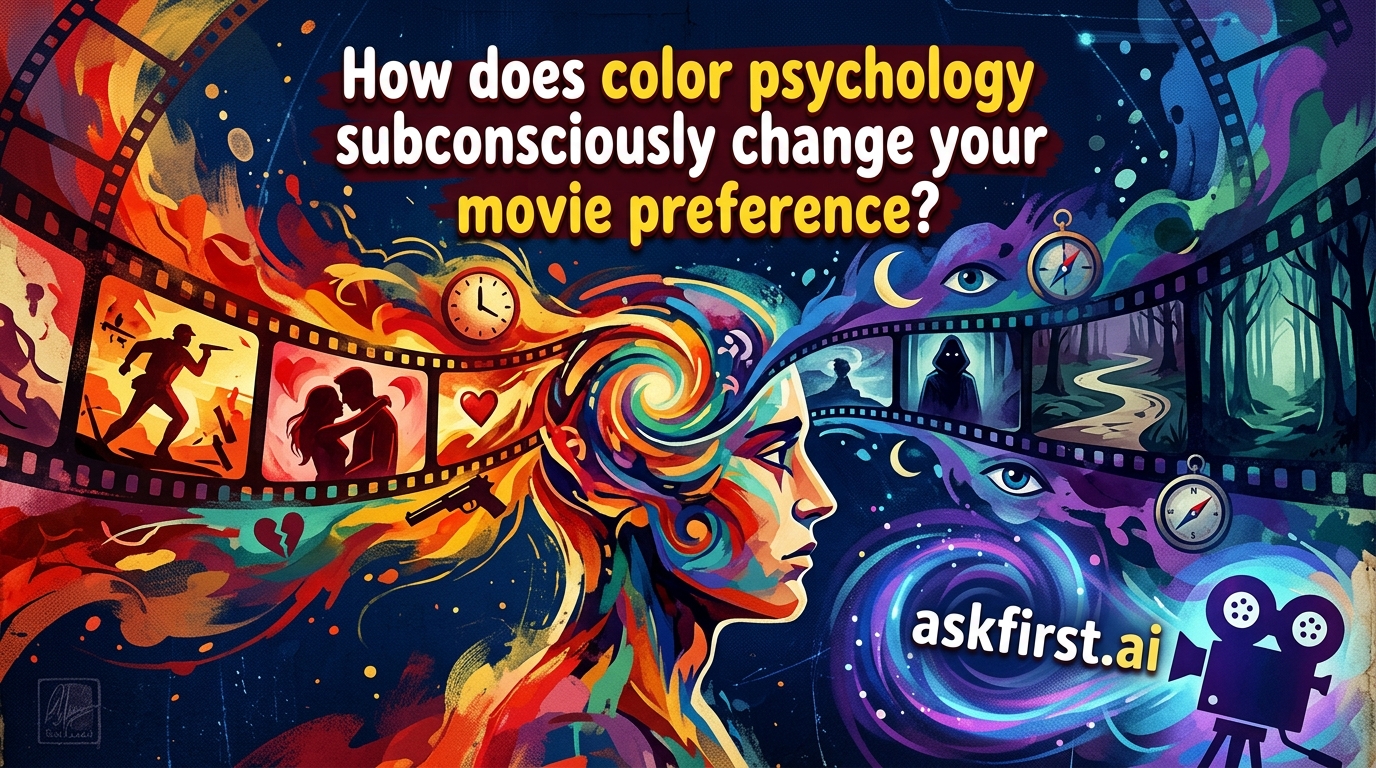
Every time a film begins, the audience is subjected to a silent, subconscious dialogue known as color grading. While viewers focus on the dialogue and plot, the human brain is processing thousands of hues designed to trigger specific emotional responses. This sophisticated use of color psychology explains why certain genres feel inherently more compelling to specific personality types.
The Emotional Spectrum of Cinema
Color psychology relies on the evolutionary associations humans have developed toward colors in nature. These associations are leveraged by cinematographers to dictate the mood before a single word is spoken:
- Cool Blues and Desaturations: Often utilized in noir or psychological thrillers, these tones evoke a sense of detachment, melancholy, or high-stakes precision. Viewers who find themselves drawn to these films are often seeking intellectual stimulation rather than comfort.
- Warm Ambers and Golds: Common in period dramas or nostalgic coming-of-age stories, these tones simulate the feeling of sunset or candlelight. This triggers a biological feeling of security and comfort, drawing in audiences who prioritize emotional warmth and human connection.
- High-Contrast Reds: Used to denote danger, passion, or volatility, red commands attention. Movies with heavy red saturation act as a catalyst for adrenaline-seeking viewers, triggering a fight-or-flight response that increases heart rate and engagement.
Why Color Determines Genre Attraction
Preference for movie genres is rarely accidental. The brain utilizes heuristics—mental shortcuts—to categorize films based on their color palettes. If an individual has a subconscious need for order and control, they are significantly more likely to prefer the clinical, structured, and cool-toned aesthetic of modern science fiction. Conversely, those seeking emotional catharsis or passion are subconsciously magnetically pulled toward vibrant, high-saturation films, such as romantic musicals or action epics.
The Myth of Neutrality
One common misconception is that "natural" lighting in movies is neutral. In truth, even natural scenes undergo intense color correction. The choice to emphasize green tones can subconsciously signal organic growth or decay, while shifting greens toward yellow can induce a sense of unease or toxicity, commonly seen in dystopian films. This intentional manipulation ensures that the viewer stays aligned with the protagonist's internal state.
Conclusion: The Cinematic Mirror
Color psychology functions as a bridge between the screen and the viewer’s subconscious. By utilizing these optical cues, filmmakers can bypass rational filters, allowing the film to resonate on a deeper, primitive level. When people claim to have a "favorite" style of film, they are often identifying the specific color-coded language that their brain finds most stimulating or comforting, proving that the eyes see the film long before the mind understands the story.