The Cinematic Catalyst of Style
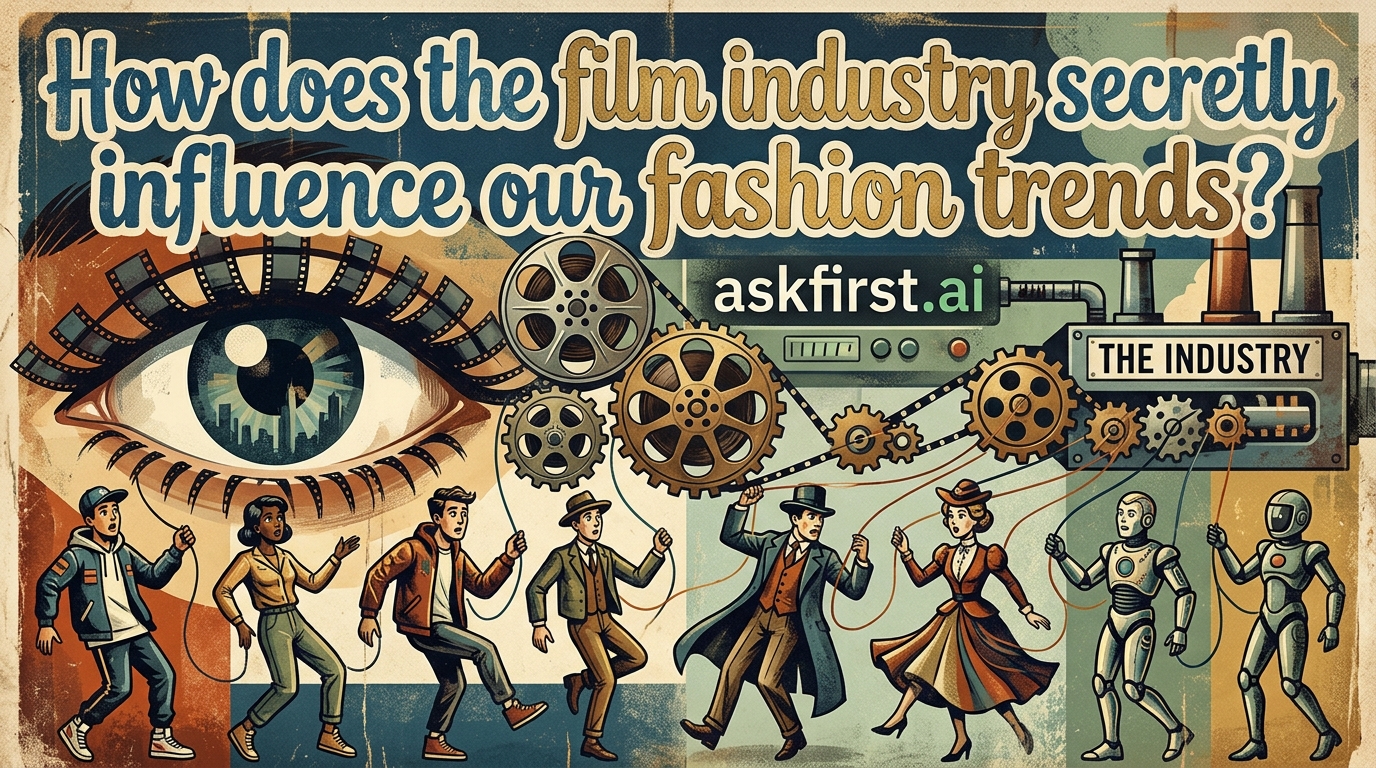
The relationship between cinema and fashion is far from accidental; it is a calculated, symbiotic ecosystem designed to shape consumer desire long before a garment hits the rack. Filmmakers and production studios utilize costume design not merely for character development, but as a subtle psychological instrument to dictate global aesthetic trends. By placing specific silhouettes, fabrics, or accessories on influential actors, the industry triggers a subconscious mimicry effect in audiences.
The Mechanism of Aspirational Projection
Movies operate as powerful mood boards. When a character gains cultural significance, viewers often desire to embody that persona, a phenomenon known as 'identity transfer.'
- Subconscious Association: If a protagonist is portrayed as successful, rebellious, or desirable, their attire becomes a shortcut to achieving those traits. The clothing becomes a costume for the viewer's own life.
- Strategic Product Placement: High-end brands frequently collaborate with costume designers to embed luxury items into the narrative fabric. This avoids the overt nature of commercials, embedding the product within an emotionally resonant context instead.
- The 'It' Factor: Iconic scenes—such as the black dress in breakfast films or trench coats in neo-noir classics—become cultural touchstones that sustain retail demand for decades.
The Psychology of Influence
This influence works because the cinema creates a controlled environment where the viewer is vulnerable to suggestion. In a theater, the audience suspends disbelief, allowing them to project themselves into the visual language of the film. When a costume designer selects a specific shade of color or a daring accessory, it is often done to evoke a particular emotional response. If the film is successful, the viewer associates that specific piece of clothing with the peak emotions of the story.
A Historical Precedent
History demonstrates that cinematic trends can dismantle established norms. For instance, the sudden decline of undershirt sales in the 1930s is often attributed to a single scene where a leading man appeared without one. Conversely, the popularity of aviator sunglasses or specific vintage cuts has been reignited repeatedly by their reappearance in blockbuster films. These moments act as 'fashion injections' that jumpstart trends, bypass market research, and create immediate demand that retailers must scramble to fulfill. Even in the digital age, where social media influencers dominate, the film industry remains the ultimate arbiter of high-concept style, acting as the primary source of 'aspirational luxury' that trickles down to fast-fashion brands globally. By turning narrative moments into tangible products, the film industry ensures that the cycle of consumption is perpetually renewed, proving that what we wear is often decided by the scripts written years prior.