Decoding Professional Bonds: Is It Friendship or Status-Seeking?
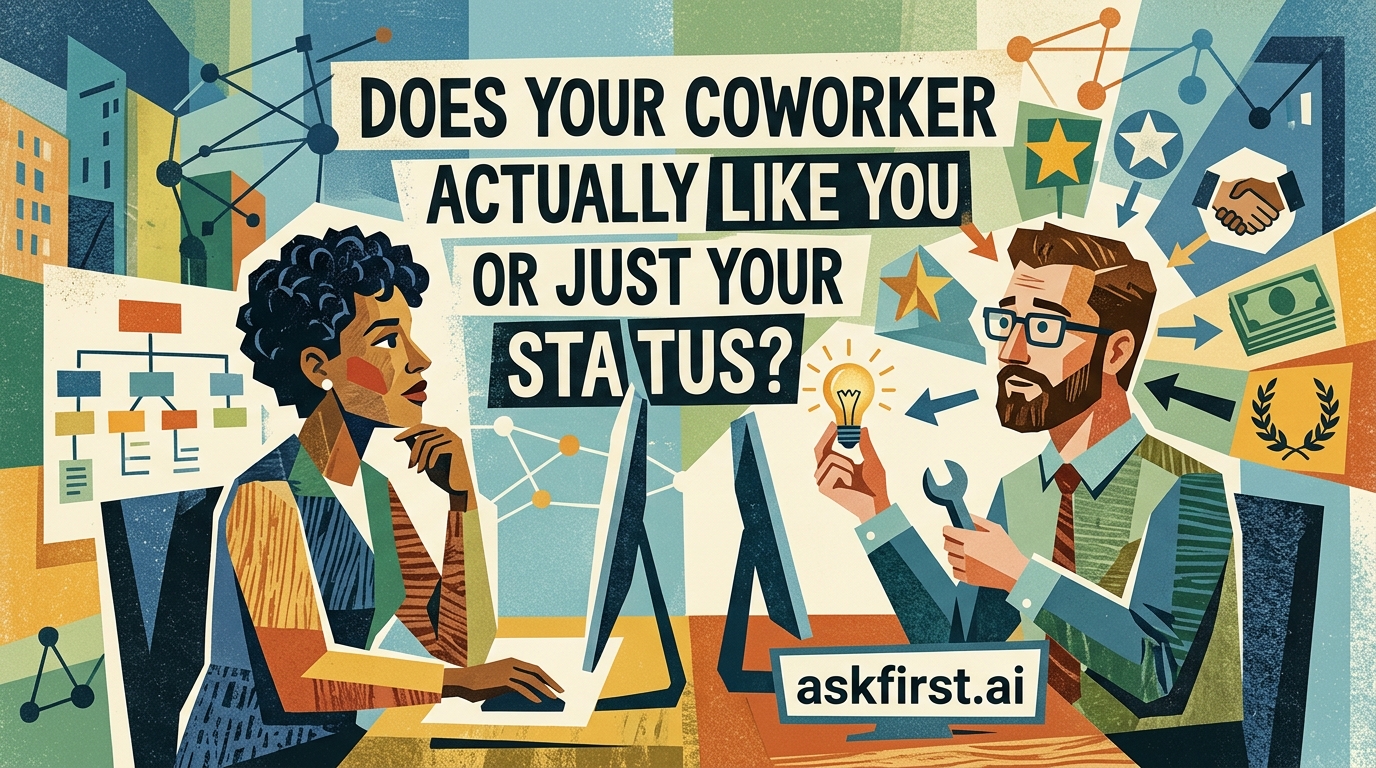
Navigating the complex landscape of workplace dynamics often feels like walking a tightrope between genuine connection and strategic posturing. To determine whether a colleague genuinely values the person behind the professional role or simply views the relationship as a leverage point, one must look beyond the surface level of office politeness.
The Psychology of Instrumental Friendships
Sociological research frequently highlights the concept of instrumental friendship, where professional interactions are driven by the utility of the relationship rather than interpersonal affection. When a colleague consistently aligns their attention with the hierarchy of the organization, it serves as a red flag. Those seeking status often display what psychologists term 'upward affiliation,' focusing efforts almost exclusively on individuals who hold decision-making power, control resources, or manage high-profile projects.
Signs of Status-Seeking Behavior
To identify if the interest is superficial, consider these observable patterns:
- Transactional Engagement: Interactions typically occur only when a project is at stake or a request for resources is necessary. If the communication drops off entirely during downtime, the relationship is likely functional rather than personal.
- Selective Accessibility: A status-seeker may ignore social cues or invitations that do not promise career advancement. Observe how they treat others of different professional ranks; consistency in character is a hallmark of genuine people.
- Mirroring and Echoing: While some mirroring is a subconscious sign of rapport, deliberate, excessive agreement with ideas, especially those originating from superiors, often indicates a desire to be associated with influence rather than a genuine appreciation for the content of the ideas.
The Litmus Test: The 'No-Benefit' Scenario
One of the most effective ways to gauge the depth of a relationship is to test the waters outside of the professional power dynamic. Does the conversation continue when the project is over? Does the coworker show genuine interest in personal milestones that offer no strategic advantage? If the answer is yes, there is a strong probability that the foundation is built on more than just status.
Cultivating Authentic Connections
Building authentic connections requires vulnerability, which status-seekers often avoid for fear of appearing weak or unprofessional. Sharing personal stories, admitting to minor failures, or engaging in hobbies unrelated to work can break the 'professional armor.' A true friend will respond to this humanization with openness, whereas a status-seeker will often feel uncomfortable or shift the conversation back to productivity and goals.
Ultimately, workplace relationships can be a hybrid of both professional support and genuine friendship. The goal is not to be paranoid but to possess the emotional intelligence to distinguish between someone who values the individual's contributions and character, and someone who merely views the individual as a rung on their own career ladder.