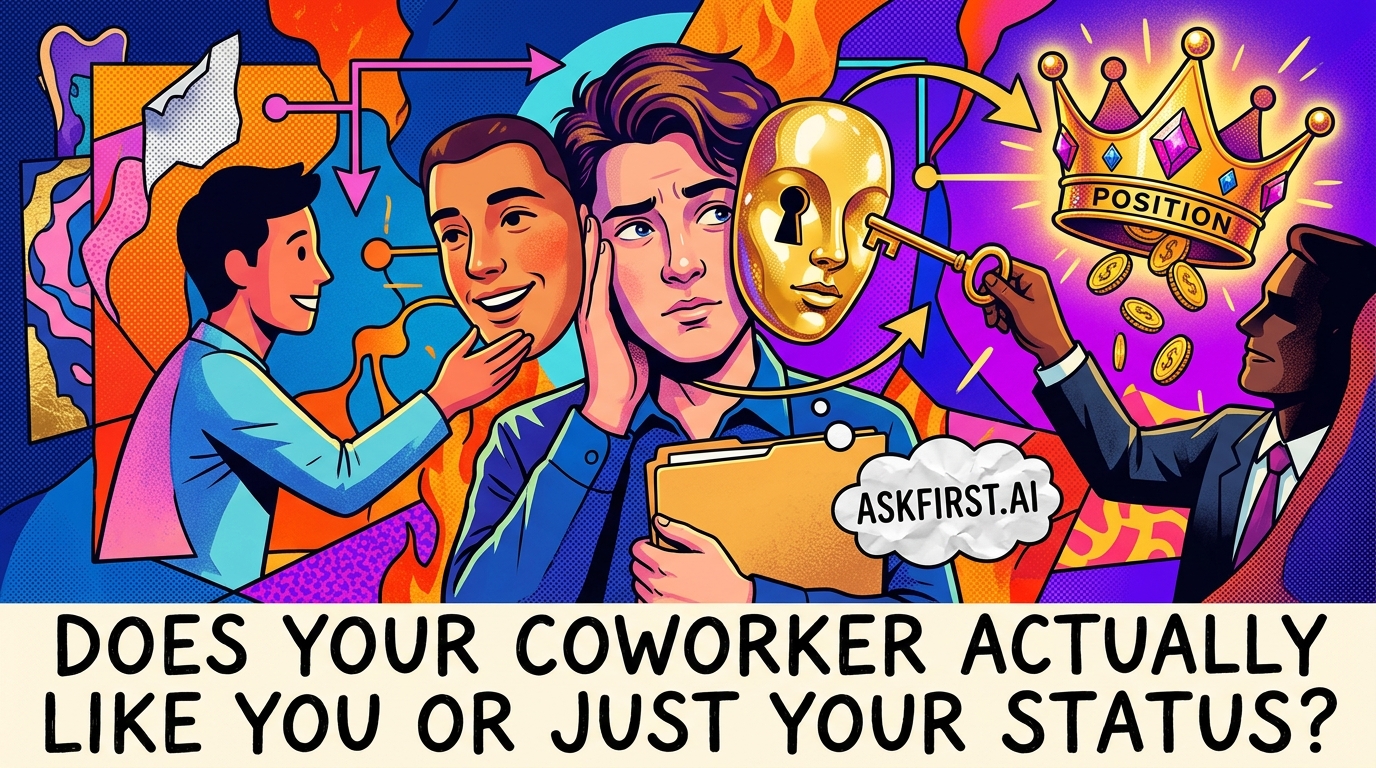
Unmasking Office Dynamics: Are They Friends or Social Climbers?
Navigating the complex landscape of professional relationships often leads to a persistent, nagging question: is that friendly office acquaintance genuinely invested in the individual, or are they merely orbiting a perceived professional status? Deciphering these intentions is essential for maintaining psychological boundaries and fostering authentic connections in the workplace.
The Psychology of Social Climbing
In hierarchical environments, individuals often employ instrumental networking, a behavior characterized by seeking relationships solely for professional gain. Researchers like Adam Grant have highlighted the distinction between "givers" and "takers" in the workplace. While givers offer support based on altruism, takers often strategically select peers based on their proximity to power, budget authority, or influence over promotions. If a coworker displays sudden interest only when a project succeeds or a promotion is announced, it serves as a red flag that their motivation may be status-linked rather than personality-linked.
Behavioral Indicators of Authentic Connection
To determine if a relationship transcends status, examine the consistency of the interaction. Authentic bonds thrive outside the office walls or during moments of vulnerability. If the relationship remains strictly confined to professional achievements or work-related gossip, the connection is likely transactional. Observe the following indicators:
- Reciprocity in Vulnerability: Genuine friends are comfortable sharing non-work frustrations or personal triumphs. Takers often avoid genuine vulnerability, preferring to keep the interaction centered on performance metrics.
- Support During Lows: Status seekers often distance themselves when a peer faces professional hardship. A true friend remains supportive when the status is temporarily diminished.
- Interest Beyond the Desk: Does the individual express curiosity about hobbies, values, or life goals unrelated to company objectives? If they only reach out when needing a favor, the motivation is clearly utilitarian.
The Consistency Test
One of the most effective ways to reveal intent is through the "Low Status Test." Occasionally, discuss minor mistakes or challenges rather than victories. Observe whether the coworker's level of enthusiasm and attentiveness shifts. If they seem bored or suddenly busy during a conversation about a personal hurdle, they are likely attracted to the social capital provided by the position, not the person filling the seat.
Cultivating Authentic Boundaries
Maintaining a professional facade is healthy, but safeguarding personal energy is vital. Limit the amount of personal information shared with those who only appear during peak professional success. Focusing on shared values rather than shared status helps filter out fair-weather colleagues. By observing patterns rather than isolated incidents, the reality of the relationship becomes clear, allowing for more authentic and sustainable professional development.