The Blueprint for Freelance Success: Your Comprehensive Launch Guide
Freelancing has evolved from a niche alternative to a mainstream pillar of the global economy. As of 2026, over 40% of the professional workforce participates in some form of independent contract work. To successfully transition into freelancing, one must treat their career not as a job, but as a lean startup.
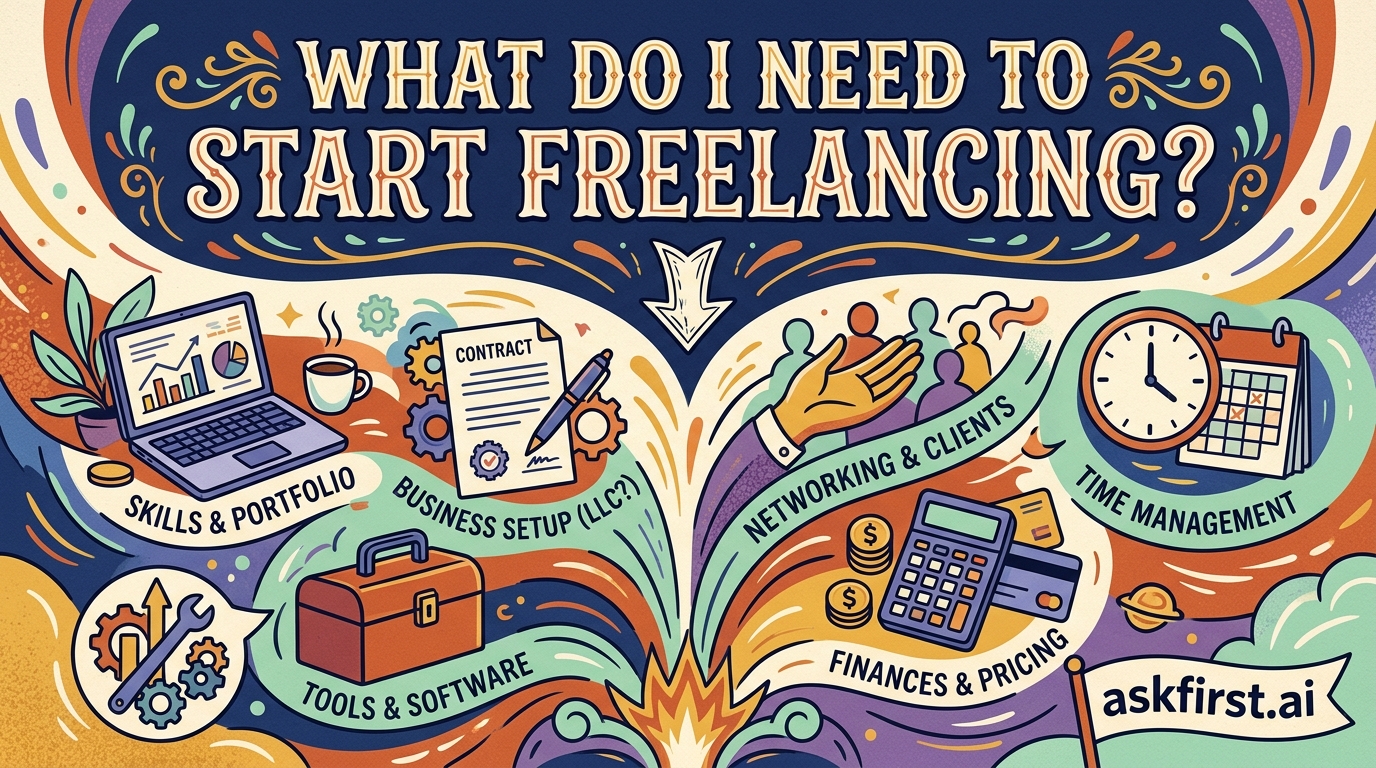
1. The Foundational Pillars
Before soliciting your first client, you must establish a professional infrastructure. This involves three critical components:
- Skill Audit and Niche Selection: Identify a high-demand skill (e.g., software development, copywriting, graphic design, or project management). Specialization is key; generalists often compete on price, while specialists compete on value.
- Legal and Financial Setup: Depending on your jurisdiction, you may need to register as a sole proprietor or an LLC. Open a dedicated business bank account to separate personal and professional finances—this is non-negotiable for tax compliance.
- The "Minimum Viable Portfolio": You do not need years of experience. You need proof of competence. If you lack professional work, create "spec" projects that demonstrate your ability to solve specific client problems.
2. Essential Toolkit
Your digital workspace is your office. To operate efficiently, you should invest in:
- Project Management Software: Tools like Notion, Trello, or Asana to track deliverables.
- Invoicing and Accounting: Platforms like FreshBooks or QuickBooks automate tax tracking and payment reminders.
- Communication Suite: Reliable video conferencing (Zoom/Google Meet) and professional email hosting.
- Contract Templates: Never start work without a signed contract. Use platforms like HelloSign or DocuSign to protect your scope of work and payment terms.
3. Practical Steps to Launch
- Step 1: Set Your Pricing Strategy. Research market rates for your niche. Avoid hourly billing if possible; move toward value-based pricing, where you charge for the outcome produced rather than the time spent.
- Step 2: Build an Online Presence. A simple, professional website is mandatory. It should feature your services, a portfolio, and a clear "Call to Action" (CTA).
- Step 3: Client Acquisition. Start by leveraging your existing network. Reach out to former colleagues and friends. Simultaneously, optimize your LinkedIn profile to reflect your new freelance identity.
4. Pros and Cons of the Freelance Life
The Advantages
- Autonomy: You control your schedule, your projects, and your environment.
- Income Potential: Without a salary cap, your earnings are directly tied to your efficiency and market demand.
- Diverse Experience: Exposure to various industries accelerates skill acquisition.
The Challenges
- Irregular Cash Flow: Income volatility is the primary cause of freelance burnout. Build an "emergency fund" covering 3–6 months of expenses.
- Self-Management: You are the CEO, the sales team, and the IT department. Discipline is required to manage administrative tasks alongside billable work.
- Isolation: The lack of a physical office can be taxing; prioritize networking and community engagement.
Future Trends
The rise of AI-augmented workflows is currently reshaping freelancing. Successful freelancers are now using generative AI to automate routine tasks, allowing them to focus on high-level strategy and creative problem-solving. Embracing these tools is no longer optional; it is a competitive necessity. By staying agile, maintaining a rigorous financial discipline, and focusing on client value, you can build a sustainable and lucrative freelance career.