The Psychology of Connection: Why Consumers Crave Anthropomorphic Brands
Human beings are hardwired for social connection. Evolution has conditioned the brain to seek out reliable, predictable, and supportive interactions, a biological imperative that now extends to the marketplace. When a brand adopts a "human" persona, it bypasses the traditional filters of commerce and engages the brain's social cognition circuits.
The Neuroscience of Trust
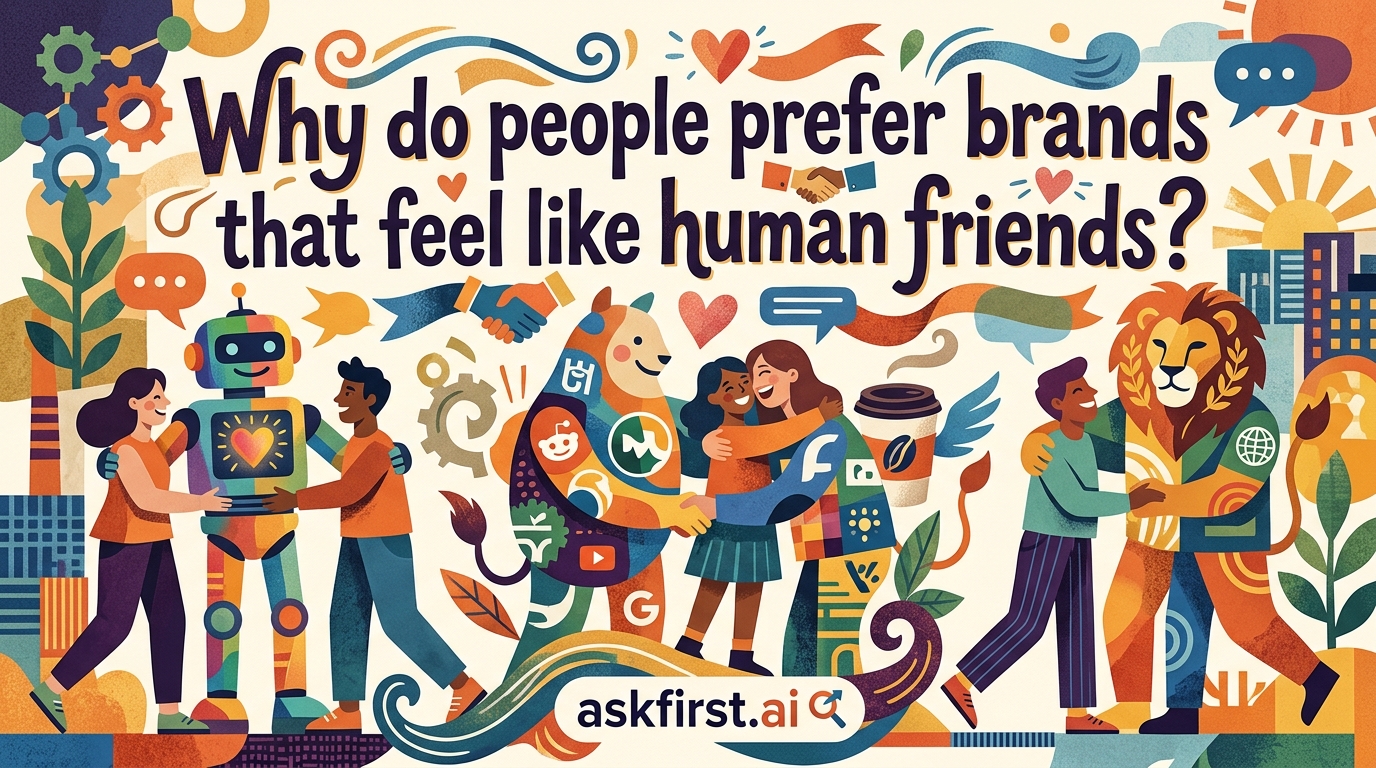
At the core of this preference is the concept of anthropomorphism, the attribution of human characteristics to non-human entities. When consumers view a brand as a friend, the brain activates regions associated with social bonding, such as the prefrontal cortex and the mirror neuron system. This creates a psychological shortcut; instead of evaluating the brand through a complex, logical framework, the brain processes the interaction through the lens of interpersonal familiarity. Research suggests that when a brand exhibits personality traits—humor, empathy, or reliability—the consumer is less likely to perceive the relationship as transactional.
Key Drivers of "Friendship" Branding
Several psychological mechanisms explain why these brands command higher loyalty and deeper emotional investment:
- Relatability and Authenticity: Brands that share values, voice concerns, and display vulnerability are perceived as authentic. Much like a human friend who reveals their flaws, a brand that admits mistakes or takes a stand on issues builds a unique bond that "perfect" corporate entities cannot replicate.
- Reduced Cognitive Load: Making choices is mentally exhausting. By aligning with a brand that feels like a friend, the consumer establishes a "default" preference. This heuristic simplifies the purchasing process, as the consumer relies on the perceived relationship to validate the decision rather than conducting extensive comparative research.
- Predictability and Reliability: A fundamental aspect of friendship is consistency. When a brand delivers a consistent, positive experience over time, it establishes a sense of security. This predictability reduces anxiety regarding the purchase, fostering long-term loyalty.
The Role of Social Identity
People also use brands to construct and express their identity. If a consumer views their favorite brand as an extension of their friend circle, that brand becomes a badge of social belonging. In the modern, digital-first landscape, these "friendship" relationships serve as anchors for community building. Brands that facilitate human-like interaction effectively become tribes, providing consumers with a sense of purpose, shared language, and social validation.
Conclusion
Ultimately, the preference for anthropomorphic brands is rooted in the fundamental human desire for belonging. By humanizing their operations, companies transition from being mere vendors to becoming reliable partners in the consumer's journey. This shift represents the pinnacle of brand strategy, as it secures not just market share, but genuine human connection.