The Tribal Pulse: When Corporate Culture Mirrors Ancient Rites
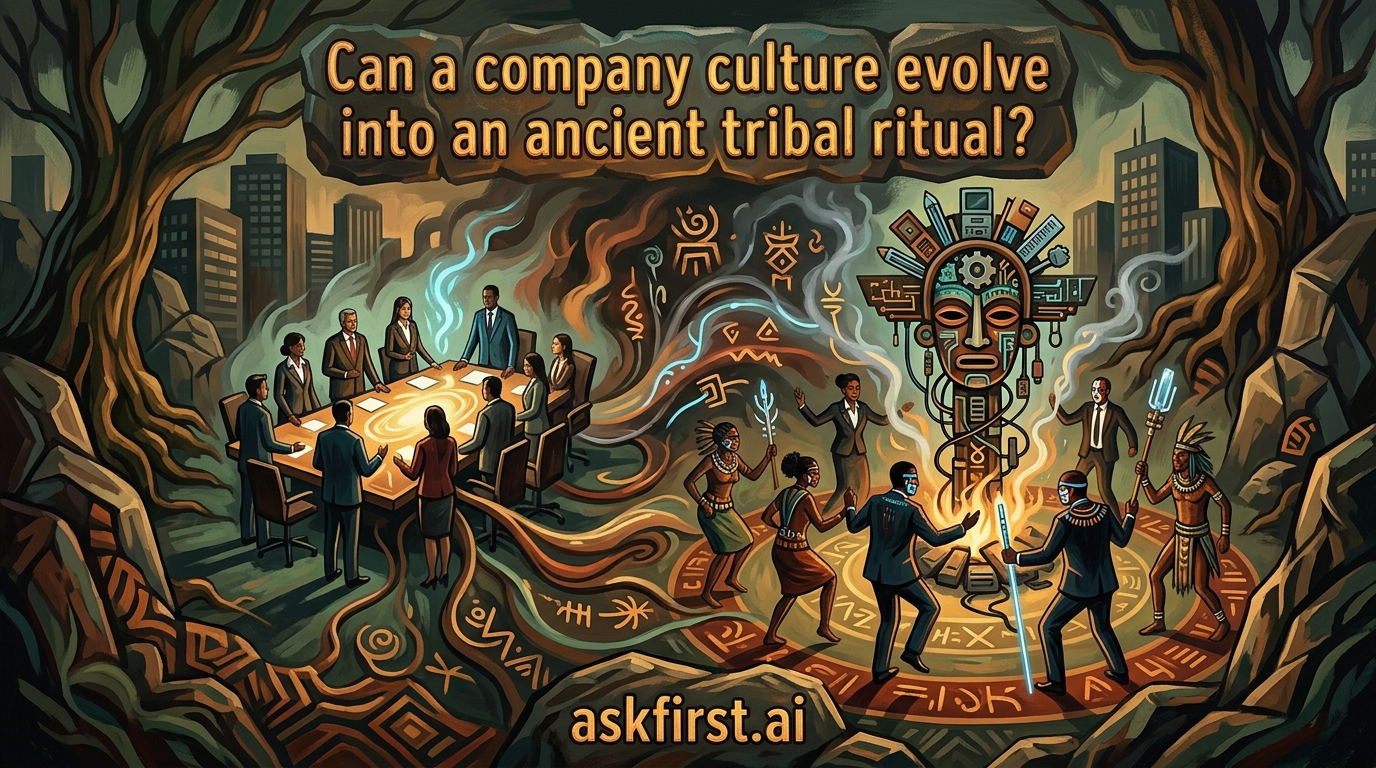
Corporate culture is often analyzed through the lens of productivity, yet a deeper look reveals that organizations function as modern tribes. Evolutionary psychology suggests that the human need for belonging drives groups to form complex behavioral patterns, frequently mirroring the structured rituals observed in ancient societies. When a company environment shifts from functional collaboration to rigid, symbolic repetition, it has effectively evolved into a modern tribal ritual.
The Psychology of Organizational Belonging
Anthropologists, such as Joseph Campbell, emphasized that rituals serve to bind groups together by creating a shared reality. In a professional setting, this manifests as:
- Initiation Rites: Onboarding processes that mirror the 'ordeal' of ancient transitions, testing an individual's commitment to the collective identity.
- Daily Totems: Symbols such as specific branded apparel, proprietary jargon, or exclusive office rituals that reinforce ingroup versus outgroup status.
- Cyclical Ceremonies: Annual performance reviews, quarterly town halls, and milestone celebrations act as seasonal festivals, marking the rhythm of the collective life.
Why Cultures Mirror Tribes
The transformation into a tribal state occurs when the psychological safety of the group depends on conformity to unwritten codes. When employees perform 'cultural signaling'—demonstrating dedication through specific behaviors rather than just tangible output—the organization transitions from a workspace to a belief system. This provides a sense of profound security, as the 'tribe' protects its members against the ambiguity of the market, much like ancient clans protected members from the wilderness.
The Risks and Rewards
While this tribal evolution fosters immense loyalty and resilience, it carries inherent dangers. Organizations must balance this deep connection with the necessity for innovation.
The Upside of Tribalism
- Hyper-Engagement: Employees are motivated by belonging rather than merely monetary gain.
- Shared Purpose: Decisions are made based on collective wisdom and intuition, speeding up cohesion.
The Downside of Tribalism
- Groupthink: The fear of challenging the 'tribal consensus' can lead to strategic blindness.
- Inflexibility: When rituals become more important than outcomes, the organization loses its ability to adapt to external change.
Balancing Rituals and Rationality
To manage this evolution, leadership must act as a 'cultural bridge.' It is essential to maintain the beneficial aspects of belonging while ensuring the 'rituals' serve the organization's strategic goals rather than replacing them. A healthy culture allows for new traditions to emerge that promote growth, rather than stagnating within ancient, rigid structures. By recognizing that human behavior is fundamentally social, leaders can harness the power of community without falling into the traps of exclusionary or stagnant ritualism. True excellence lies in creating a culture where rituals foster human connection and progress, rather than mere imitation of the past.