The Hidden Architecture of Career Triumph: Beyond the Visible Resume
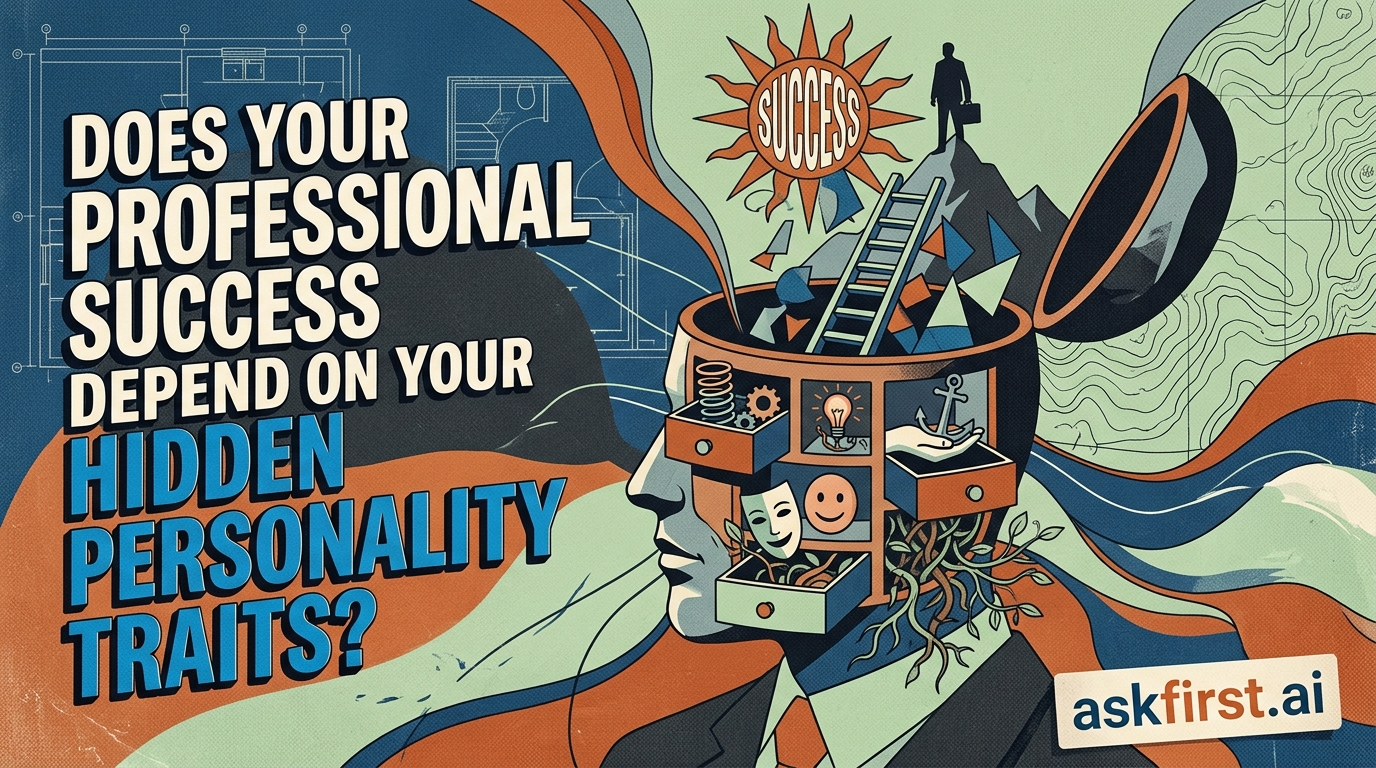
Success in the professional realm is often misattributed entirely to external accolades, degrees, and overt skill sets. However, modern organizational psychology suggests that the most profound drivers of career advancement are buried deep within the subconscious architecture of hidden personality traits. These internal mechanisms—often termed latent traits—function as the silent architects of workplace behavior and long-term trajectory.
The Psychology of Latent Predictors
Latent personality traits, such as trait curiosity, frustration tolerance, and social adaptability, exert a force that is disproportionately larger than standardized cognitive assessments. While intelligence quotient (IQ) provides the baseline for task proficiency, these deep-seated traits dictate how an individual recovers from failure or adapts to shifting market paradigms. For instance, the trait of 'growth mindset,' as championed by research from Carol Dweck, serves as an invisible anchor that prevents professional burnout by reframing obstacles as data points rather than catastrophic barriers.
Core Pillars of Hidden Professional Potential
To understand the role of these traits, one must categorize how they influence daily operations:
- Resilience Cascades: The ability to regulate emotional responses in high-stakes environments. This is not mere stoicism but a dynamic ability to process stress without compromising cognitive function.
- Cognitive Flexibility: Often obscured by routine, this trait involves the capacity to switch mental modes between disparate concepts. It is the silent engine of creative innovation.
- Social Vigilance: This involves the non-conscious monitoring of group dynamics and organizational politics. It determines how effectively an individual navigates interpersonal hierarchies.
The Counter-Intuitive Truth
Common myths suggest that success is a product of relentless extroversion or aggressive self-promotion. Yet, data consistently demonstrates that 'quiet' traits—such as intellectual humility—frequently predict higher leadership effectiveness over long durations. Intellectual humility allows an individual to recognize the limits of their own knowledge, fostering a collaborative atmosphere that attracts superior talent. Furthermore, the trait of 'conscientiousness,' often overlooked in favor of charisma, remains the single most significant predictor of longitudinal career longevity across all industries.
Cultivating the Invisible
Unlike fixed cognitive abilities, hidden traits possess a degree of plasticity. Through deliberate behavioral feedback loops and intentional environmental exposure, professionals can strengthen their latent capabilities. By identifying these deep-seated tendencies, individuals transition from being reactive participants to architects of their own career destiny. In the final analysis, professional success is less about the mask one wears to fit into a corporate culture and more about the internal alignment of these subconscious pillars with the demands of the environment. Recognizing these hidden factors is the ultimate competitive advantage for the modern professional seeking enduring impact.