The Evolutionary Drive of Pattern Recognition
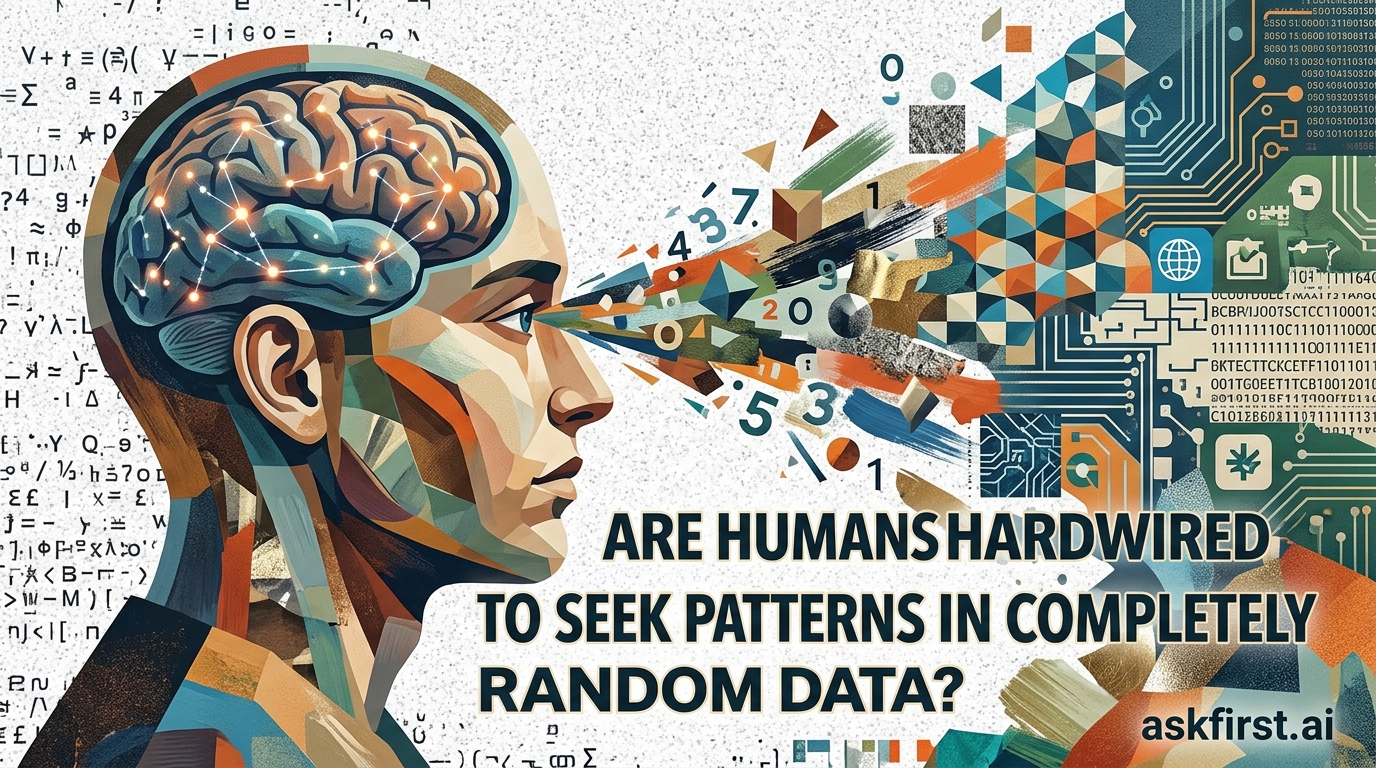
Human cognition is fundamentally built upon the architecture of pattern recognition. From the moment of birth, the brain acts as an advanced predictive machine, constantly striving to transform raw sensory input into structured, meaningful information. This biological propensity to find order in chaos is not merely a quirk of the human psyche; it is a profound evolutionary adaptation that allowed our ancestors to survive in unpredictable and often dangerous environments. The phenomenon of perceiving connections where none exist—often termed apophenia or patternicity—is a direct consequence of how our neural circuitry functions.
The Survival Advantage: Why Chaos Needs Order
In the ancestral landscape, missing a pattern could be fatal. Consider an early hominid hearing a rustle in the tall grass. If that sound represented the presence of a predator, the ability to correctly associate the noise with danger meant the difference between survival and death. The brain developed a bias: it is statistically safer to assume a pattern exists (a 'Type I error' or false positive) than to assume that random noise signifies safety (a 'Type II error' or false negative). This 'better safe than sorry' mechanism has left modern humans with a brain that relentlessly hunts for causality and correlation, even when the data is entirely stochastic.
Psychological Mechanisms: Pareidolia and Agency
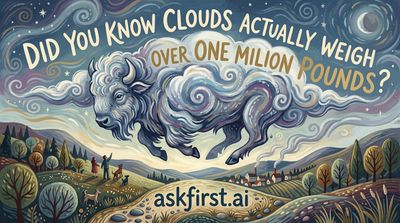
One of the most vivid expressions of this tendency is pareidolia, the psychological phenomenon where individuals perceive recognizable shapes, such as faces or animals, in clouds, rock formations, or static images. Research in neuroscience suggests that the human visual cortex is pre-wired to prioritize the detection of faces and intentional agency. This is because correctly identifying a human face or a social entity was critical for social cohesion and threat assessment. Even in the absence of a real face, the brain overlays a familiar structure to satisfy its need for pattern recognition.
Beyond visual stimuli, humans are equally prone to cognitive biases that reinforce pattern seeking. The 'Gambler's Fallacy' is a prime example: the mistaken belief that if an event happens more frequently than normal during a given period, it will happen less frequently in the future. Despite the statistical reality that coin tosses or slot machine outcomes are independent events, the human brain insistently tries to find a 'rhythm' or 'system' in the randomness to regain a sense of control.
The Role of Dopamine and Reward Systems
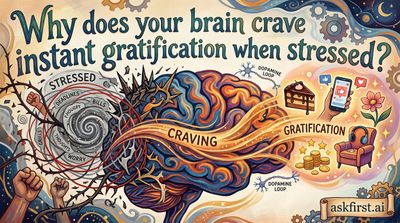
Neuroscientific studies indicate that the brain’s reward system, particularly the release of dopamine, plays a significant role in this behavior. When the brain 'discovers' a pattern, it registers a sense of satisfaction—a 'eureka' moment that reinforces the belief in the perceived order. This dopamine-driven loop encourages us to keep searching for correlations, effectively turning pattern recognition into an addictive cognitive habit. In essence, the human mind derives genuine pleasure from imposing logic on the unknown.
Modern Implications: From Astrology to Data Analytics
This evolutionary trait is clearly visible in modern society, manifesting in various domains:
- Superstitions and Rituals: Many cultural practices are rooted in the erroneous belief that performing a specific action will influence a random outcome, providing comfort in a world governed by chance.
- Financial Market Analysis: Traders and investors often see trends in stock market noise, attempting to identify cycles or shapes in chaotic price movements that are often governed by unpredictable variables.
- Big Data and AI: Even in the era of artificial intelligence, we see the danger of overfitting, where algorithms are trained to find complex patterns in small datasets that are actually just noise. This is the technological equivalent of human apophenia.
Embracing the Reality of Randomness
Understanding that we are hardwired to see patterns does not diminish our intelligence; rather, it highlights the importance of critical thinking. By acknowledging our innate bias toward finding meaning, we can learn to apply scientific rigor to differentiate between genuine cause-and-effect relationships and the natural noise of a stochastic universe. While our biology urges us to find order to survive, our higher-order reasoning allows us to recognize when that order is merely a projection of our own fascinating, pattern-seeking minds. Embracing the beauty of randomness allows for a more accurate navigation of reality in an increasingly complex world.