The Evolutionary Architecture of Human Connection
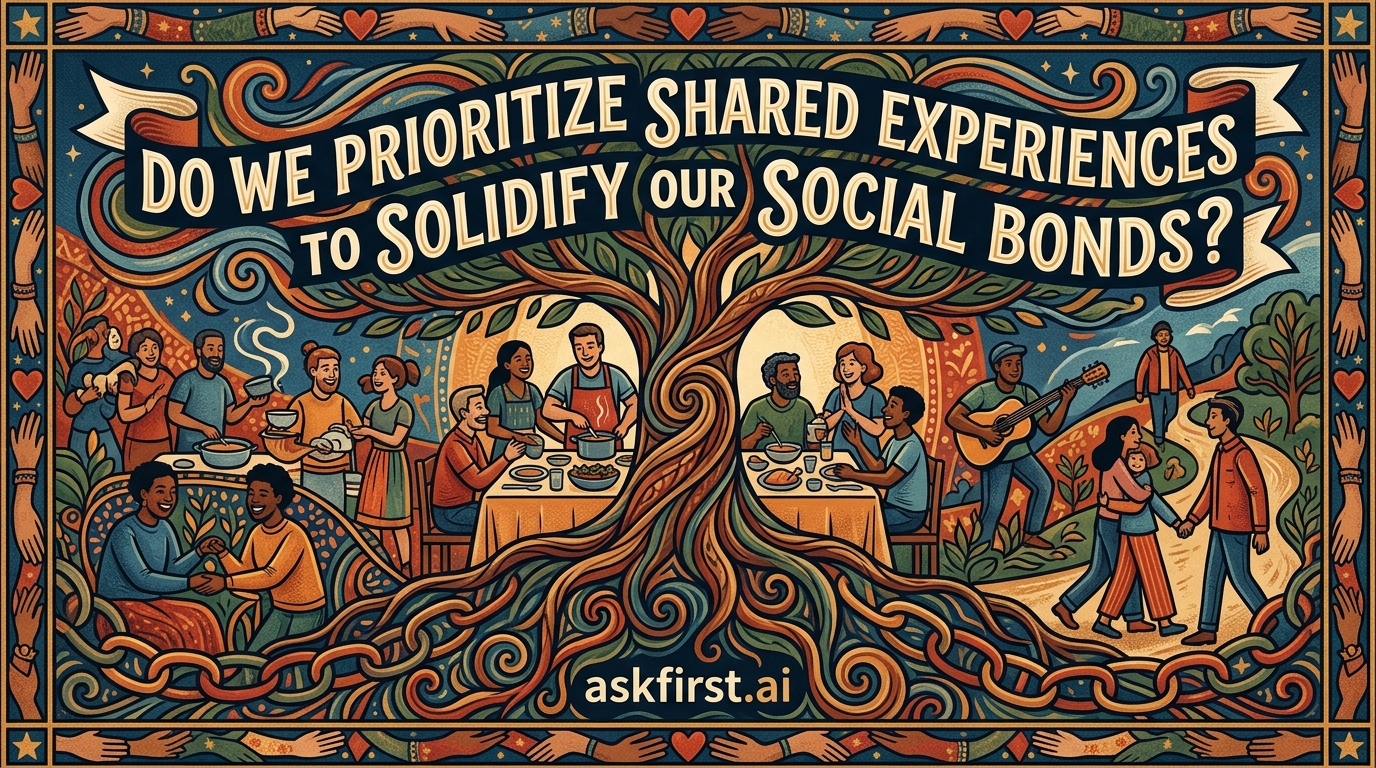
Human beings are biologically hardwired for connection. At the core of this drive lies the prioritization of shared experiences, a mechanism that has served as the bedrock of societal stability since the dawn of humanity. When individuals engage in synchronized activities, the brain undergoes a series of neurochemical shifts that facilitate empathy, trust, and long-term group cohesion. This phenomenon is not merely a social preference; it is a vital survival strategy that allowed early humans to navigate complex environments.
The Neurobiology of Togetherness
When we partake in a collective event—whether it is an intense hike, a musical performance, or a communal meal—our brains often enter a state of 'neural coupling.' Research suggests that shared emotional responses trigger the release of oxytocin, frequently referred to as the 'bonding hormone.' This chemical signal diminishes the internal barrier between self and other, fostering a sense of collective identity. The synchronization of heart rates and physiological responses during high-arousal shared activities reinforces these bonds, creating a biological signature of trust that is difficult to replicate through solitary efforts.
Why Shared Experiences Trump Material Gains
One of the most persistent myths in modern psychology is the idea that material gifts or individual accomplishments provide the most significant boost to relationship strength. However, studies consistently indicate that the 'experiential premium' is far more effective at cementing social ties. Material goods are static; they exist in isolation. Experiences, by contrast, are narrative-driven and interactive. When two people face an unfamiliar challenge together, they co-author a shared memory. These memories become part of the collective narrative of the friendship or partnership, providing a psychological anchor that can be revisited long after the event has passed.
The Mechanism of 'Self-Expansion'
Psychologist Arthur Aron proposed the Self-Expansion Model, which posits that humans are driven to expand their potential and capabilities. In relationships, we integrate our partners into our own sense of self. Engaging in novel, challenging, or exciting shared experiences is the primary vehicle for this expansion. By doing new things together, we essentially 'level up' our relationship, preventing stagnation and fostering a dynamic evolution of the social bond. This is why long-term partners are often encouraged to seek out new hobbies together rather than relying on established routines alone.
Practical Applications for Social Cohesion
To solidify bonds, one must curate environments where mutual participation is required. Consider the following strategies for intentional bonding:
- Novelty Seeking: Engage in activities that neither party has tried before. Novelty forces a focus on the present moment, increasing the intensity of the shared memory.
- Collaborative Problem Solving: Activities like escape rooms, team sports, or collaborative creative projects require communication and shared intent, effectively building trust.
- High-Arousal Events: Participating in events that elicit strong emotions—such as live music, theater, or competitive sports—synchronizes group sentiment, making participants feel part of a greater whole.
- Ritualization: Establish small, recurring shared experiences. Rituals serve as an 'emotional glue' that sustains a connection through periods of lower engagement.
The Digital Frontier: Can Virtual Connection Replace Physical Presence?
As the world becomes more digitized, a pertinent question arises: can we replicate these benefits in a virtual space? While physical presence offers sensory depth, the core requirement for bonding remains the synchronization of effort and emotion. Digital shared experiences—such as playing cooperative online games or attending synchronous interactive workshops—can trigger similar neurochemical responses provided that the individuals involved remain focused on one another rather than passive consumption. The intent behind the interaction is the deciding factor in the strength of the resulting bond.
Conclusion: Building a Legacy of Togetherness
Ultimately, the prioritization of shared experiences is the most effective tool we possess for building lasting social architecture. By intentionally seeking out moments that challenge, delight, and unite us, we do more than pass the time; we construct a durable identity that persists within our collective memories. Whether in professional settings or personal relationships, those who value the 'we' over the 'I' cultivate environments of deeper trust and resilience. In a world characterized by increasing isolation, the act of shared participation remains the most authentic rebellion against the erosion of community.