The Wood Wide Web: Nature’s Hidden Communication Infrastructure
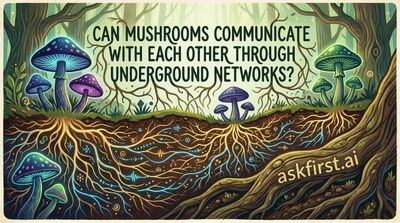
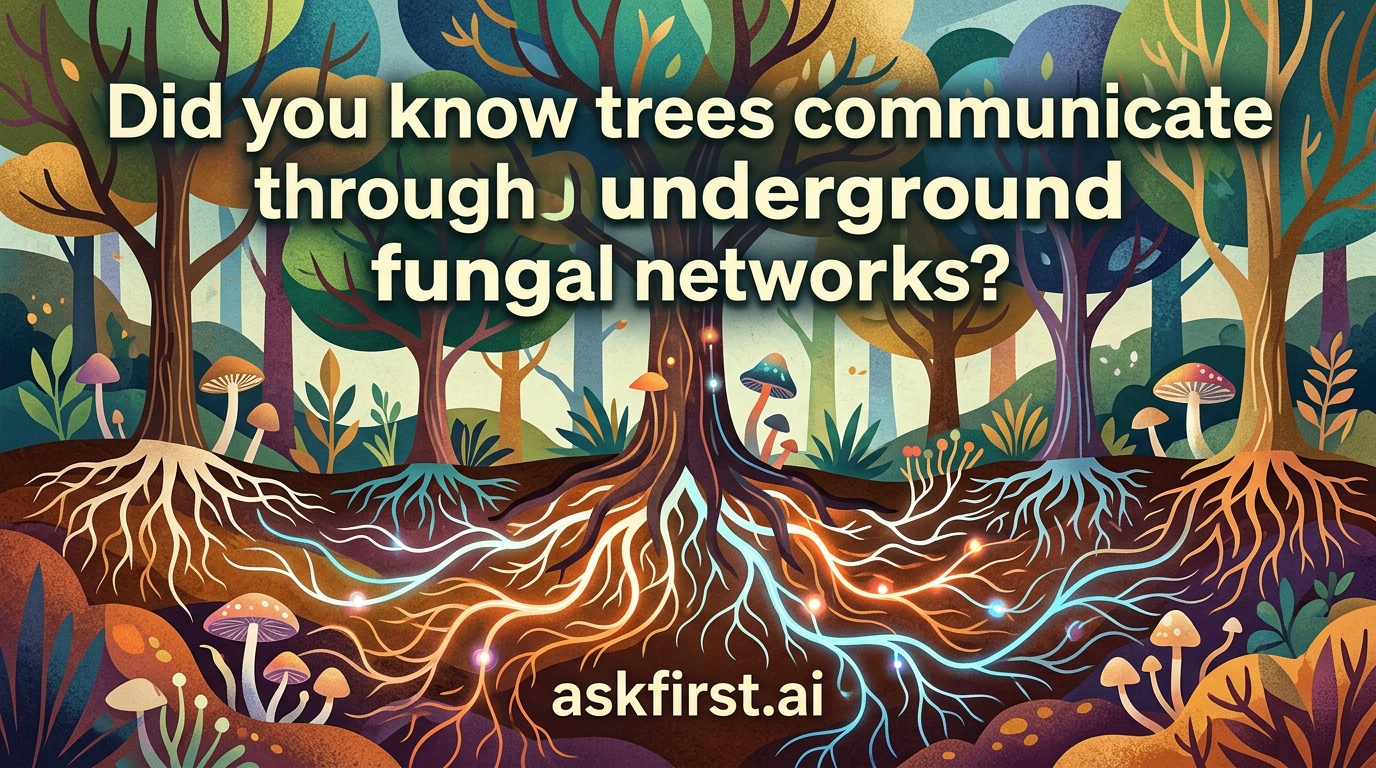
Far beneath the soil of forest floors lies a complex, bustling metropolis of activity that remains hidden to the casual observer. This biological network, often referred to as the Wood Wide Web, relies on a symbiotic relationship between trees and underground fungi. These fungi form mycorrhizal networks, weaving themselves into the roots of plants to create a sophisticated communication and resource-sharing system that sustains the forest ecosystem.
How the Mycorrhizal Network Functions
The fundamental interaction is a mutually beneficial exchange. The fungi, composed of thin threads called hyphae, extend deep into the soil. These threads are far more efficient at extracting water and nutrients, such as phosphorus and nitrogen, than tree roots alone. In return for these minerals, the trees provide the fungi with sugars they have created through photosynthesis. However, the significance of this connection goes far beyond simple nutrition; it acts as a highway for biological data.
The Mechanisms of Inter-Tree Communication
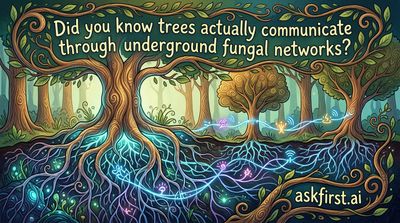
Research indicates that trees utilize these networks to send chemical and electrical signals to their neighbors. Through this, they can:
- Warn of impending threats: If a tree is attacked by insects or pathogens, it can release chemical signals into the fungal network, alerting nearby trees to begin producing defense compounds, such as bitter-tasting tannins, before the threat reaches them.
- Share resources: Resource-rich "mother trees"—often the oldest, largest trees in the forest—can use the fungal network to send surplus sugar and nutrients to younger, shaded saplings that struggle to photosynthesize in the canopy's shadow.
- Facilitate species diversity: The network connects different tree species, allowing for a collaborative rather than purely competitive forest environment.
Scientific Documentation and Research
Ecologists such as Dr. Suzanne Simard have spent decades mapping these connections. Studies have confirmed that when a tree is stressed by drought or predation, it sends out distress signals. Neighboring trees receive these messages and physically alter their internal chemistry to prepare for the looming threat. This reveals that forests are not merely collections of individual plants vying for light, but highly integrated, social units that depend on each other for survival.
Challenging the Myth of Solitary Growth
For centuries, scientific observation often emphasized the Darwinian theory of 'survival of the fittest,' focusing on the competition for sunlight and space. The reality of the Wood Wide Web reframes this narrative into one of cooperation and community. Forests behave more like organisms themselves than a collection of separate entities. This shift in perspective underscores the importance of soil health. When we clear-cut forests or engage in heavy tilling, we destroy these delicate fungal highways, effectively 'silencing' the forest and making the remaining trees significantly more vulnerable to disease and climate fluctuations.
Why This Matters for the Future
Understanding the fungal network is critical for modern forestry, conservation, and ecological management. By preserving the integrity of the soil and the old-growth trees, humans can support more resilient ecosystems capable of sequestering carbon more effectively and surviving environmental stressors.
- Increased Resilience: Forests with intact networks recover from disturbances like fire or insect outbreaks much faster.
- Biodiversity Support: The network acts as a bridge for plant species that would otherwise fail to thrive, maintaining a richer variety of flora.
- Sustainable Agriculture: Lessons from forest fungi are being applied to regenerative farming to reduce fertilizer reliance and improve crop health.
Final Reflections
Nature is far more intelligent and connected than human observation has historically credited. By appreciating the silent, invisible chatter of the mycorrhizal network, humanity gains a deeper respect for the complexity of natural habitats. The Wood Wide Web is a testament to the power of connection and cooperation as evolutionary strategies. When one walks through a forest, it is important to remember that the silent giants towering overhead are never truly alone; they are constantly talking, sharing, and nurturing one another through the intricate, microscopic threads that hold the woods together.