The Eternal Nature of Honey: Nature's Golden Preservative
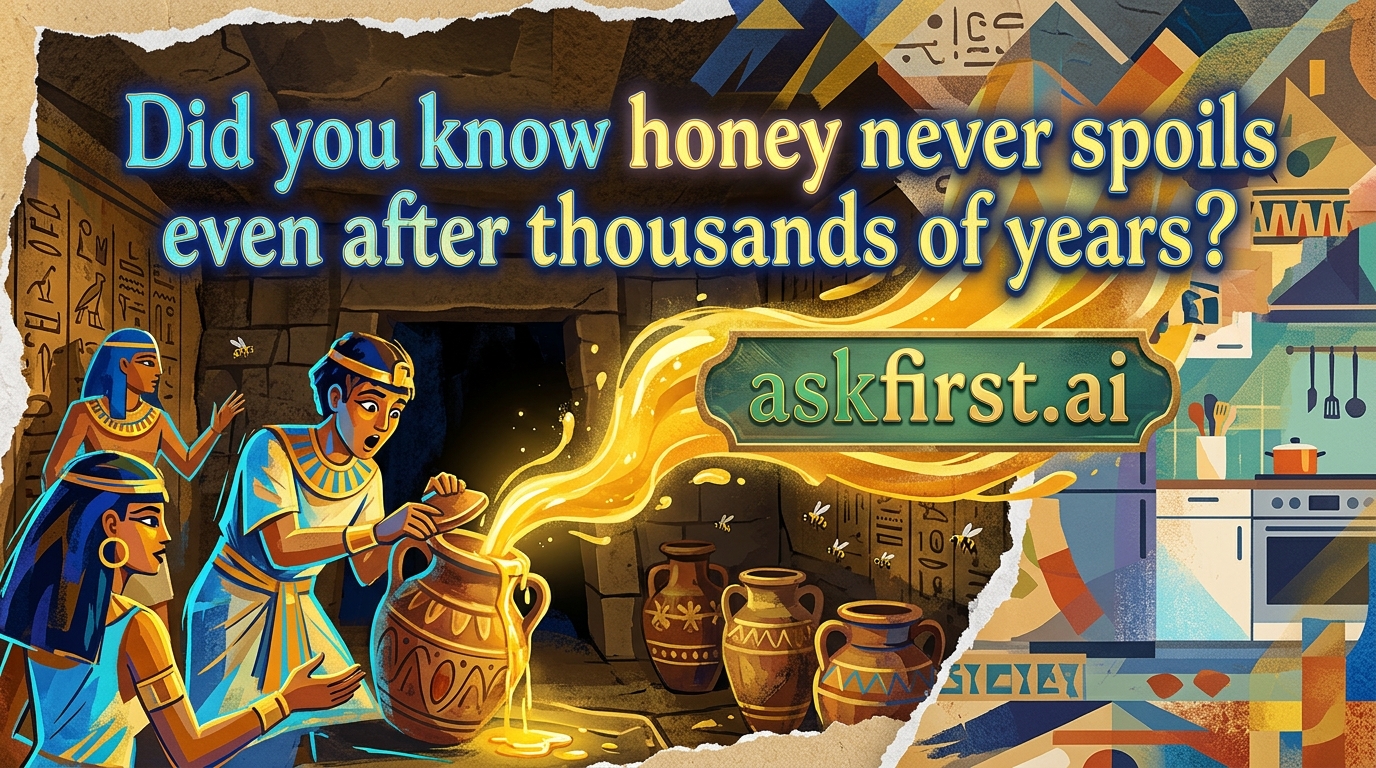
Honey, the golden elixir crafted by bees, possesses a chemical profile so unique that it stands as one of the only food sources on Earth that remains edible indefinitely. When stored in sealed containers, archaeologists have discovered pots of honey in ancient Egyptian tombs—some over 3,000 years old—that are still perfectly fit for consumption. This extraordinary longevity is not magic; it is the result of a precise, complex interplay of chemistry, biology, and environmental conditions that actively suppress microbial growth.
The Chemical Trio: Why Bacteria Cannot Survive
The secret to honey's immortality lies in three specific properties that make it a hostile environment for organisms like bacteria, fungi, and molds:
Low Moisture Content: Honey is essentially a supersaturated sugar solution. With a water content typically ranging from 15% to 18%, it is extremely hygroscopic. It lacks sufficient water to support the life cycles of most microorganisms, effectively dehydrating any invading bacteria.
Acidity: Honey has a pH level that generally falls between 3 and 4.5. This natural acidity is enough to kill off many bacteria that would otherwise cause food spoilage.
Hydrogen Peroxide Production: Perhaps the most fascinating factor is the presence of the enzyme glucose oxidase. When bees add this enzyme to nectar, it breaks down into gluconic acid and hydrogen peroxide. This release of hydrogen peroxide acts as a potent antimicrobial barrier, keeping the honey sanitized and stable for long-term storage.
The Role of Bees in Preservation
The transformation of nectar into honey is a labor-intensive process overseen by the hive. Foraging bees collect nectar, which is high in water, and transport it back to the hive. Once inside, worker bees repeatedly regurgitate the nectar and chew it to break down complex sugars into simple sugars like glucose and fructose. They then deposit the liquid into honeycomb cells and fan it with their wings. This rapid airflow evaporates excess water, concentrating the sugars and effectively sealing the honey once the cell is capped with wax. This protective wax seal is critical; as long as the honey is isolated from external moisture and humidity, the product remains immune to degradation.
Can Honey Ever Really 'Spoil'?
While honey does not rot, it can undergo physical changes that may concern the uninitiated. The most common occurrence is crystallization. Over time, glucose molecules can form crystals, turning the liquid honey into a thick, cloudy, or grainy substance. This is a completely natural physical change and does not indicate spoilage. If honey crystallizes, placing the jar in a warm water bath will gently restore its original liquid consistency.
Another point of concern is moisture absorption. Because honey is highly hygroscopic, if a jar is left open, it will absorb water from the surrounding air. If the water content rises above a certain threshold (usually 20%), the high sugar concentration is diluted enough to allow yeast fermentation, which can lead to spoilage or the development of honey wine (mead). Therefore, the 'eternal' shelf life is entirely dependent on the container being airtight.
Botanical Influence and Floral Sources
The color, viscosity, and flavor profile of honey are determined by the specific flowers visited by the bees. From the delicate, light notes of clover honey to the deep, robust flavors of buckwheat or manuka honey, the botanical origin provides distinct chemical variances. Manuka honey, for example, contains additional antibacterial components like methylglyoxal, which has been the subject of extensive scientific research for its potential medical applications in wound care and inflammation reduction.
Historical Significance and Culinary Legacy
Throughout human history, honey has been revered not only as a sweetener but as a sacred substance and a medicine. Ancient civilizations recognized its value, using it in religious ceremonies and as a universal healing agent. Today, it remains a staple in kitchens globally. Understanding that this substance can span millennia reinforces the appreciation for the environmental conditions necessary for its creation. It serves as a reminder that natural processes, when perfectly balanced, produce results that outperform many modern, synthetic preservation methods.
Conclusion: Respecting the Hive
The longevity of honey serves as a testament to the sophisticated evolution of the honeybee colony. By producing an environment that inhibits spoilage, bees have ensured a survival food source that can withstand the tests of time. Whether crystallized or liquid, honey remains one of the most reliable and fascinating staples in the culinary world, provided one ensures it remains sealed and dry to enjoy its sweet benefits for years to come.