The Science of Interpersonal Synchrony
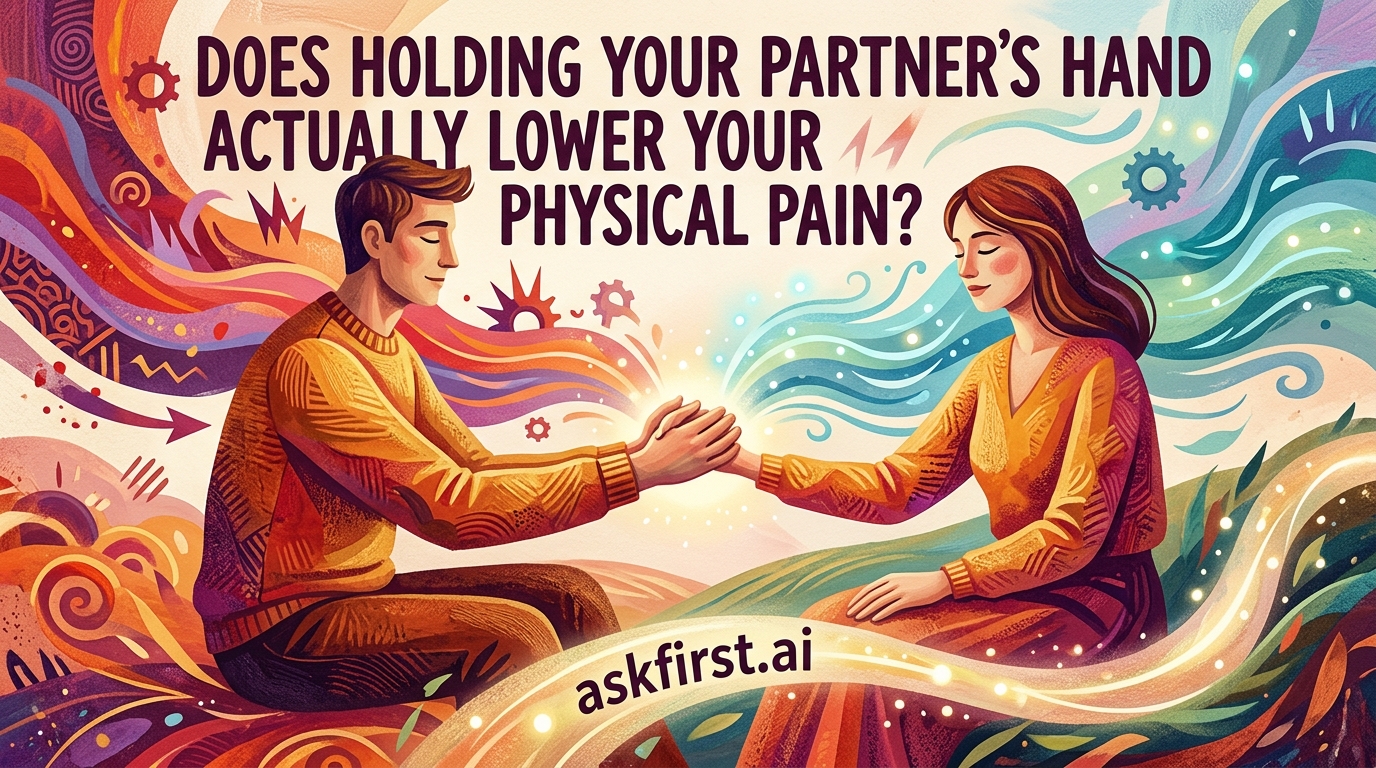
Research into human connection suggests that the simple act of holding hands with a loved one provides a tangible analgesic effect. This phenomenon, often referred to as interpersonal synchronization, demonstrates how human physiology adapts to the presence of a supportive partner during moments of physical discomfort. When two people in a strong relationship hold hands, their brain waves, breathing patterns, and heart rates begin to synchronize, creating a shared biological state that mitigates the perception of pain.
Mechanisms Behind the Relief
Several psychological and neurological factors contribute to this unique form of non-verbal therapy:
- Oxytocin Release: Often labeled the "love hormone," oxytocin is released through touch. It plays a critical role in social bonding and has been shown to reduce sensitivity to physical pain by modulating signals in the spinal cord.
- Reduced Cortisol Levels: Physical touch decreases the production of cortisol, the body's primary stress hormone. High stress levels are known to amplify pain sensitivity, so lower stress naturally allows for better pain management.
- The Attentional Distraction Effect: Engaging in a positive, supportive social interaction shifts the brain's focus away from the painful stimulus. By concentrating on the emotional warmth of the partner, the brain allocates fewer resources to processing the localized discomfort.
- Neural Coupling: Studies utilizing electroencephalography (EEG) have shown that couples who hold hands during a painful event show increased connectivity between the brain regions responsible for pain processing in the sufferer and the empathic response centers in the partner. This suggests the pain is effectively 'shared,' lightening the individual load.
Clinical Implications and Examples
This phenomenon is not merely anecdotal; it has been observed in controlled laboratory environments where participants were subjected to mild thermal stimuli. Those who held their partner's hand reported significantly lower pain intensity scores compared to those who were alone or held a stranger's hand. Even in clinical settings, the presence of a supportive partner during minor medical procedures has been linked to lower blood pressure and reduced anxiety, which indirectly improves the body’s recovery response. The physical presence of a loved one serves as a secure base, signaling to the brain that the environment is safe, which prevents the alarmist response typically associated with acute pain.
Conclusion
The act of holding hands is far more than a gesture of affection; it is a profound biological regulator. Through the interplay of hormonal responses and neural synchronization, human touch serves as a natural, non-pharmacological tool to modulate the human experience of pain. In an increasingly digital world, the restorative power of human contact remains one of the most effective ways to foster resilience and physical comfort.