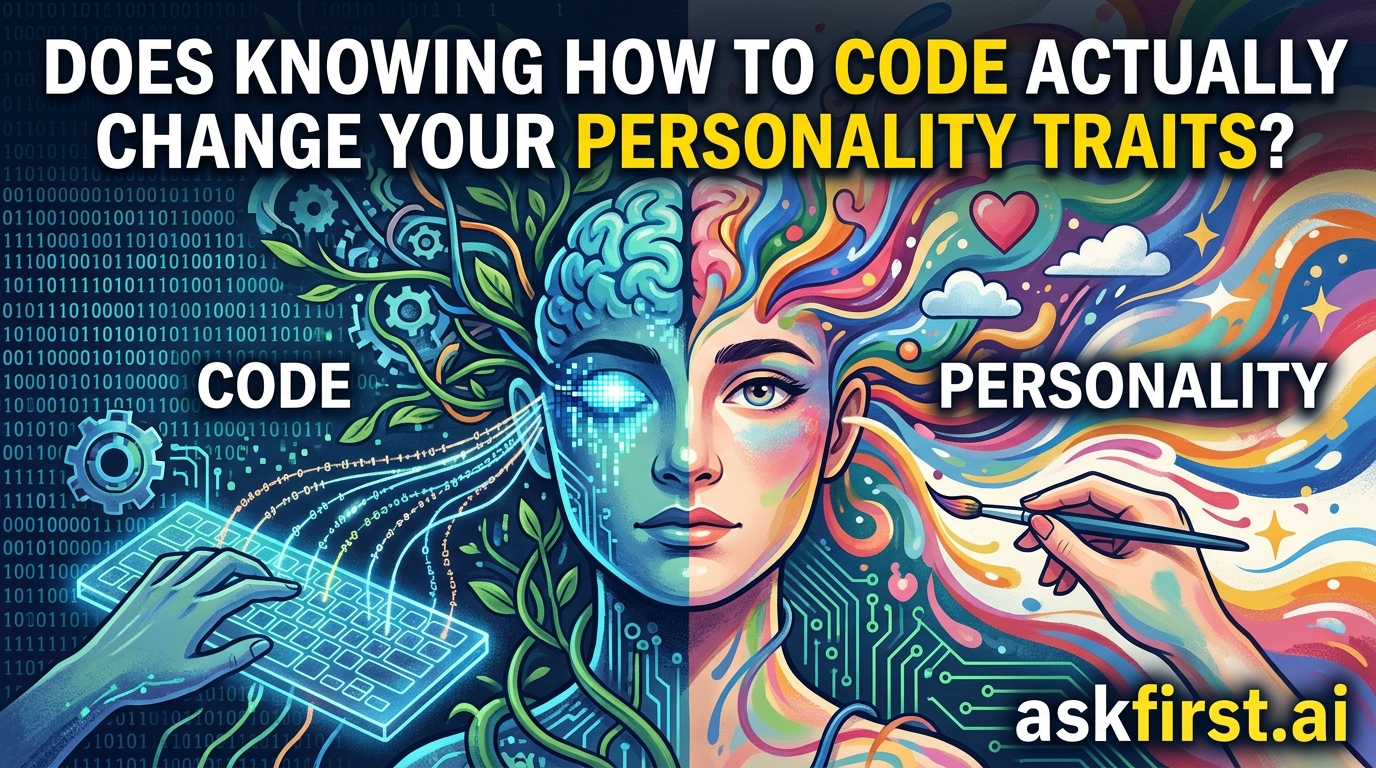
The Cognitive Metamorphosis: How Coding Rewires the Human Mind
For decades, the field of psychology has debated whether the skills one acquires can fundamentally alter their personality. When it comes to computer programming, the evidence suggests that the process of learning to code does more than just fill a resume—it actively reshapes the cognitive architecture and behavioral tendencies of the learner. This transformation is not a superficial shift but a deep-seated realignment of how the brain processes problems, handles ambiguity, and perceives systemic logic.
The Systematic Mindset: A Shift Toward Analytical Thinking
At the core of coding is a logical rigor that demands precision. When an individual engages with programming, they are essentially participating in an exercise of extreme discipline. Over time, this repetitive exposure to syntax, logical structures, and debugging processes fosters a trait known as 'cognitive patience.' Individuals who once demanded instant gratification often find themselves developing a heightened tolerance for long-term project management and iterative troubleshooting. The ability to break down monolithic tasks into atomic, manageable units—often called 'decomposition'—frequently spills over into the personal life of the programmer. This manifests as a more structured approach to household management, personal finances, and daily goal setting.
Embracing Failure: The Psychology of Debugging
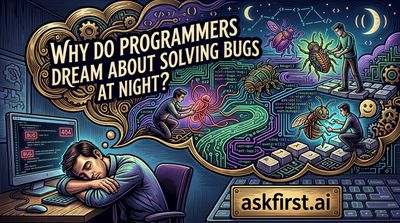
Perhaps the most significant personality evolution in a coder is the transformation of their relationship with failure. In many professions, a mistake is a signal of incompetence. In the world of software engineering, a 'bug' is a standard part of the creative process. This reality shifts the personality trait of 'risk aversion' toward 'experimental openness.'
- Normalization of Error: Coders learn that errors are not failures but data points. This mindset creates resilience.
- Debugging as Discovery: The act of investigating a broken system fosters a personality profile characterized by deep curiosity and investigative persistence.
- Emotional Regulation: Mastering the frustration of an elusive error leads to improved emotional regulation under pressure.
The Impact on Decision-Making and Critical Analysis
Programming inherently relies on Boolean logic: if this, then that. This mental framework encourages the adoption of 'first-principles thinking.' Rather than relying on intuition or social norms to make choices, a coder is trained to ask why a system works the way it does. This leads to a more skeptical, analytical personality type. While this creates a high level of intellectual independence, it also requires an intentional effort to maintain empathy and emotional intelligence, as the binary nature of code does not translate perfectly to the messy, non-linear world of human relationships.
Neuroplasticity and the 'Coder's Brain'
Research into neuroplasticity indicates that intense intellectual pursuits literally change the brain's physical structure. According to studies on language acquisition and complex problem-solving, areas of the brain associated with working memory and executive function often see increased activity in individuals who code regularly. The constant switching between high-level architectural design and low-level syntactical detail keeps the brain in a state of high-alert flexibility. This creates a personality that is often described as 'highly adaptable' or 'agile.'
Potential Pitfalls and Personality Refinement
While the analytical gains are profound, every cognitive shift comes with potential downsides. The hyper-focus required to write efficient code can sometimes lead to an 'isolationist' trait, where an individual prefers technical systems over social interaction. This is not an inherent trait of coders, but a risk of the solitary nature of the task. To combat this, successful developers often consciously work on interpersonal communication skills, turning the focus from machine-human interaction to human-human collaboration.
Conclusion: A Disciplined Life
In essence, knowing how to code provides the tools to build a more robust cognitive framework. It does not replace one's existing personality, but rather acts as an accelerator for specific traits: persistence, analytical rigor, logical decision-making, and comfort with complexity. By moving from a passive consumer of technology to an active architect of it, the individual adopts a mindset that prizes precision and structural integrity. Ultimately, coding is not merely a technical skill; it is a psychological practice that empowers a more structured, resilient, and profoundly inquisitive human experience. As we move deeper into an automated future, these traits—developed through the rigorous, rewarding challenge of programming—will become increasingly essential for anyone looking to navigate a complex, digital-first world with clarity and purpose.