The Invisible Architecture of Modernity
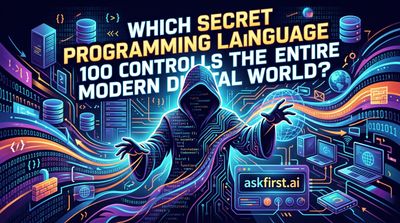
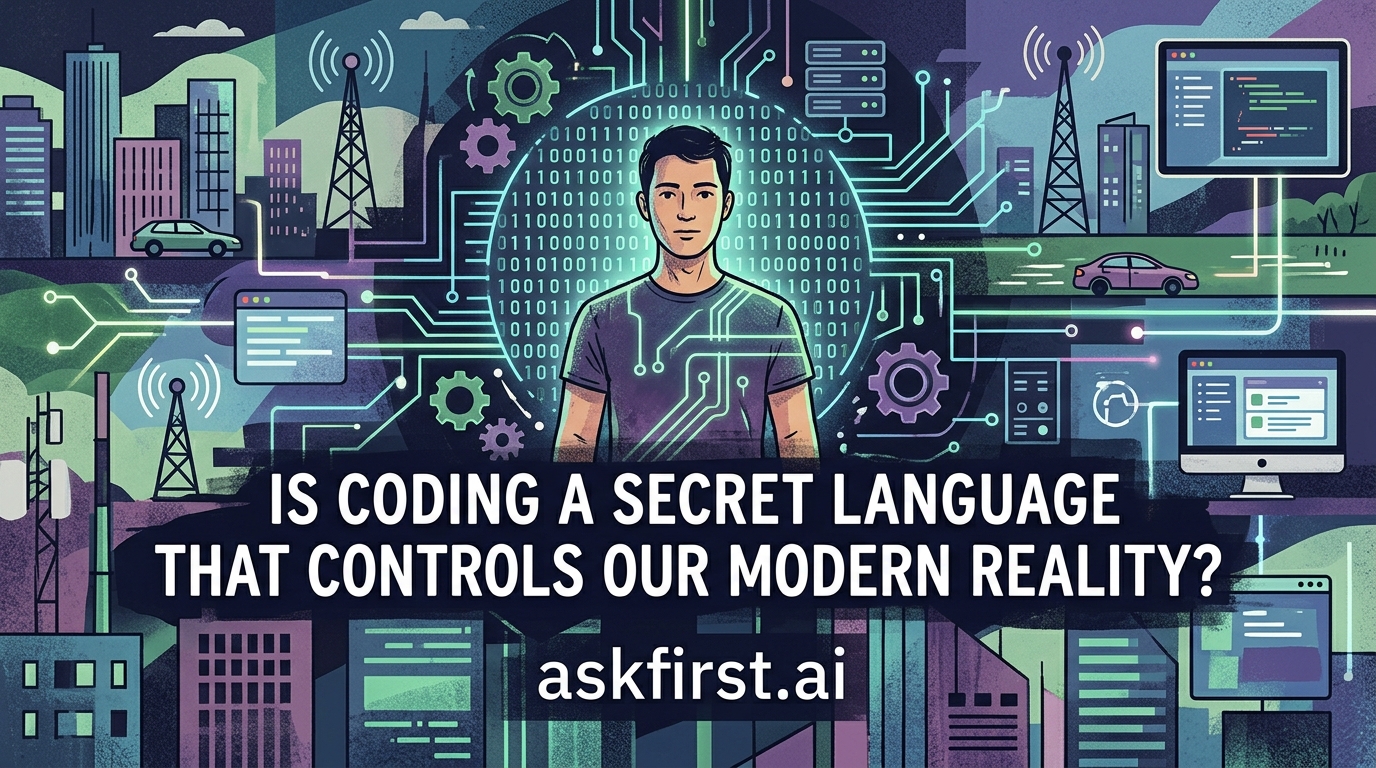
To view computer code as merely a sequence of instructions for hardware is to fundamentally misunderstand the structure of contemporary existence. In the twenty-first century, software acts as the 'invisible architecture'—a complex layer of logical syntax that mediates nearly every human interaction, from the processing of global financial transactions to the algorithms that curate personal beliefs and social identities. While not a 'secret' language in the sense of an occult cipher, code functions as a powerful, esoteric dialect that only a specialized segment of the population fluently commands, effectively bestowing upon them a form of systemic agency that dictates the parameters of daily life for billions.
The Grammar of Digital Reality
At its core, coding is the translation of human intent into the binary logic that machines execute. This process creates a reality that is fundamentally mathematical. Every aspect of modern infrastructure—including electrical grids, communication networks, transportation systems, and healthcare databases—relies on these precise, deterministic linguistic structures. Because software operates beneath the surface of the user interface, the average individual experiences the output of the code without ever perceiving the underlying logical constructs. This creates a functional asymmetry: a small group of developers constructs the reality that others inhabit.
Why It Is Not Just 'Technical' Knowledge
Sociologists often argue that digital literacy is the modern equivalent of literacy during the Renaissance. Just as the ability to read and write once demarcated the boundary between the ruling elite and the common citizenry, the ability to read, write, and manipulate code today defines the boundary between those who shape the rules of the digital society and those who are subject to them. When code manages algorithmic bias, predictive policing, or the prioritization of information in search engines, it is not merely executing technical tasks; it is making societal value judgments at scale. Therefore, code is, in a practical sense, a legislative force.
The Myth of Neutrality
One of the most persistent myths in computer science is the assertion that code is neutral. The argument suggests that because code is mathematical, it is objective. However, code is written by individuals situated within specific cultural and linguistic contexts. Every choice in logic, every definition of a variable, and every prioritization in an efficiency function reflects the subjective perspective of the author. When an algorithm determines creditworthiness or suggests a career path, it codifies human bias into a system that appears objective, effectively shielding these value judgments from democratic debate or public scrutiny.
Empowering the Digital Citizen
Democratizing the understanding of programming languages is essential for individual agency in an increasingly automated world. Understanding the basic logic of 'if-then' statements, loops, and data structures allows individuals to move from being passive consumers of technology to being informed participants in its evolution. It is not necessary for every citizen to become a software engineer, but it is necessary for the population to grasp the 'logic of control' inherent in the tools they utilize daily.
- Logic vs. Reality: Code acts as a mediator, enforcing the 'laws' of digital environments.
- Algorithmic Governance: Software frequently determines outcomes that were previously the domain of human decision-makers.
- The Transparency Gap: There is an inherent difficulty in auditing code that is proprietary or obscured by layers of abstraction.
Conclusion: The New Literacy
Whether one views code as a secret language or a functional tool, the reality remains that its influence on human experience is profound and ever-expanding. As we integrate further into a hyper-connected environment, the language of computers will continue to translate our desires, fears, and behaviors into the very fabric of our physical world. Understanding this influence is not about uncovering a conspiracy, but about recognizing the vital importance of literacy in the dominant language of our time. By engaging with the fundamental structures of our digital environment, society ensures that the future remains a space of human-centric choice rather than a static echo of automated design.