How the First Computer Bug Changed the Tech Industry
The Moth That Revolutionized Modern Computing
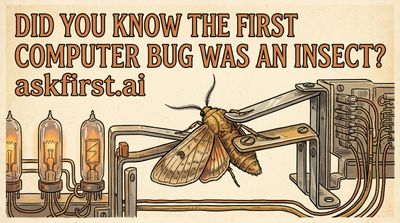
The narrative surrounding the "first computer bug" is one of the most enduring legends in the history of technology. Often attributed to Grace Hopper and her team at Harvard University on September 9, 1947, the story describes the discovery of a physical moth trapped inside the electromechanical Harvard Mark II relay. While this incident is frequently cited as the moment the term "debugging" entered the computing lexicon, the truth is far more nuanced and industry-shifting than a simple case of pest control.
Challenging the Myth: Did It Start Here?
It is vital to clarify that the term "bug" had been used by engineers for decades before the 1947 incident to describe malfunctions or technical glitches. Thomas Edison famously referred to "bugs" in his mechanical inventions in the 1870s. However, the 1947 moth was the first time a literal, physical bug was extracted from a computer, transforming a metaphorical term into a concrete reality. This event served as a powerful mnemonic device, solidifying the terminology that would define the entire software engineering industry.
The Evolution of Error Correction
The primary shift in the industry did not stem from the moth itself, but from the realization that computational systems were becoming complex enough to require systemic error-checking methodologies. Before the mid-20th century, hardware and software were inextricably linked; a problem in the relay meant a physical problem in the machine. As the industry moved toward stored-program computers, the focus shifted from physical hardware maintenance to logical verification.
- Methodological Standardization: The discovery catalyzed a transition toward rigorous testing protocols. Instead of waiting for a machine to break, engineers began designing exhaustive test suites to simulate failure modes.
- Abstraction Layers: As software grew in complexity, the industry recognized that logical bugs were far more catastrophic than hardware failures. This led to the development of higher-level languages that allowed programmers to isolate errors more efficiently.
- Culture of Documentation: The meticulous log entry detailing the moth incident demonstrated the growing importance of record-keeping in computer science. Maintaining logs became the cornerstone of modern software lifecycle management.
The Lasting Legacy
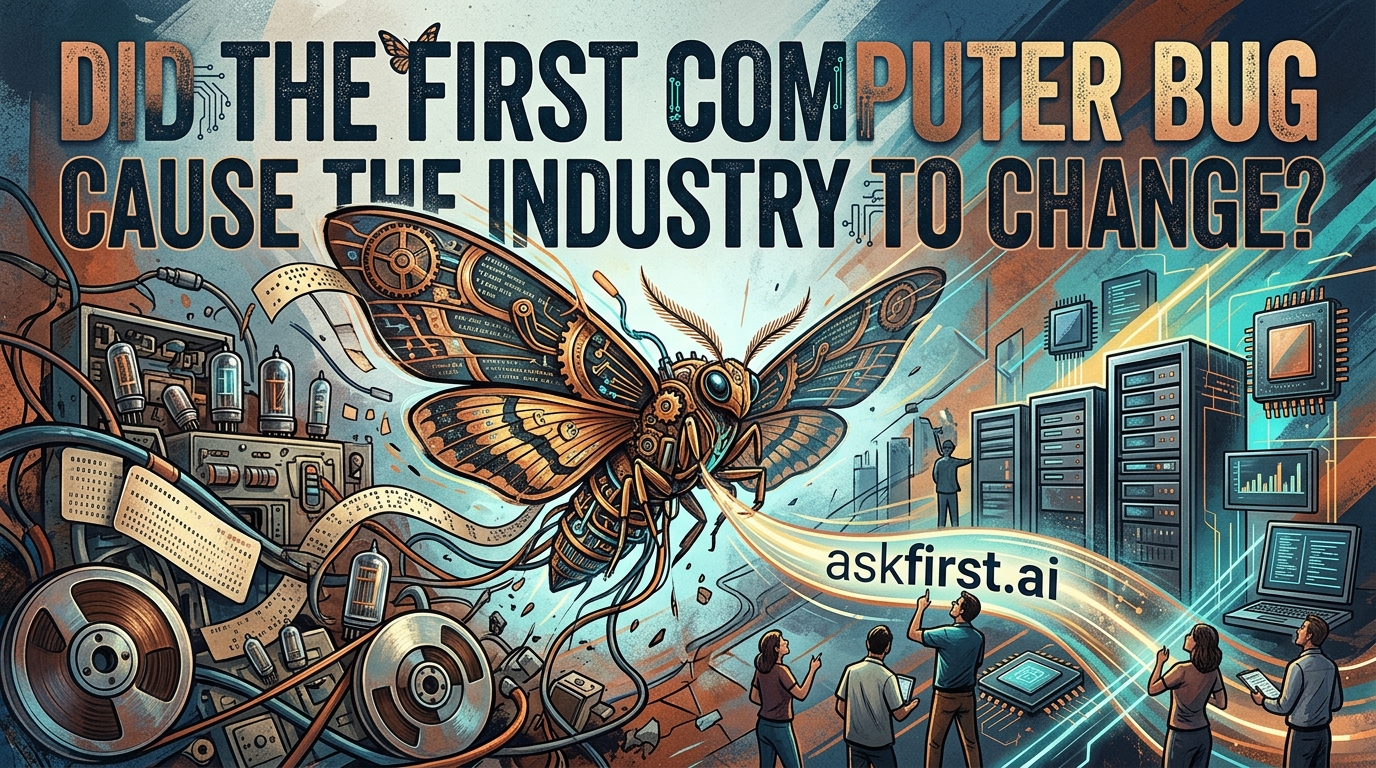
Did the moth change the industry? Yes, in a symbolic and cultural sense. It forced pioneers like Grace Hopper to confront the limitations of early computing and spurred a shift in mindset. The transition from "mechanical repair" to "software debugging" is the foundation upon which modern cybersecurity, quality assurance, and reliability engineering are built today. The industry evolved from viewing errors as isolated physical accidents to viewing them as fundamental, logical flaws in system architecture. This mindset shift remains the bedrock of how developers approach code today, turning every "bug" into an opportunity for system hardening and technological advancement.