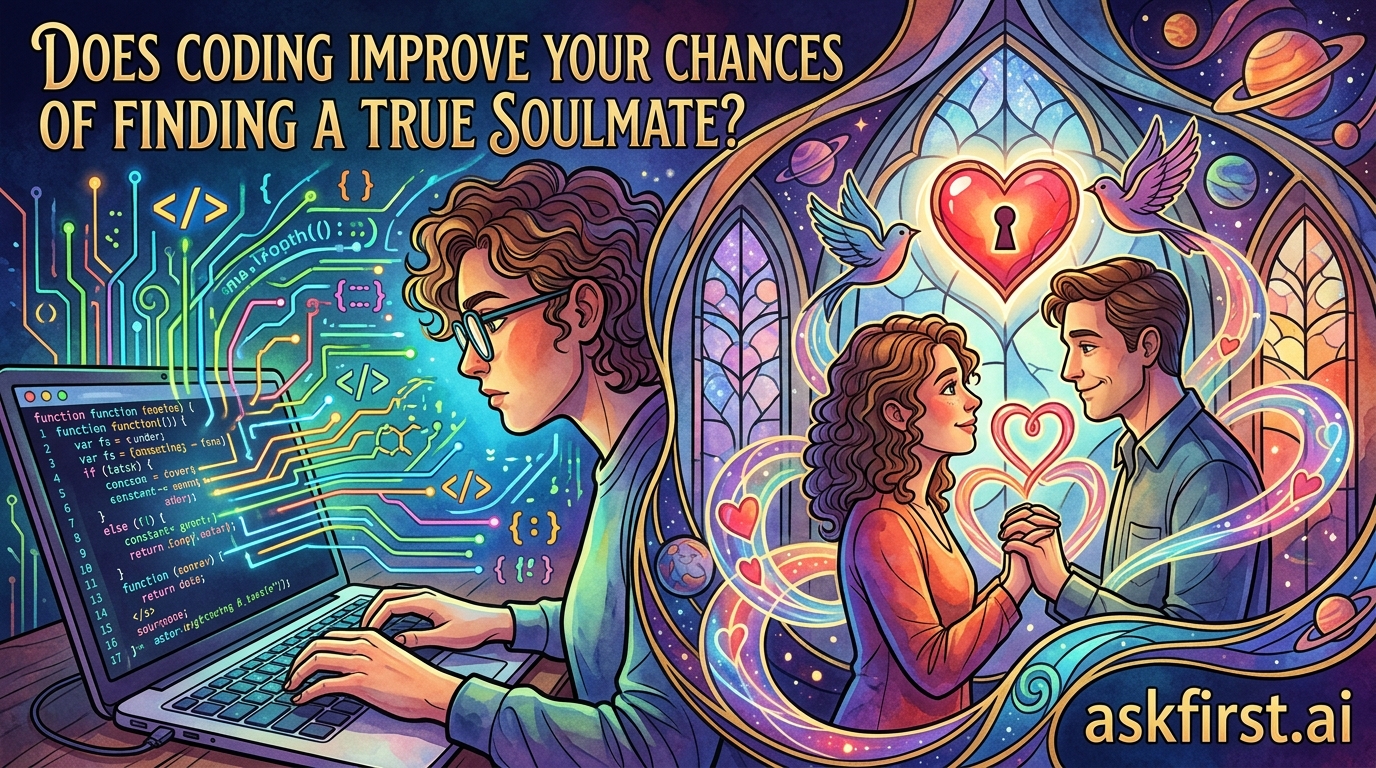
The Intersection of Logic and Love
While the concept of a soulmate is rooted in emotional chemistry and serendipity, the practice of coding introduces a structured paradigm that subtly influences interpersonal dynamics. Coding requires discipline, pattern recognition, and an aptitude for logical problem-solving. These cognitive traits, when transferred to human relationships, can create a foundation for healthier, more sustainable partnerships. Far from being a clinical or detached exercise, programming fosters skills that are paradoxically vital for romantic success.
Transferable Skills for Relationships
Programming is essentially the art of managing complex systems through clear communication. When a coder approaches a relationship, the following skills often prove advantageous:
- Systematic Problem Solving: Relationships inevitably face obstacles. The ability to debug a conflict, identify the root cause, and iterate on solutions—rather than resorting to emotional volatility—can drastically improve relationship longevity.
- Clear Documentation and Communication: Misunderstandings occur in both software and speech. Developers are trained to express intentions precisely. Applying this level of clarity in communication prevents the accumulation of unspoken expectations, which are often the silent killers of intimacy.
- Patience and Resilience: A significant portion of a coder’s career involves encountering errors and failing repeatedly before reaching a solution. This resilience is directly applicable to the inevitable friction found in long-term commitments.
The Logic of Compatibility
Modern relationship matching is increasingly algorithmic. Platforms leverage data points to predict compatibility, effectively using the language of code to assist in human connection. Individuals with a technical background often understand these systems better, enabling them to optimize their own presence on digital platforms. However, the most profound influence is internal. Learning to code reframes how one sees the world; it reveals that systems—including human connections—can be understood, maintained, and improved through consistent, thoughtful engagement.
Breaking the Myth of the 'Cold' Coder
There is an outdated cultural trope that developers are isolated or emotionally unavailable. Current psychological research suggests that the hyper-connectivity of the digital age requires high-level cognitive navigation skills. Rather than creating distance, coding offers a framework to organize one’s social life. It does not replace the 'spark' or the 'soulmate' dynamic, but it provides the tools to nurture that spark once it is ignited. Ultimately, coding acts as a force multiplier for emotional intelligence, allowing individuals to build structures of trust and communication that can support a lifetime of companionship.