The Silent Threat: Understanding the Reality of Hantavirus
Hantavirus Pulmonary Syndrome (HPS) and Hemorrhagic Fever with Renal Syndrome (HFRS) represent some of the most formidable zoonotic challenges in modern medicine. While the term "hantavirus" often strikes fear due to its high mortality rates, the actual risk to the average person is highly nuanced, depending heavily on geography, environmental exposure, and the specific viral strain involved. To understand the danger, one must look beyond the headlines and examine the biological mechanics and epidemiological patterns of this viral family.
Biological Mechanisms and Transmission
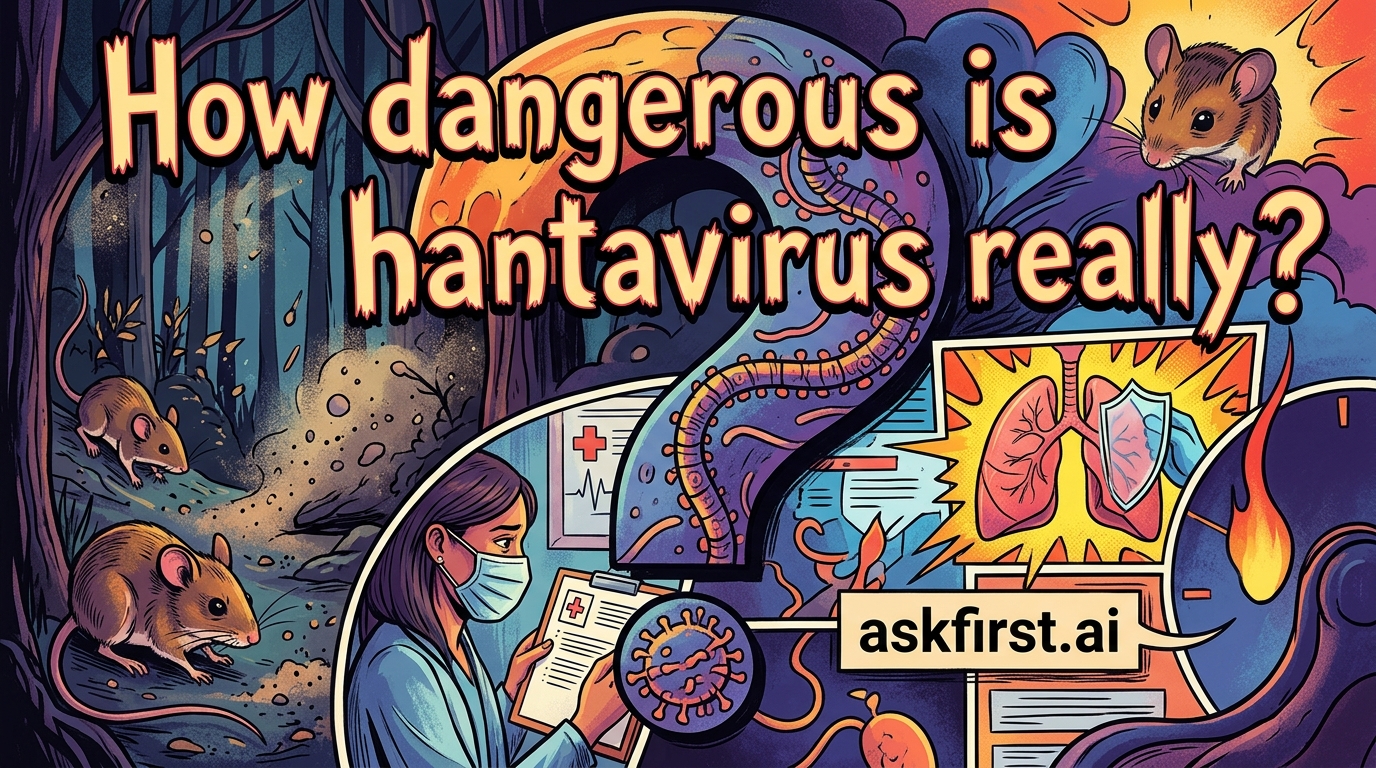
Hantaviruses are members of the Hantaviridae family, carried primarily by rodents. Unlike many other viruses that spread through bites, hantaviruses are transmitted to humans through inhalation. When infected rodents—such as the deer mouse (Peromyscus maniculatus) in North America—shed the virus in their urine, droppings, and saliva, the excreta can dry and become aerosolized.
As noted by Dr. Thomas G. Ksiazek in his extensive research on viral hemorrhagic fevers (published in Emerging Infectious Diseases), the danger lies in the microscopic nature of these particles. When humans disturb nesting materials in confined spaces like sheds, cabins, or crawlspaces, they may inhale the virus without ever seeing a rodent. This makes "avoidance" the primary defense, as there is currently no broadly available vaccine for the most dangerous HPS-causing strains in the Americas.
The Severity of HPS: Why It Is Considered Dangerous
The danger of hantavirus is fundamentally rooted in the body's immune response. In cases of Hantavirus Pulmonary Syndrome (HPS), the virus infects the endothelial cells—the cells lining the blood vessels—particularly in the lungs. This triggers a "cytokine storm," an overreaction of the immune system that leads to increased vascular permeability.
- Fluid Accumulation: Plasma leaks from the blood vessels into the air sacs (alveoli) of the lungs.
- Respiratory Failure: This rapid filling of the lungs with fluid leads to severe respiratory distress, often requiring mechanical ventilation.
- Mortality Rates: According to the Centers for Disease Control and Prevention (CDC) clinical guidelines, HPS has a mortality rate of approximately 36%. This is exceptionally high for a viral respiratory illness, placing it in a category of diseases that require immediate, specialized intensive care.
Regional Variations: HPS vs. HFRS
It is critical to distinguish between the two primary clinical presentations of hantavirus, as their danger profiles differ significantly:
- Hantavirus Pulmonary Syndrome (HPS): Predominant in North and South America. It is characterized by the rapid onset of respiratory failure. The Sin Nombre virus is the primary culprit here, famously identified following the 1993 outbreak in the Four Corners region of the United States.
- Hemorrhagic Fever with Renal Syndrome (HFRS): More common in Europe and Asia (such as the Hantaan or Puumala viruses). While these can also be fatal, they often present with renal (kidney) failure and hemorrhage. The mortality rate for HFRS is generally lower than that of HPS, sometimes falling well below 1% to 10% depending on the specific strain and the quality of medical infrastructure available.
The "Danger" Contextualized
While the 36% mortality rate for HPS sounds terrifying, the absolute risk of contracting the disease is statistically low. The danger is not "out in the air" everywhere; it is highly localized. The risk is highest for those who work in agriculture, forestry, or who spend significant time in rural areas where rodent populations are high and human-rodent contact is frequent.
In his seminal work The Coming Plague, author Laurie Garrett highlights how human encroachment into wild habitats increases the "spillover" of such pathogens. The danger is essentially an environmental hazard. If you are not cleaning out an abandoned barn, sleeping in a rodent-infested cabin, or disturbing nesting sites, your risk of contracting hantavirus is statistically negligible.
Clinical Management and Prognosis
There is no specific antiviral treatment for hantavirus. Medical management is strictly supportive. Patients are placed in intensive care units where they receive oxygen therapy, fluid management, and, in severe cases, Extracorporeal Membrane Oxygenation (ECMO) to oxygenate the blood outside the body. The prognosis is entirely dependent on how quickly the patient seeks medical attention after the onset of flu-like symptoms (fever, muscle aches, fatigue). Because the progression from "flu-like symptoms" to "respiratory failure" can happen within 24 to 48 hours, the danger is exacerbated by delayed diagnosis.
Conclusion
Hantavirus is undeniably dangerous, but it is not a widespread pandemic threat in the way influenza or SARS-CoV-2 are. It is a localized, environmental, and situational risk. The danger is acute and severe for the individual who becomes infected, but the transmission chain is broken by simple hygiene: preventing rodent infestation in living spaces and using proper respiratory protection (such as N95 masks) when cleaning areas where rodents have been present. By treating the environment with caution and understanding the specific vectors involved, the danger of hantavirus can be effectively mitigated.