The Complete Guide to Starting Solid Foods: Timing, Milestones, and Best Practices
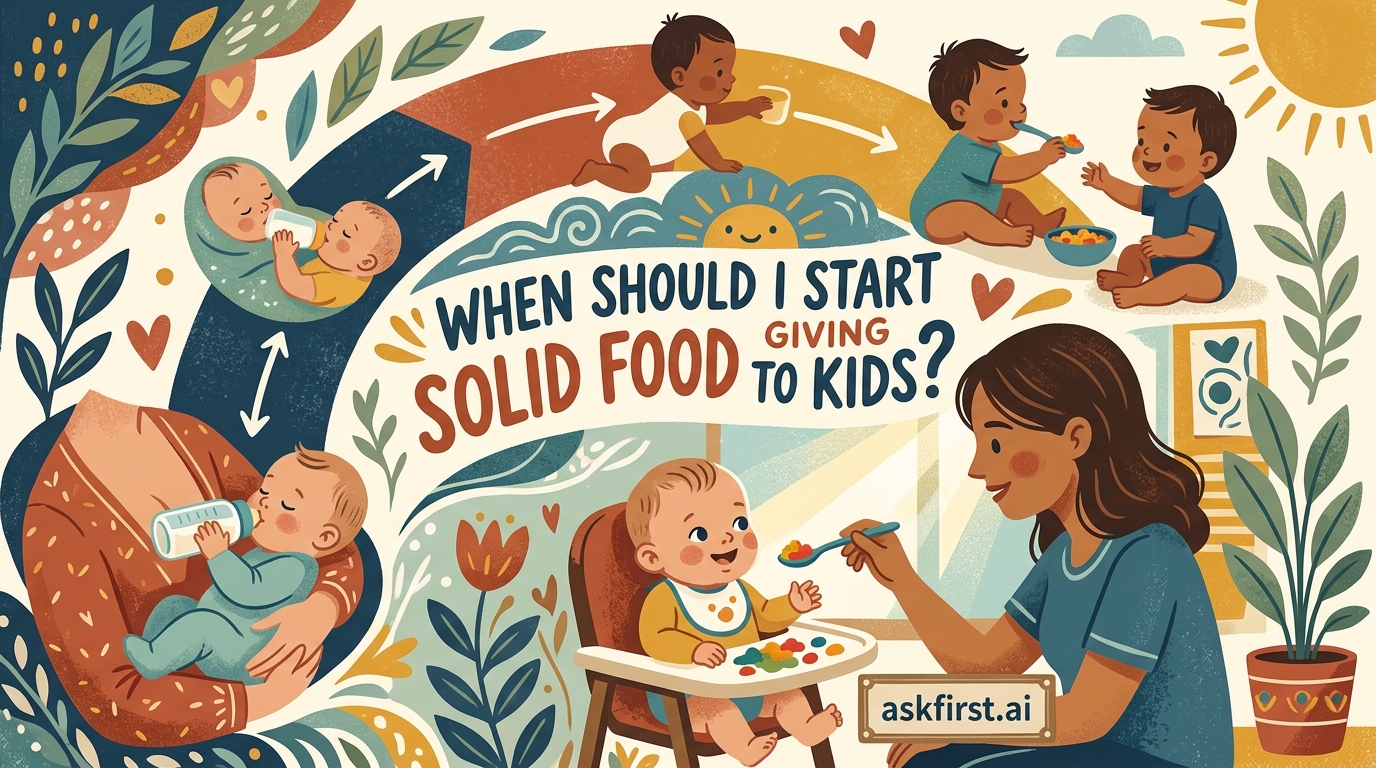
Introducing solid foods, often referred to as "complementary feeding," is a major developmental milestone for infants. According to global health organizations, including the World Health Organization (WHO) and the American Academy of Pediatrics (AAP), the optimal window to begin introducing solids is around 6 months of age.
Understanding the Developmental Window
While 6 months is the standard recommendation, every child develops at a unique pace. It is generally recommended to wait until at least 4 months, but no later than 6 months, to ensure the infant's digestive system is sufficiently mature to process non-milk nutrients.
Key Readiness Signs
Before offering your infant their first meal, look for these physical and behavioral markers:
- Head and Neck Control: The infant must be able to sit upright with minimal support and hold their head steady.
- Loss of Tongue-Thrust Reflex: Infants naturally push foreign objects out of their mouths. When this reflex fades, they are ready to swallow food rather than spit it out.
- Increased Interest: The baby shows curiosity about what you are eating, often reaching for your plate or mimicking chewing motions.
- "Pincer" or Grasping Skills: While not strictly necessary for purees, the ability to grab objects is a sign of fine motor development crucial for later self-feeding.
How to Begin: A Step-by-Step Guide
Transitioning to solids should be a gradual process, not a race. Breast milk or infant formula remains the primary source of nutrition during the first year.
1. Choose the Right First Foods
Start with single-ingredient, iron-rich foods. Historically, rice cereal was the standard, but modern pediatric guidelines suggest a more diverse approach:
- Pureed Meats/Legumes: Excellent sources of iron and zinc.
- Vegetables: Mashed carrots, sweet potatoes, or peas.
- Fruits: Pureed bananas, pears, or avocados.
2. The Introduction Strategy
- Frequency: Start with one meal a day at a time that works for your schedule.
- Consistency: Offer one new food every 3–5 days. This allows you to monitor for potential allergic reactions (e.g., rashes, diarrhea, or vomiting).
- Texture: Start with thin, smooth purees, gradually increasing thickness as your child gains oral motor control.
Pros and Cons of Feeding Methods
Puree Feeding
- Pros: Easy to track intake; lower initial choking risk.
- Cons: Requires extra preparation; may delay the development of chewing skills.
Baby-Led Weaning (BLW)
This involves skipping purees and letting the baby feed themselves soft, finger-sized pieces of whole food.
- Pros: Promotes fine motor skills and self-regulation of appetite.
- Cons: Can be messy; requires strict adherence to safe cutting sizes to prevent choking.
Safety and Future Trends
Safety is paramount. Never offer honey (risk of botulism) before age one, and avoid high-choking-hazard foods like whole grapes, nuts, or popcorn. Future trends in pediatric nutrition emphasize "early allergen introduction"—introducing common allergens like peanut butter or egg early in the weaning process to potentially reduce the risk of developing food allergies. Always consult with your pediatrician before starting solids to ensure your infant is meeting their growth milestones.