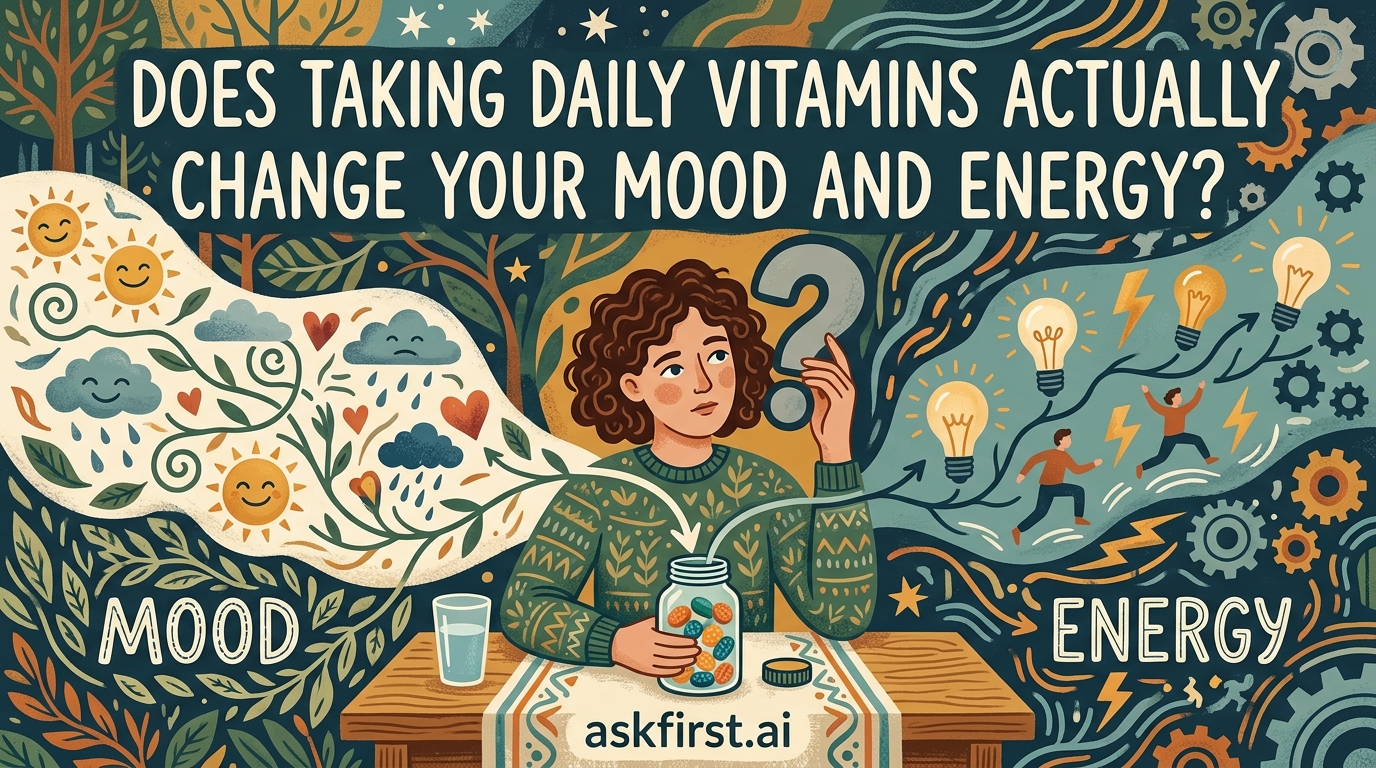
The Truth About Daily Vitamins: Mood, Energy, and Science
For decades, the daily multivitamin has been a staple in millions of households, often marketed as the "magic pill" to unlock boundless vitality and perfect mental clarity. However, modern nutritional science suggests a more nuanced reality regarding how these supplements influence human mood and energy levels.
The Biological Reality of Nutrient Deficiencies
The fundamental premise of vitamin supplementation is to bridge the gap between inadequate dietary intake and biological requirements. When an individual suffers from a clinically diagnosed deficiency—such as low B12, Vitamin D, or magnesium—the impact on mood and energy is undeniable.
- Vitamin B12: Critical for neurological function and DNA synthesis, a B12 deficiency is frequently linked to fatigue, brain fog, and irritability. Supplementation for those with deficiency often yields a measurable improvement in cognitive alertness and mood stabilization.
- Vitamin D: Often referred to as the "sunshine vitamin," low levels are statistically correlated with lower mood states, particularly during winter months. Maintaining optimal serum levels is essential for neurotransmitter regulation.
The "Goldilocks" Principle of Supplementation
The core of the controversy lies in the difference between deficiency correction and nutritional optimization. For healthy individuals consuming a balanced, whole-food diet, the body possesses robust homeostatic mechanisms. Excess water-soluble vitamins, such as the B-complex family, are typically excreted through urine, rendering massive mega-doses essentially useless for mood enhancement. In these cases, the "energy boost" felt by consumers is often attributed to the placebo effect, where the psychological act of self-care creates a perceived improvement in well-being.
Can Vitamins Replace Lifestyle Factors?
It is vital to recognize that pills cannot compensate for chronic sleep deprivation, sedentary habits, or poor caloric intake.
- Sleep Quality: No multivitamin can replicate the restorative power of seven to nine hours of quality sleep. Fatigue is more often a result of circadian rhythm disruption than a lack of trace minerals.
- Blood Sugar Stability: Steady energy is fundamentally tied to macronutrient management—complex carbohydrates, healthy fats, and proteins—rather than micro-nutrients alone.
- Mental Well-being: While magnesium and omega-3 fatty acids have shown promise in supporting emotional resilience, they are best viewed as supportive pillars within a broader framework of physical health, mindfulness, and professional psychological support when needed.
Conclusion: Strategic Use vs. Blanket Solutions
Ultimately, daily vitamins should be viewed as a tool for health maintenance, not a direct mood-altering medication. Scientific evidence supports their use primarily for those with verified nutritional gaps, elderly populations, or those with restricted dietary patterns. Before initiating a regimen, blood panels remain the only accurate way to determine specific needs. When used strategically to address authentic biological shortfalls, vitamins can indeed act as a foundational element of sustained energy and mental clarity.