The Science of Intimacy: Why We Close Our Eyes When We Kiss
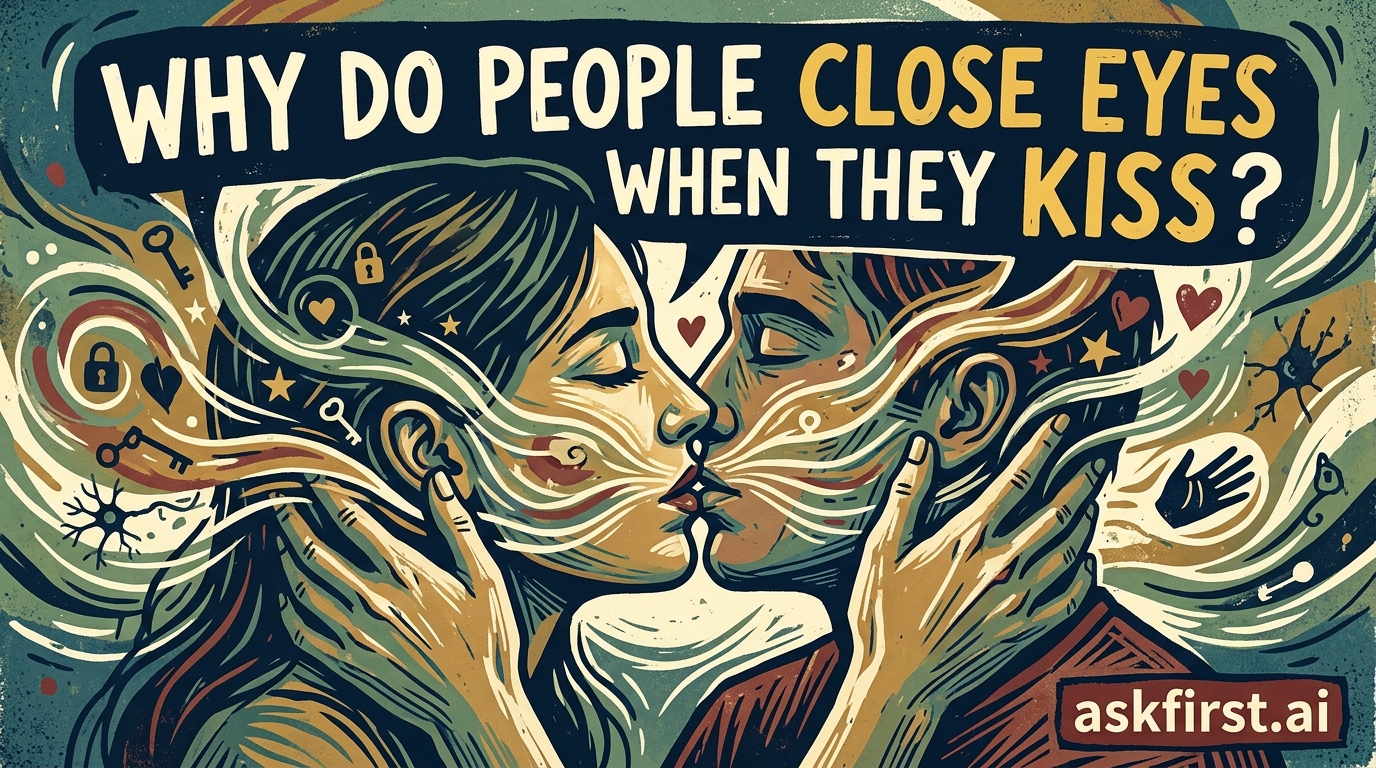
The act of closing one's eyes during a kiss is a nearly universal human behavior, spanning cultures, ages, and relationship types. While it may seem like a simple reflex, the phenomenon is rooted in complex neurological, sensory, and psychological factors. Understanding why we instinctively shut our eyes requires looking at how the human brain processes sensory input and emotional intimacy.
1. The Sensory Overload Hypothesis
The primary scientific explanation for closing one's eyes during a kiss is sensory processing limitations. The human brain is not designed to focus on multiple high-intensity sensory inputs simultaneously. When you kiss someone, your brain is bombarded with tactile sensations—the texture of lips, the warmth of breath, the pressure of a touch, and the scent of the other person.
If your eyes were open, your brain would also be forced to process visual information. Because the brain struggles to manage this influx of data, closing the eyes serves as a "sensory filter." By eliminating the visual field, the brain can redirect its processing power toward the tactile and olfactory sensations, thereby intensifying the emotional and physical experience of the moment.
2. Psychological Vulnerability and Trust
Beyond biology, there is a profound psychological component. Kissing is an act of extreme vulnerability. It involves bringing another person into your personal space—a zone usually reserved for safety.
- Trust Signaling: Closing your eyes acts as a signal of trust. By "blinding" yourself, you are demonstrating to your partner that you feel safe enough to let your guard down.
- Focusing on the Self: It allows individuals to turn their focus inward, processing their own emotional response to the kiss rather than observing the external environment.
3. The "Uncanny Valley" of Open-Eyed Kissing
Research conducted by psychologists, such as the study published in the Journal of Experimental Psychology: Human Perception and Performance, suggests that kissing with eyes open can create a sense of discomfort or "uncanny" distraction. When two people kiss with their eyes open, they are often forced to look at a blurry, distorted version of their partner’s face from an unnatural proximity. This can trigger a subconscious feeling of unease, as it breaks the "flow" of the intimate interaction.
4. Cultural and Evolutionary Perspectives
From an evolutionary standpoint, the kiss serves to assess a potential mate through pheromones and physical compatibility. Closing the eyes allows for a more focused assessment of these biological cues. Culturally, Western media and literature have reinforced the "eyes-closed kiss" as the standard for romantic perfection. This has created a social norm where keeping eyes open is often perceived as suspicious, detached, or insincere.
Pros and Cons of Closing Your Eyes
- Pros: Increased focus on sensory pleasure, enhanced emotional connection, reduction of anxiety, and alignment with social expectations.
- Cons: Loss of situational awareness (though rarely an issue in private settings) and the inability to gauge the partner's immediate visual reaction.
Conclusion: The Future of Intimacy
As we move into an era of digital intimacy and virtual reality, the "closed-eye" phenomenon remains a pillar of authentic human connection. It is the brain's way of prioritizing the soul over the sight, ensuring that the act of kissing remains a deeply felt emotional experience rather than a merely mechanical one. Whether driven by neurological constraints or the need for psychological safety, closing your eyes remains the hallmark of a genuine romantic encounter.