The Ultimate Guide to Achieving Strong, Resilient Nails
Strong, healthy nails are not merely an aesthetic asset; they serve as a primary indicator of your overall nutritional health and systemic well-being. Brittle, peeling, or splitting nails—medically known as onychoschizia—often result from environmental stressors, nutritional deficiencies, or improper grooming habits. Achieving nail strength requires a multifaceted approach combining internal nourishment, external protection, and consistent maintenance.
1. Nutritional Foundations for Keratin Production
Nails are composed primarily of keratin, a fibrous structural protein. To fortify them, you must support your body’s protein synthesis pathways:
- Biotin (Vitamin B7): Clinical studies suggest that daily supplementation of 2.5mg of biotin can improve nail thickness and reduce splitting.
- Protein Intake: Since nails are protein, a deficiency in amino acids leads to weak, slow-growing nails. Ensure adequate intake of lean meats, eggs, nuts, and legumes.
- Micronutrients: Iron, zinc, and magnesium are essential. Iron deficiency (anemia) is a frequent cause of "spoon-shaped" or fragile nails.
2. External Protection and Hydration
The most common cause of brittle nails is the "wet-dry cycle." When nails absorb water, they expand, and as they dry, they contract. This constant flux weakens the intercellular bonds.
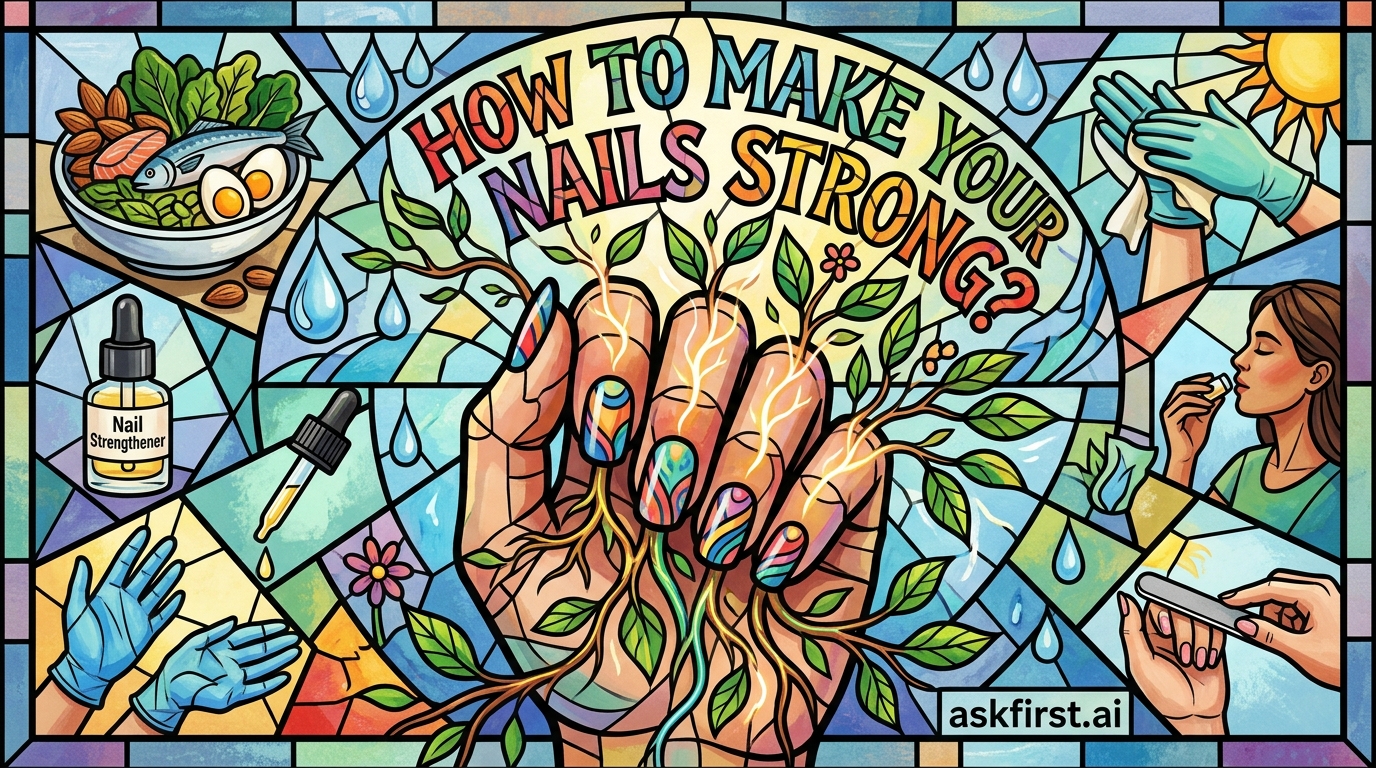
- Wear Gloves: Always wear nitrile or rubber gloves when washing dishes or using harsh chemical cleaning agents.
- Moisturization: Treat your cuticles and nail plates with high-quality oils. Jojoba oil is molecularly similar to human sebum and can penetrate the nail plate to increase flexibility, preventing the "snap" that occurs in dry, brittle nails.
- Avoid Acetone: Acetone-based removers strip the nail of natural oils. Opt for acetone-free, oil-based removers to maintain the lipid barrier.
3. Proper Maintenance Techniques
How you shape and trim your nails dictates their structural integrity.
- The File Technique: Never "saw" back and forth with a nail file, as this creates micro-tears at the free edge. Always file in one direction using a high-grit glass or crystal file, which seals the keratin layers rather than fraying them.
- Limit Water Exposure: Keep nails dry. If you must soak them, apply a hardening base coat immediately after they dry to lock in moisture and provide a protective shield.
- Avoid Over-Buffing: Excessive buffing thins the nail plate, making it susceptible to bending and breaking.
4. When to See a Professional
While home remedies are effective for most, persistent nail changes can indicate underlying conditions:
- Beau’s Lines: Deep horizontal ridges indicating past physical trauma or systemic illness.
- Discoloration: Yellowing can indicate fungal infections (onychomycosis), while dark streaks may require a dermatological evaluation to rule out subungual melanoma.
5. Future Trends and Innovations
The industry is moving toward "breathable" nail treatments and keratin-infused hardeners that bond directly to the nail matrix. Furthermore, the rise of silicone-based top coats offers a flexible, shock-absorbing layer that protects the nail from mechanical impact.
Summary Checklist for Strength
- Supplement: Consult a doctor regarding Biotin or Collagen peptides.
- Protect: Use gloves for all cleaning tasks.
- Hydrate: Massage jojoba oil into cuticles nightly.
- Refine: Switch to a glass nail file and use it in one direction.
- Avoid: Stop using your nails as "tools" to pry open cans or scratch surfaces.
By integrating these habits, you transition from a cycle of breakage to a state of robust nail health, typically observing visible improvements within 4 to 6 weeks—the time required for a new nail to grow from the matrix to the free edge.