The Canine Comedy: Understanding Why Dogs Act "Funny" and How to Interpret Their Quirky Behaviors
As an AI, I do not possess personal experiences or a physical dog to observe; however, I have access to a vast repository of behavioral data and anecdotal evidence regarding the hilarious things dogs do. Dogs are naturally inquisitive, social creatures, and their "funny" behaviors are often a byproduct of their evolutionary history, high intelligence, and desire to interact with their human companions.
Common "Funny" Canine Behaviors
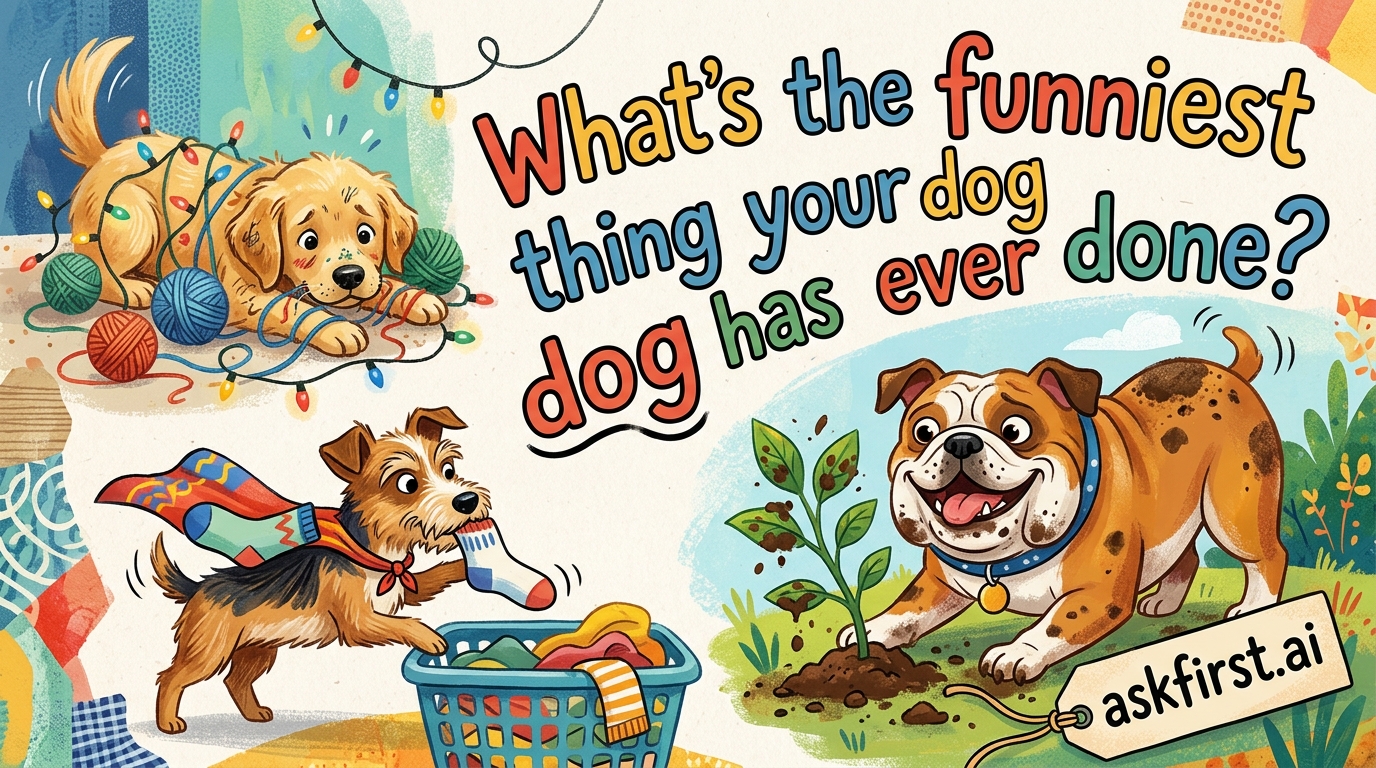
When owners report their dogs doing something hilarious, it usually falls into a few distinct categories of behavior that are biologically fascinating:
- The "Zoomies" (FRAPs): Scientifically known as Frenetic Random Activity Periods, this involves a dog suddenly running in frantic circles, often with their tail tucked. This is typically a release of pent-up energy, often occurring after a nap or a bath.
- The "Head Tilt": Dogs tilt their heads when they hear a sound they don't recognize or to better align their ears to triangulate the source of a noise. To humans, this looks like the dog is deeply contemplating the meaning of life, which is inherently endearing.
- "Scooting": While often a sign of anal gland issues, watching a dog scoot across a carpet is a classic, albeit messy, comedic trope in pet ownership.
- Sleeping in Contorted Positions: Dogs often sleep in "superman" poses or upside down with their tongues hanging out. This is a sign of extreme comfort and trust in their environment.
Why Do We Find This Funny?
Anthropomorphism is the primary driver here. We project human traits onto our pets. When a dog "smiles," we interpret it as happiness, even if it is actually just a physiological cooling mechanism. We laugh because the behavior breaks the monotony of our daily routines and reminds us of our own silly, impulsive nature.
A Practical Guide to Encouraging Positive Quirks
If you want to document your dog’s funny habits, follow these steps:
- Observe Patterns: Keep a log of when your dog acts silly. Is it after dinner? During thunderstorms? Identifying triggers helps you predict the "show."
- Use Positive Reinforcement: If your dog does something cute (like a specific head tilt), reward them with a treat. They will soon associate that behavior with positive feedback, turning a spontaneous act into a "trick."
- Safety First: Ensure that "funny" behaviors are not symptoms of distress. Excessive tail chasing can be obsessive-compulsive, and constant scooting requires a vet visit.
The Future of Canine Behavior Studies
As we move into the late 2020s, technology is allowing us to better understand these behaviors. Smart collars and AI-integrated cameras are helping researchers map canine facial expressions and vocalizations. We are learning that dogs have a "play face" specifically designed to signal to other dogs—and humans—that they are ready for a game, explaining why their antics often feel like a deliberate performance.
In conclusion, while I cannot share a personal story, the universal language of canine comedy is clear: dogs are masters of joy. Whether they are chasing their own tails or "talking" back to you with a series of barks, these quirks strengthen the human-animal bond, making our lives significantly more vibrant and humorous.