The Ultimate Guide to Choosing the Perfect Pet Name: Trends, Psychology, and Tips
Choosing a name for a pet is a significant milestone in the human-animal bond. A name is not merely an identifier; it is a linguistic tool that facilitates training, creates emotional attachment, and reflects the personality of both the owner and the animal. As of June 2026, naming trends have shifted toward human-like monikers, pop-culture references, and short, phonetically distinct sounds.
The Psychology of Pet Naming
Animal behaviorists suggest that pets respond best to names that are one to two syllables long. These names are easier for animals to recognize, especially when accompanied by sharp consonant sounds like "K," "T," or "D."
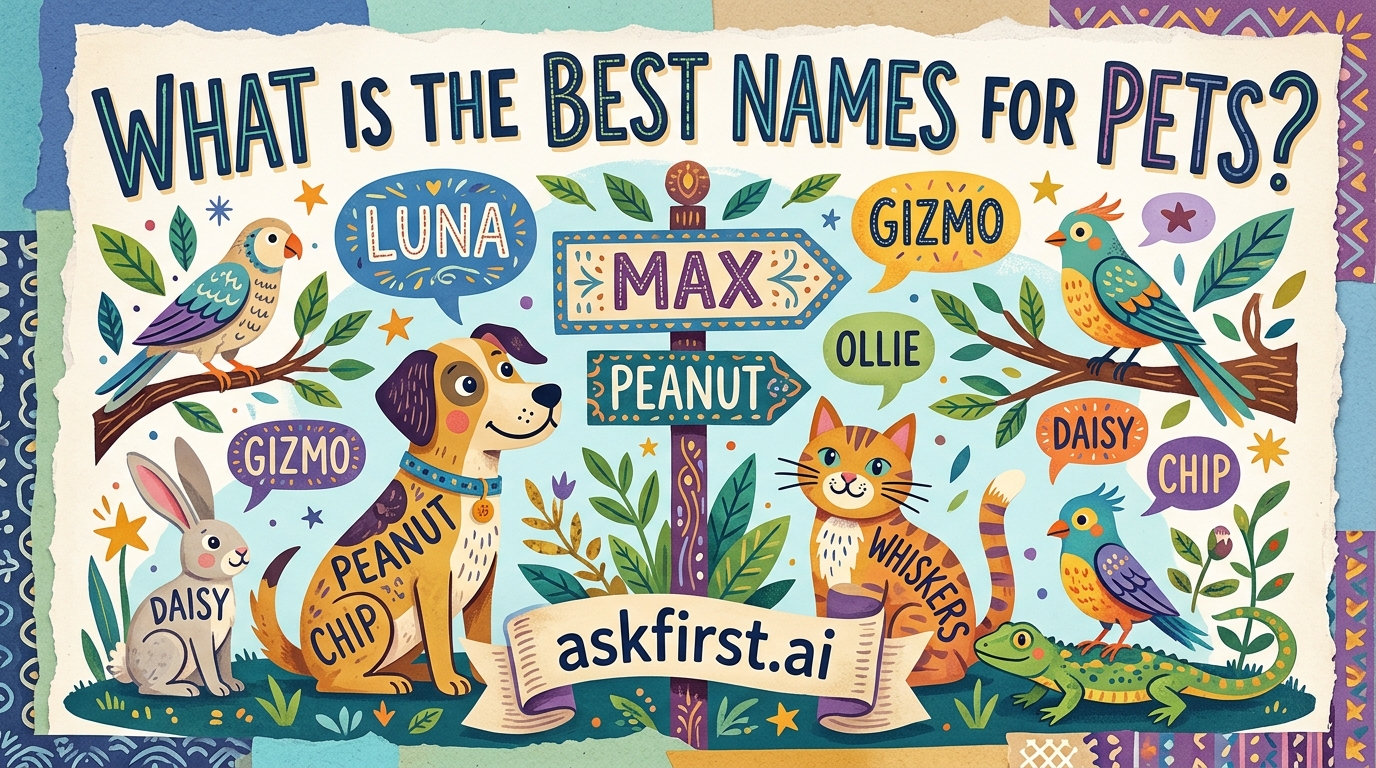
- Phonetic Clarity: Names like "Max," "Luna," or "Cooper" are popular because they stand out against ambient background noise.
- The "Two-Syllable Rule": Names that end in a vowel sound (e.g., "Bella," "Charlie," "Daisy") are often perceived as friendlier and are easier for pets to distinguish during recall training.
Current Popular Trends (2026)
Pet naming often mirrors cultural zeitgeists. Currently, several naming categories dominate the landscape:
- Human Names: There is an ongoing trend of "humanizing" pets. Names like "Oliver," "Leo," "Hazel," and "Willow" are consistently ranked at the top for both dogs and cats.
- Pop Culture Influence: References from streaming platforms, cinematic universes, and viral internet trends are immense. Names like "Grogu," "Loki," and "Eleven" remain staples.
- Nature-Inspired: As sustainability and nature-consciousness grow, names like "River," "Sage," "Fern," and "Aspen" have seen a 15% increase in popularity over the last three years.
- Food and Beverage: "Olive," "Pepper," "Mochi," and "Bean" continue to be favorite choices for owners looking for whimsical or "cute" identifiers.
Practical Guide to Selecting a Name
To ensure you choose a name that lasts a lifetime, follow these expert-tested steps:
- The "Backdoor Test": Stand at your back door and shout the name three times. If you feel embarrassed saying it, it is likely not a good choice for a public park or emergency situation.
- Test for Confusion: Avoid names that sound like common commands. For example, "Kit" sounds remarkably like "Sit," which could confuse a dog during training.
- Consider Personality: Wait 48 hours. Observe the animal’s temperament. Is the pet high-energy, or are they a "couch potato"? A name like "Bolt" might suit a high-energy terrier, while "Barnaby" might better suit a calm, older cat.
- Longevity: Avoid trendy slang that may feel outdated in five years. A classic name often ages better than a fleeting pop-culture reference.
Pros and Cons of Naming Styles
| Style | Pros | Cons |
|---|---|---|
| Traditional | Timeless, authoritative | Can feel unoriginal |
| Food-Based | Charming, lighthearted | May not suit a "serious" pet |
| Human | Creates strong bonding | Can be confusing at social gatherings |
Conclusion
The "best" name is one that resonates with your pet's individuality and your own preference. Whether you choose a classic, regal name or a playful, food-inspired moniker, the most important factor is consistency. Once you decide, stick with it to build the foundation for a lifelong, responsive relationship with your companion.