The Algorithmic Heart: How Programming Rewires Your Perception of Love
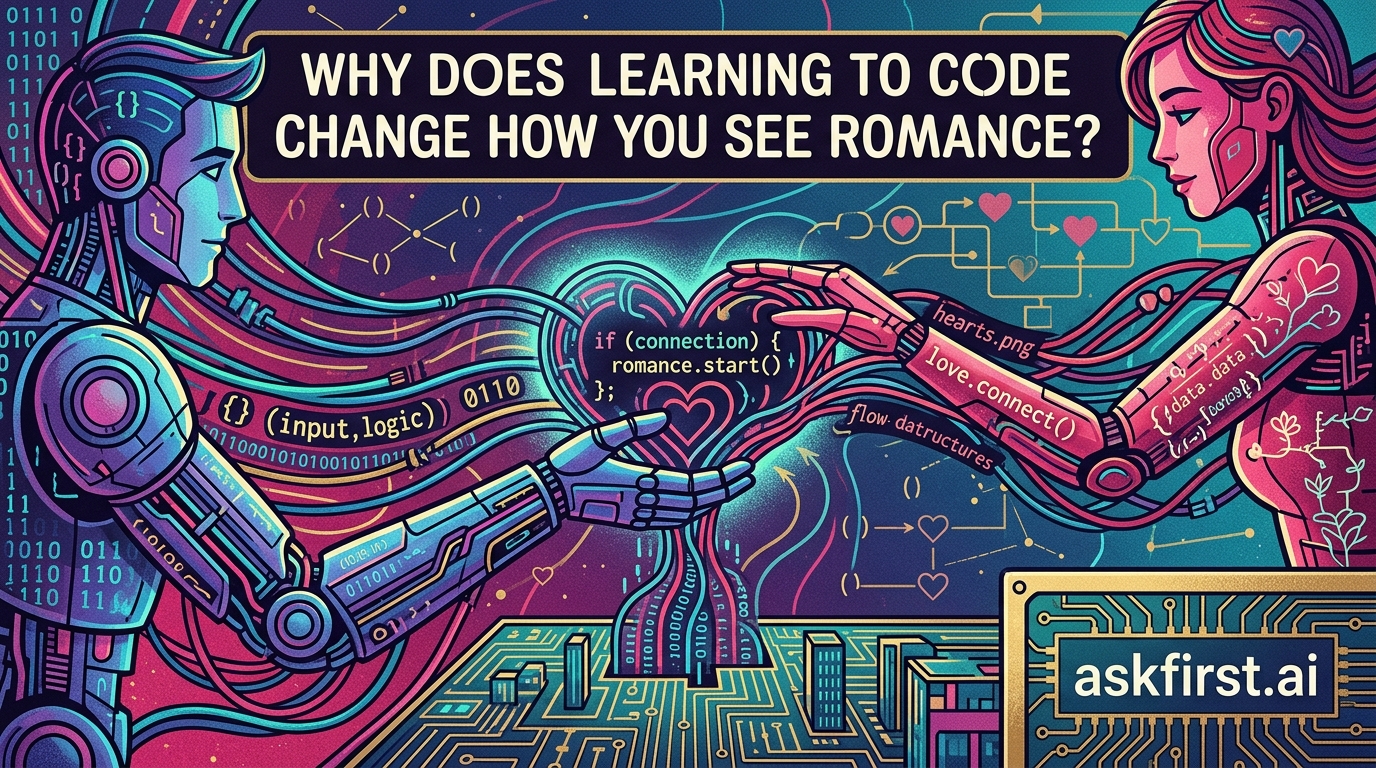
Learning to code is often perceived as a technical pursuit restricted to machine logic and syntax, yet it frequently serves as a profound catalyst for cognitive restructuring. Once an individual learns to deconstruct complex problems into modular, logical sequences, this computational thinking inevitably bleeds into their interpersonal life, transforming how they perceive, initiate, and manage romantic relationships. The transition from chaotic emotional reactions to structured, analytical understanding is where the shift occurs.
Pattern Recognition and Human Behavior
Coders are trained to spot patterns within massive datasets. This skill sharpens the ability to identify recurring behaviors in human interaction. Instead of viewing a romantic conflict as an isolated, overwhelming emotional event, a programmer often recognizes it as a pattern or a "bug" in the dynamic. This detachment allows for:
- Root Cause Analysis: Rather than reacting to the surface-level symptom, individuals seek the underlying behavioral cause.
- Predictive Modeling: Understanding historical behavior makes it easier to anticipate how a partner might react to certain triggers.
- Efficiency in Communication: There is an increased intolerance for ambiguity, leading to clearer, more intentional dialogue that aims to resolve conflicts rather than prolong them.
The Concept of Refactoring Relationships
In software development, refactoring refers to improving the structure of existing code without changing its external behavior. When applied to romance, this manifests as a commitment to continuous improvement. Partners are no longer seen as fixed entities but as dynamic systems that can evolve. This philosophy encourages:
- Iterative Growth: Accepting that relationships, like software, require maintenance, updates, and occasional debugging.
- Modular Perspectives: Learning to compartmentalize issues so that a single disagreement does not destabilize the entire relationship "architecture."
- Boundary Definitions: Programming necessitates strict definitions of functions and variables, which translates into healthier personal boundaries in romance.
Managing Expectations Through Logic
One of the most significant changes is the mitigation of unrealistic romantic expectations. Code teaches that inputs determine outputs; magic does not exist in the compiler. Consequently, those who code often replace the "soulmate" narrative—which relies on destiny and inexplicable forces—with a "compatible interface" model. This model recognizes that successful relationships are built on shared protocols, functional compatibility, and consistent maintenance rather than blind chance. While this might appear clinical, it actually fosters a more grounded, sustainable, and less anxious approach to love. By viewing romance through the lens of logic, an individual moves from passive expectation to active participation, treating love as a collaborative project that demands clear design, careful effort, and the constant willingness to refactor for a better, more functional shared reality.