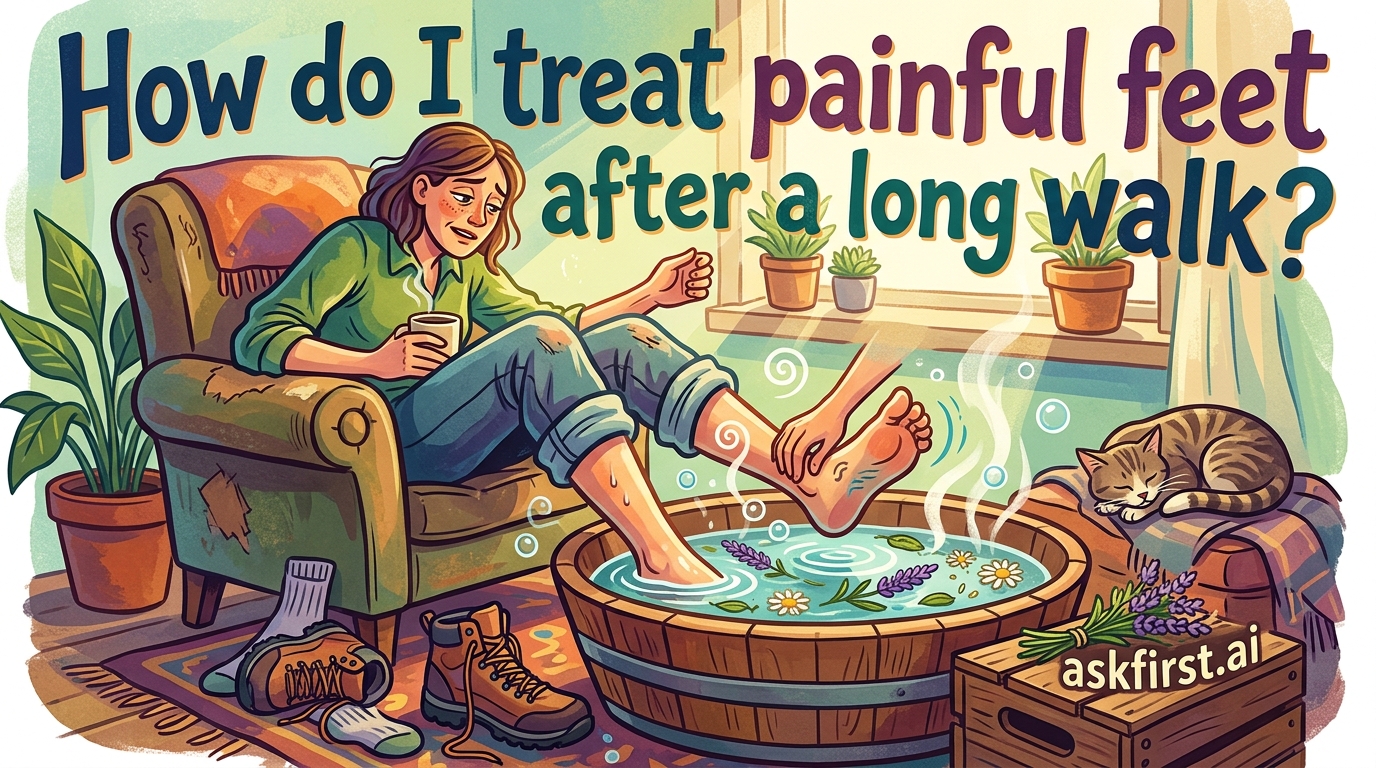
Comprehensive Guide to Relieving Foot Pain After Long-Distance Walking
Foot pain following prolonged exertion is a common physiological response to repetitive impact, friction, and gravity-induced swelling. Whether you are an urban explorer, a hiker, or a fitness enthusiast, understanding how to manage post-walk recovery is essential for preventing long-term injury and maintaining mobility.
Immediate Recovery Protocols
When you return from a long walk, your body is in a state of inflammation. Immediate intervention can significantly reduce downtime.
- Elevation and Rest: The most effective way to combat edema (swelling) is to elevate your feet above the level of your heart. Use pillows to prop your feet up for 20 to 30 minutes. This utilizes gravity to help drain fluid that has pooled in the lower extremities.
- Contrast Hydrotherapy: This technique involves alternating between cold and warm water. Start with a 5-minute soak in cold water (or use an ice pack) to constrict blood vessels and reduce inflammation. Follow this with a 5-minute warm soak to promote circulation and relax tense muscles.
- Myofascial Release: Use a tennis ball, lacrosse ball, or a frozen water bottle. Place it under the arch of your foot and roll it back and forth with firm pressure. This breaks up adhesions in the plantar fascia and provides immediate relief to tired arches.
Targeted Stretching and Muscle Care
After the initial inflammation subsides, focus on lengthening the muscles that have been under constant tension.
- Calf Stretches: Tight calves often pull on the Achilles tendon, which translates pain to the heel. Perform a standard wall stretch: step one foot back, keep the heel on the ground, and lean forward.
- Toe Extensions: Gently pull your toes upward toward your shin to stretch the bottom of the foot.
- Ankle Rotations: Slowly rotate your ankles in circular motions to improve blood flow and joint mobility.
Prevention and Long-Term Maintenance
To minimize pain in future outings, you must address the root causes of foot fatigue.
- Footwear Selection: Ensure your shoes have adequate arch support and a cushioned midsole. Over time, the EVA foam in sneakers compresses; if your shoes are older than 400 miles, they are likely providing insufficient shock absorption.
- Sock Technology: Choose moisture-wicking synthetic or merino wool blends. Cotton socks hold sweat, increasing friction and the likelihood of blisters.
- Gradual Conditioning: If you are increasing your mileage, do so by no more than 10% per week to allow your bones and tendons to adapt to the increased stress.
When to Seek Medical Attention
While most foot pain is muscular, persistent pain can indicate more serious conditions. Consult a podiatrist if you experience:
- Numbness or tingling (potential nerve impingement).
- Sharp, stabbing pain in the heel upon your first steps in the morning (potential plantar fasciitis).
- Visible bruising or swelling that does not subside after 48 hours.
By implementing these recovery strategies—elevation, targeted massage, and proper gear maintenance—you can ensure your feet remain resilient, healthy, and ready for your next long-distance adventure. Prioritize listening to your body’s signals; rest is not a sign of weakness, but a critical component of athletic longevity.